
Lawn
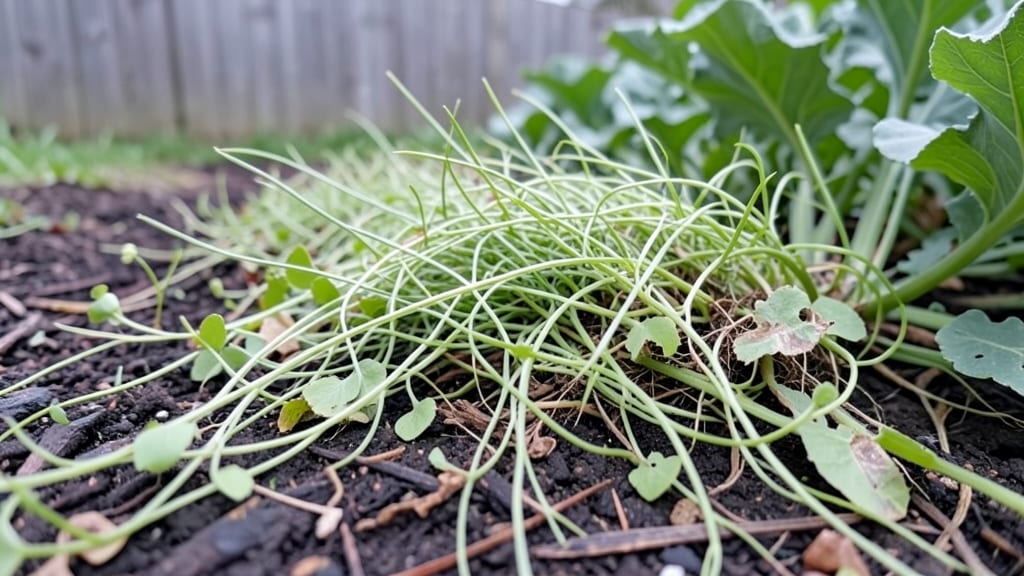
Grass runners weed spreads like a thief in the night—creeping across lawns, smothering flowers, and turning your yard into a tangled mess. I’ve spent years wrestling with these fast-growing invaders, and the key to stopping them isn’t brute force but smart timing and targeted attacks.
The moment you spot those thin, wiry stems snaking through your garden, you’ve got a race against the clock before they take over completely.
These weeds thrive in sunny spots where grass struggles—think lawn edges, under shrubs, or along fences. The good news? They’re shallow-rooted and hate competition, so manual removal, vinegar sprays, or even a thick layer of mulch can starve them out.
I’ve seen stubborn patches vanish within two weeks of consistent effort, but only if you hit them at the right stage. Skimp on the follow-up, and they’ll bounce back like weeds on a mission.
Your yard can go from overrun to reclaimed faster than you think. Picture this: no more pulling stubborn stems by hand every weekend. Instead, you’re walking across clean grass, with just a few strategic treatments keeping those runners at bay.
The secret lies in combining quick knockdown methods with long-term prevention—like smothering bare soil or planting dense ground covers they can’t outcompete.
Whether you’re dealing with a small border or a full lawn takeover, the same principles apply. The fastest wins come from acting early, staying consistent, and choosing the right tools for your yard’s personality. Let’s get those runners out for good—without sacrificing your sanity or the planet.
Why it happens
Grass runners—those aggressive, sprawling weeds like crabgrass, nutsedge, or creeping bentgrass—don’t just appear overnight. Their relentless spread is the result of a mix of biological traits, environmental factors, and even human habits.
Understanding the root causes (literally!) helps you strategize a more effective eradication plan. Here’s why these weeds take over so quickly.
🌱 Rapid Seed Germination & High Reproduction Rates
Many grass runners are prolific seed producers, releasing thousands of seeds per plant in a single season. For example:
- Crabgrass can drop 150–500 seeds per square foot in ideal conditions.
- Nutsedge (often mistaken for grass) produces 300–1,000 nutlets (seeds) per plant and can regenerate from underground tubers.
- Creeping bentgrass spreads via rhizomes (underground stems), each node capable of growing into a new plant.
These weeds exploit bare soil—whether from thin lawns, construction, or foot traffic—where competition is low. A single overlooked patch can explode into a full-blown infestation within weeks. Pro tip: Mow high (3–4 inches) to shade out sunlight and suppress seed germination. 🌡️
🌊 Weak Lawn Competition & Poor Soil Health
Grass runners thrive where your desirable grass is struggling. Key triggers include:
- Thin or sparse turf: Gaps larger than 1 inch create perfect entry points for weeds.
- Compacted soil: Heavy foot traffic or machinery smashes soil particles, reducing oxygen and root growth for grass.
- Nutrient deficiencies: Low nitrogen (<3% soil content) or imbalanced pH (below 6.0) weakens grass, making it easier for weeds to dominate.
- Drought stress: Grass runners often outcompete drought-sensitive turfgrasses like Kentucky bluegrass.
Weeds like creeping charlie (a grass runner) release allelopathic chemicals that inhibit nearby grass growth, further tilting the balance. Actionable fix: Conduct a soil test and overseed bare spots with perennial ryegrass or fine fescue for dense competition. ✨
🌡️ Ideal Growing Conditions
Grass runners are opportunistic but prefer specific conditions:
| Factor | Weed Preference | How to Counter |
|---|---|---|
| Sunlight | Full sun (6+ hours/day) | Thicken grass with shade-tolerant species (e.g., tall fescue) in shady areas. |
| Moisture | Moderate to wet soil (e.g., nutsedge loves damp spots) | Improve drainage with sand or gypsum; avoid overwatering. |
| Temperature | Warm-season weeds (e.g., crabgrass) germinate at 55–65°F; cool-season runners (e.g., bentgrass) thrive below 75°F. | Apply pre-emergent herbicides 4–6 weeks before peak germination. |
Even a single patch in a moist, sunny spot can become a hub for spread via stolons (above-ground runners) or rhizomes. Watch for: Yellowing grass in circles (rhizome spread) or thin patches expanding outward (stolon creep). 🎯
👨🌾 Human Habits That Accelerate Spread
Sometimes, the problem isn’t the weed—it’s how we manage (or ignore) our lawns. Common mistakes include:
- Lazy mowing: Cutting grass too short (<2 inches) stresses roots and invites weeds.
- Ignoring thatch buildup: A thatch layer >0.5 inches blocks water/fertilizer, weakening grass.
- Over-fertilizing with weed-and-feed: Fast-release nitrogen can burn grass, creating gaps for runners.
- Using contaminated tools: Mowers or rakes spread weed seeds/clippings to new areas.
Quick fix: Sharpen mower blades (dull blades tear grass, inviting disease) and clean equipment with a bleach solution (1 part bleach to 9 parts water) between yards. 🔪
How to Fix Overrun Lawns Naturally
Tackling grass runners weed (like creeping charlie, crabgrass, or dollarweed) requires a mix of immediate action and long-term prevention. Below are targeted solutions based on the root causes—whether it’s poor soil health, aggressive spread, or environmental stress—plus practical steps to keep your lawn lush and weed-free.
🔥 Fix Weak Soil & Starve Out Weeds
If weeds thrive because your lawn lacks nutrients, rebuilding soil health is key. Weak grass invites invaders—so fortify your lawn’s defenses first.
🌱 Step 1: Test and Amend Your Soil
Weeds often take over when soil is compacted or nutrient-poor. Start with a simple soil test kit (available at garden centers) to check pH and nutrient levels.
- 📊 Low pH (acidic)? Add lime to raise it to 6.0–7.0.
- 💪 Nutrient-deficient? Spread a slow-release organic fertilizer (like compost or bone meal) in early spring or fall.
- 🏗️ Compacted soil? Aerate with a core aerator to let roots breathe.
🍳 Step 2: Overseed for Thick Grass
Dense grass crowds out weeds. Choose fast-growing, shade-tolerant grass seeds (like fine fescue or Kentucky bluegrass) and overseed in early fall or spring.
- 🔪 Mow high (3–4 inches) to shade out weed seeds.
- 💧 Water deeply 2–3x/week to encourage deep roots.
- ✨ Use a pre-emergent herbicide (like corn gluten meal) in early spring to block weed seeds.
🍳 Manual Removal: Hands-On Weed Control
For stubborn patches, physical removal is often the fastest fix—especially for weeds like crabgrass or clover.
👨🍳 Step 1: Pull or Dig Out Weeds
Timing matters! Remove weeds when soil is moist (after rain) for easier extraction.
- 🔥 Hand-pull small weeds (like chickweed) with gloves and a trowel.
- 🔪 Dig deeper for runners (like creeping charlie)—grab the whole root to prevent regrowth.
- 🌡️ Boiling water treatment: Pour on stubborn weeds (like dollarweed) to kill them instantly.
🚫 Step 2: Smother & Block Regrowth
Prevent weeds from sprouting again with these barriers:
- 📄 Cardboard or thick mulch: Cover bare spots with wet cardboard + mulch for 4–6 weeks.
- 🛡️ Landscape fabric: Use in high-traffic areas where weeds keep returning.
💡 Prevention Tips: Keep Weeds From Coming Back
An ounce of prevention beats a pound of cure. Here’s how to maintain a weed-resistant lawn:
🎯 Long-Term Lawn Care Habits
| Problem | Solution |
|---|---|
| Thin grass | Overseed twice a year + fertilize in fall. |
| Compacted soil | Aerate + top-dress with compost annually. |
| Weed seeds in air | Rake up fallen leaves/debris + use pre-emergent in spring. |
| Pet/foot traffic | Water deeply + use straw mulch in high-use areas. |
✨ Natural Weed Deterrents
Skip harsh chemicals and try these eco-friendly alternatives:
- 🌿 Vinegar spray: Mix 1 gallon vinegar + 1 oz dish soap; spray weeds on a sunny day (avoid desirable plants!).
- 🍅 Corn gluten meal: Sprinkle in early spring to prevent weed seeds from germinating.
- 🐝 Encourage beneficial insects: Ladybugs and ground beetles eat weed seeds—plant marigolds or clover to attract them.
Pro Tip: Consistency is key! Weeds return if you skip steps—stick to a seasonal lawn care schedule (spring cleanup, fall overseeding, winter mulching) for the best results.
Frequently asked questions
Why do grass runners weed spread so aggressively?
These weeds thrive on opportunistic growth—think of them as lawn bullies! They spread through stolons (above-ground runners) or rhizomes (underground stems), each capable of growing into new plants. Plus, they love bare soil, sunlight, and weak grass, making them nearly unstoppable once they take hold.
Is manual removal enough to get rid of grass runners weed permanently?
Manual removal works best for small patches, but it’s not a permanent fix if you don’t address the root cause. Pulling weeds without overseeding or improving soil health often leads to regrowth. Combine pulling with smothering (cardboard + mulch) or pre-emergent herbicides for lasting results.
Can I use vinegar to kill grass runners weed?
Yes! A mix of 1 gallon vinegar + 1 oz dish soap sprayed directly on weeds can kill them quickly. However, vinegar is non-selective, so avoid spraying near desirable plants. For larger areas, repeat applications on sunny days for best results.
What’s the best time of year to tackle grass runners weed?
Early spring or fall is ideal—these seasons offer mild temperatures and moist soil, making it easier to pull weeds and overseed. Avoid summer heat, as it stresses both weeds and grass. Consistency matters most, so tackle patches as soon as you spot them!
Will aerating my lawn help prevent grass runners weed?
Aerating loosens compacted soil, allowing grass roots to breathe and grow deeper. Thicker grass naturally crowds out weeds, and aeration paired with overseeding creates a dense, competitive lawn. Do this annually for best results.