
Lawn
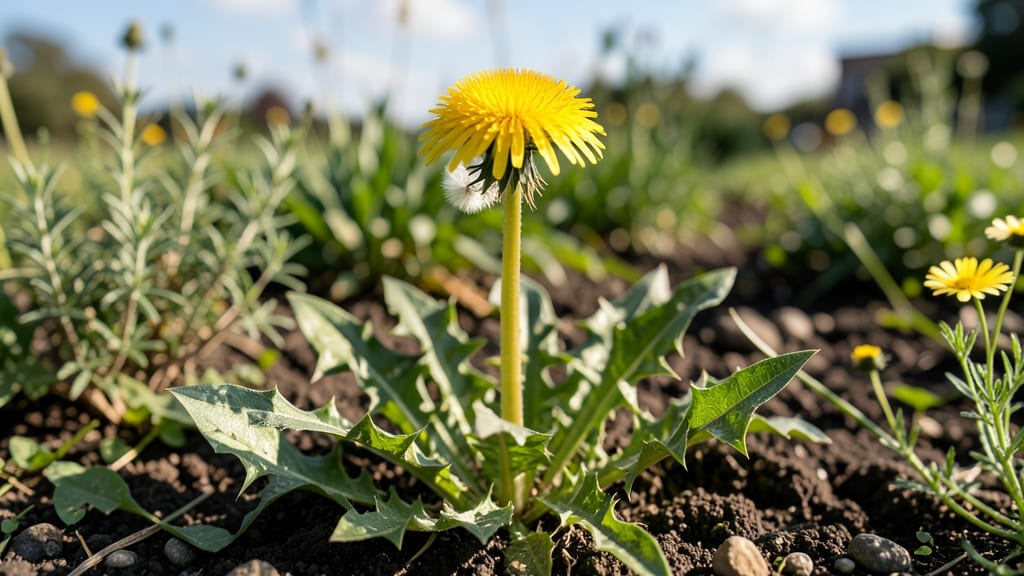
Those white puffy seeds of the dandelion lawn weed?
They’re the last stage of a plant that’s actually edible—and could transform your yard into something far more useful. 🌱 I used to see them as nothing but nuisances until I learned how to turn them into a free harvest of greens, roots, and even wine.
The key is understanding their lifecycle so you can manage them before they take over.
Dandelions thrive in compacted or nutrient-poor soil, which is why they pop up in lawns so aggressively. Their lifecycle starts with a deep root that stores energy, then shoots up into those bright yellow flowers before turning into those signature white seed puffs.
The good news? You can pull them early, use vinegar or corn gluten to stop new growth, or even let them grow intentionally for harvesting.
Once you learn to work with them instead of against them, you’ll never look at a dandelion the same way. Those puffy seeds? They’re just nature’s way of saying, "Here’s a free snack."
A handful of leaves makes a great salad, the roots can be roasted like coffee, and the flowers turn into syrup or wine. The transformation starts with a few simple steps.
If you’re tired of battling dandelions every spring, this is the year to flip the script. Whether you’re going full edible lawn or just keeping them in check, the secret is timing—pull them young, mulch heavily, or let them grow for harvest.
Either way, you’ll end up with a yard that works for you, not against you.
📚 In This Guide
- What you need
- Instructions
- Tips and common mistakes
- Wrapping up and next steps
What you need
- ● Fresh dandelion puffballs (seeds): Collect at least 1–2 cups (or more for larger batches). Harvest when fully white and fluffy—avoid yellowing or damaged seeds.
- ● Cheesecloth or fine mesh strainer: A 4–6 inch strainer (or a clean, breathable fabric) to sift seeds and remove debris.
- ● Glass jars or airtight containers: 1–2 quart-sized jars for storage (sterilized if fermenting). Mason jars work great!
- ● Basic kitchen tools: Knife or scissors (for trimming stems)
- ● Wooden spoon or spatula
- ● Measuring cups/spoons (if following recipes)
- ○ Optional ingredients (depending on recipe): Water, honey, or sugar (for syrups/wine)
- ● Lemon juice or vinegar (for preservation)
- ● Salt, herbs, or spices (for seasoning)
- ● ✅ Harvesting know-how: Pick seeds on a dry, sunny day to avoid moisture. Shake puffballs over a tray to collect seeds easily!
- ● ⚠️ Safety first: Ensure your lawn isn’t treated with pesticides/herbicides—dandelions absorb chemicals!
- ● 💡 Pro tip: Rinse seeds briefly in cold water to remove dust or debris before drying.
How to transform dandelion puffy seeds into edible delights
Turn those common lawn weeds into a sweet, nutritious harvest with just a few simple steps.
🌱 Step 1: Harvest the Puffy Seed Heads
Wait until the dandelion seed heads are fully open and white—this means they're ripe and ready for harvest. I like to do this on a dry morning when the dew has evaporated, as wet seeds are harder to collect. Use clean, sharp scissors or your hands to snip the seed heads just above the green stem.
Place the seed heads in a paper bag (not plastic) and seal it loosely. This allows air circulation while preventing seeds from scattering. Hang the bag upside down in a dry, shaded spot for 2-3 days—this lets any remaining moisture evaporate and makes the seeds easier to remove.
💧 Step 2: Remove Seeds and Clean Them
Once the seed heads are completely dry, gently rub them between your hands or use a fork to scrape out the fluffy white seeds. I find a clean white sheet of paper works best for catching the seeds—just lay the paper on a flat surface and shake the seed heads over it. The seeds will float away, while the chaff stays behind.
Discard any green or discolored seeds—they won’t be as flavorful. For extra cleanliness, spread the seeds on a baking sheet and let them dry for another 1-2 hours under indirect sunlight. This ensures they’re crisp and ready for use.
☀️ Step 3: Store or Use Immediately
Dandelion seeds have a mild, slightly sweet, nutty flavor similar to sunflower seeds. You can eat them straight from the head, sprinkle them on salads, or add them to smoothies for a nutritious boost. I like to store them in an airtight container in a cool, dark place—they’ll keep for up to 6 months if kept dry.
For a fun twist, toast the seeds in a dry skillet over low heat for 3-5 minutes, stirring constantly, until they turn golden brown. This enhances their flavor and makes them crunchier. Just watch them closely—they burn easily!
✂️ Step 4: Preserve for Long-Term Use (Optional)
If you want to save seeds for later, try making dandelion seed butter. Blend 1 cup of clean seeds with 2 tablespoons of honey or maple syrup and a pinch of salt in a food processor until smooth. Store in a sealed jar in the fridge for up to 3 months. This makes a great spread for toast or a sweetener for oatmeal.
You can also dry the seeds further by spreading them on a baking sheet at 200°F for 10 minutes. This extends their shelf life and makes them even crunchier. Just be sure to check them often—they dry out quickly!
Tips & tricks for perfect dandelion seed transformation
Here's what I've learned after turning my lawn's "weeds" into delicious treats.
Harvesting Timing: The 2-3 day drying period in Step 1 is crucial—don't rush it! If you harvest on a damp morning, the seeds won't dry properly and may clump together. I've found that hanging the bag in a shaded spot prevents any heat damage that could affect flavor. Also, harvest only when the seed heads are completely white—green or yellow heads mean the seeds aren't fully mature yet.
Cleaning Technique: For Step 2, I've discovered that using a clean white sheet of paper isn't just for catching seeds—it helps you spot any remaining green stems or debris more easily. When shaking the seed heads, do it gently over the paper to avoid creating a cloud of seeds that might escape. The 1-2 hours of additional drying under indirect sunlight is key to getting that perfect crisp texture we want.
Toasting Tips: When toasting the seeds in Step 3, keep that skillet heat on low—trust me, they burn faster than you think! I like to use a non-stick skillet so I can stir them easily without losing any. Watch for that golden brown color, which should appear around the 3-5 minute mark. If you see any seeds starting to darken too much, remove them immediately and set them aside—they'll still be edible but with a slightly bitter taste.
Storage Wisdom: The 6-month shelf life mentioned in Step 3 assumes completely dry seeds. To test if they're dry enough, rub a few seeds between your fingers—if they feel powdery, they need more drying time. Store them in an airtight container with a small packet of silica gel to absorb any lingering moisture. For the seed butter in Step 4, I've found that using a food processor with a sharp blade gives the smoothest texture without overheating the honey or maple syrup.
Pro Tips for Dandelion Lawn Weed White Puffy Seeds
- Here's what I've learned after turning my lawn's "weeds" into delicious treats.
- Harvesting Timing: The 2-3 day drying period in Step 1 is crucial—don't rush it!
- Cleaning Technique: For Step 2, I've discovered that using a clean white sheet of paper isn't just for catching seeds—it helps you spot any remaining green stems or debris more easily.
Frequently asked questions
Got questions about those white puffy dandelion seeds? You’re not alone! Here are some of the most common concerns—and their simple solutions.
Why do dandelions produce those white puffy seeds?
Those iconic white puffy seeds are actually seed heads designed for wind dispersal! Each seed has a tiny parachute (the "puff") that lets it float away, helping dandelions spread effortlessly. Nature’s built-in lawn "spreader," so to speak!
When is the best time to harvest dandelion seeds?
Harvest seeds when the puffballs are fully white and dry but haven’t yet scattered—usually late spring to early summer. Morning harvests work best since dew keeps them plump. Avoid rain to prevent mold.
Can I eat dandelion seeds, or are they just for decor?
The seeds are edible and packed with nutrients like calcium and iron. Try them raw in salads, toasted like nuts, or ground into flour. Just ensure they’re pesticide-free (organic lawns are ideal!).
How do I prevent dandelions from spreading in my lawn?
Combine manual removal (pull weeds early), vinegar spray (3% acetic acid + dish soap), and dense grass seeding to block sunlight. For organic lawns, clover or creeping thyme can outcompete dandelions naturally.
What if my dandelion seeds turn brown or moldy?
Brown seeds mean they’re overripe—harvest earlier next time! Mold? Likely from high humidity or wet storage. Dry seeds thoroughly in a paper bag (not plastic) and store in a cool, dark place. Discard any slimy or fuzzy seeds.
Are dandelion seeds invasive? Will they take over my garden?
Dandelions aren’t technically invasive—they’re perennial pioneers that thrive in disturbed soil. While they spread easily, they’re not aggressive like kudzu. With consistent care (mowing, mulching, or planting ground covers), you can keep them in check.
Wrapping up and next steps
Transforming those white puffy dandelion seeds into edible delights is easier—and more rewarding—than you think! 🌼 From savory dandelion greens to sweet honey-infused treats, you’ve got a tasty, zero-waste solution right under your nose. Why let weeds go to waste when they can become a flavorful addition to your kitchen?
Ready to take the next step? Start small—harvest a few seeds, experiment with a recipe, and share your creations with friends or family. Who knows? You might just inspire a whole neighborhood to see dandelions in a whole new light! 🌱✨