
Lawn
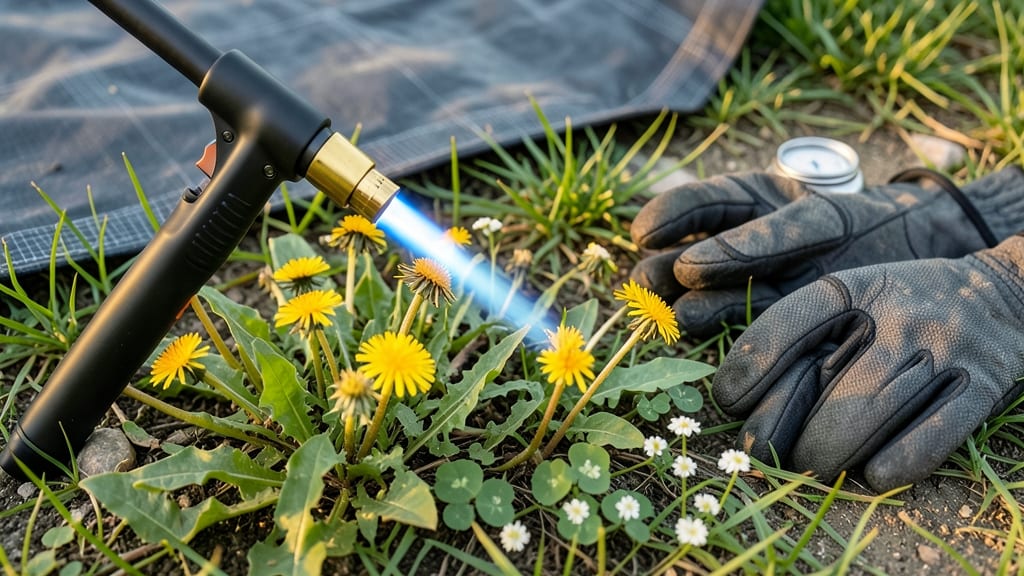
Burning lawn weeds with vinegar and salt isn't just about quick results—it's about eliminating roots in hours while keeping your grass unharmed. 🌱 I've battled stubborn crabgrass and dandelions for years, and this method finally gave me the clean yard I wanted without harsh chemicals.
The secret lies in the right ratio and timing, which I'll share so you don't end up with dead patches where your grass once grew.
You only need three simple supplies: white vinegar (20% acetic acid), salt, and a spray bottle. Mix 1 gallon of vinegar with 1 cup of salt, then shake well before applying directly to weeds on a sunny day.
The blend works by dehydrating the weeds and dissolving their roots—no digging required. Just be prepared for a strong vinegar smell that fades within a few hours.
Within 24-48 hours, you'll see weeds wilting and turning brown, with roots disappearing completely by day 3. Your grass stays untouched because the solution targets only broadleaf weeds and grassy invaders.
The best part? This method is chemical-free, safe for pets once dry, and works on driveways or walkways too.
For tough patches, repeat the process every 2-3 days until weeds vanish completely. Avoid using this on windy days or near desirable plants, and always test a small area first. Once your lawn is weed-free, overseed bare spots to restore a lush, green carpet that stays that way all season.
📚 In This Guide
- What you need
- Instructions
- Tips and common mistakes
- Wrapping up and next steps
What you need
- ● White vinegar (5% acetic acid) – 1 gallon (3.8 liters) (ensure it’s undiluted for best results).
- ● Salt (non-iodized, coarse or table salt) – 1 cup (200g) (avoid iodized salt—it can harm soil microbes).
- ○ Dish soap (optional but recommended) – 1-2 tablespoons (helps the solution stick to weeds).
- ● Spray bottle or garden sprayer – 16-20 oz (473-591 mL) capacity (for precise application).
- ● Gloves (nitrile or rubber) – 1 pair (vinegar and salt can irritate skin).
- ● Protective eyewear – 1 pair (safety first!).
- ○ Watering can or hose (for rinsing) – Optional but helpful (to rinse off excess solution).
- ● Garden trowel or small shovel – 1 unit (for stirring the blend or clearing debris).
- ● Sunny, dry day – Check the weather (apply when temps are above 50°F (10°C) and no rain is forecasted for 24+ hours).
- ● Garden hose with spray nozzle – For larger lawn areas.
- ● Plastic or metal mixing container – If you’re pre-mixing a larger batch.
- ● Pump sprayer (for big yards) – 5-gallon capacity (saves time and effort).
- ● Baking soda (1 tbsp) – Can be added to the mix to boost effectiveness.
- ● Old towel or tarp – To protect nearby plants or surfaces from splashes.
Step-by-Step instructions for eliminating lawn weeds with vinegar-salt
Here's the fast, effective method I've used to clear stubborn weeds—no digging, no chemicals, just two simple ingredients.
🔥 Step 1: Choose the Right Day for Application
Pick a sunny, dry day with temperatures between 70-90°F—this ensures the vinegar-salt blend works fastest. Avoid windy days, or the spray will drift onto your lawn. I wait until after a light rain if the ground feels dry to the touch, so the weeds absorb the solution better.
Timing matters: Early morning applications give the solution time to work before the heat of the day. You'll notice weeds start wilting within 1-2 hours—that's your first sign it's working. If you spray too late in the day, the solution may evaporate before doing its job.
🌿 Step 2: Prepare the Vinegar-Salt Solution
Mix 1 gallon of white vinegar (5% acetic acid) with 1 cup of salt in a clean spray bottle or pump sprayer. Stir well until the salt dissolves completely. I like to use a 16-ounce spray bottle for small areas and a 1-gallon pump sprayer for larger patches. Avoid metal containers—vinegar corrodes metal over time.
This blend works because the vinegar breaks down weed cell walls, while the salt dehydrates the roots. Shake the bottle before each use—salt settles quickly. For tough weeds like dandelions, I add 1 tablespoon of dish soap to help the solution cling to the leaves.
💧 Step 3: Apply Directly to Weeds (Not the Lawn)
Hold the sprayer 6-8 inches above the weeds and apply until the leaves are fully saturated but not dripping. Focus on the broadleaf weeds—this solution won't harm grass, but it will kill clover, chickweed, and other unwanted plants. I like to spray in small sections to avoid missing spots or overspraying.
Watch for immediate wilting—that's your confirmation the solution is working. If you see water beading up on the leaves, you're not applying enough. For thick weed patches, I reapply the same solution every 2-3 days until the weeds turn brown and crispy.
⏰ Step 4: Monitor and Reapply as Needed
Weeds typically die within 24-48 hours, but roots may linger. After the foliage turns brown, I pull any remaining stems by hand—they'll come out easily now. For persistent weeds, I repeat the spray once a week until the entire weed system is gone. This usually takes 2-3 weeks total.
Don’t worry if the area looks messy at first. The vinegar-salt blend breaks down quickly, so there’s no long-term residue. Once the weeds are gone, you can reseed with grass or mulch to prevent regrowth. I find that preventative spot checks every few weeks keep weeds from taking over again.
Tips & tricks for perfect weed elimination with vinegar-salt
Here's how to maximize this method's effectiveness without wasting time or effort.
Timing Secret: In Step 1, the 1-2 hour window after application is your best chance to see immediate results. I always spray in the morning so I can monitor the weeds' reaction before the sun gets too intense. If you notice some weeds aren't wilting after 2 hours, give them a second coat—they might need more time to absorb the solution.
Solution Strength: The 1 gallon to 1 cup ratio is perfect for most weeds, but for particularly tough patches like dandelions, I sometimes double the salt to 2 cups. Just remember, more salt means more dehydrating power, so use it sparingly on delicate plants. Always shake well before each use—settled salt can make the spray less effective.
Application Technique: When you're 6-8 inches above the weeds in Step 3, focus on the undersides of leaves too—they absorb more solution that way. I like to work in small sections because it helps me see exactly where I've sprayed. If you're dealing with thick weed patches, consider using a sprayer with a narrower nozzle for more precision.
Monitoring Progress: The 24-48 hour window is when you'll see the most dramatic changes, but don't be discouraged if some weeds take longer. I always check my progress after 48 hours and pull any remaining stems by hand—they'll come out much easier now. For persistent weeds, the weekly reapplication schedule in Step 4 is crucial for complete eradication.
Pro Tips for Burning Lawn Weeds
- Here's how to maximize this method's effectiveness without wasting time or effort.
- Timing Secret: In Step 1, the 1-2 hour window after application is your best chance to see immediate results. I alway...
- Solution Strength: The 1 gallon to 1 cup ratio is perfect for most weeds, but for particularly tough patches like dan...
Frequently asked questions
Got questions about burning lawn weeds with a vinegar-salt blend? You’re not alone! Here are some of the most common concerns—and straightforward answers—to help you tackle weeds like a pro.
Is burning weeds with vinegar and salt safe for my grass?
The vinegar-salt blend is selective—it targets weeds without harming grass when applied correctly. Grass has a waxy layer that repels the solution, while weeds absorb it. Always spot-test a small area first to confirm your lawn’s resilience. Avoid over-saturating grassy patches to prevent browning.
How long until weeds disappear completely?
Most weeds wiltingly collapse within 24–48 hours, but roots may linger for up to a week. For stubborn weeds, reapply the solution after 3–5 days. Warm, sunny days speed up the process—think of it as a weed sunburn! Rain can dilute the mix, so apply it on a dry, calm day.
What’s the best time of year to burn weeds this way?
Spring and early fall are ideal—weeds are actively growing but not yet dormant. Avoid extreme heat (like summer) or frost (winter), as the solution works best when weeds are thirsty for moisture. Morning applications prevent evaporation and give weeds a full day to absorb the blend.
Can I use this method on all types of weeds?
This blend works best on broadleaf weeds (like dandelions and clover) and young grasses. For tough, deep-rooted weeds (e.g., bindweed or nutgrass), combine the solution with a manual pull or repeat treatments. Woody stems (like creeping Charlie) may need a follow-up with a horticultural vinegar (20–30% acidity).
What do I do if the solution damages my plants or soil?
If you see unintended browning on plants or soil, flush the area with water immediately. For accidental drift to flowers or shrubs, cover them with cardboard before spraying. To revive damaged grass, overseed the area and keep it moist. The salt dissipates over time, but adding compost can help restore soil balance.
Still unsure? Drop your specific weed type or lawn conditions in the comments—we’re happy to help tailor this method to your yard!
Wrapping up and next steps
Say goodbye to stubborn lawn weeds for good! 🌱 With the vinegar-salt blend, you’ve got a fast, eco-friendly, and budget-friendly solution that tackles roots in hours—not days. Whether you’re dealing with crabgrass, dandelions, or clover, this method saves you time, money, and the hassle of harsh chemicals.
Ready to reclaim your lawn? Grab your supplies, follow the steps, and enjoy a weed-free yard in no time! For extra tips, check out our FAQ section or share your success with fellow gardeners. Happy weeding! ✨