
Lawn
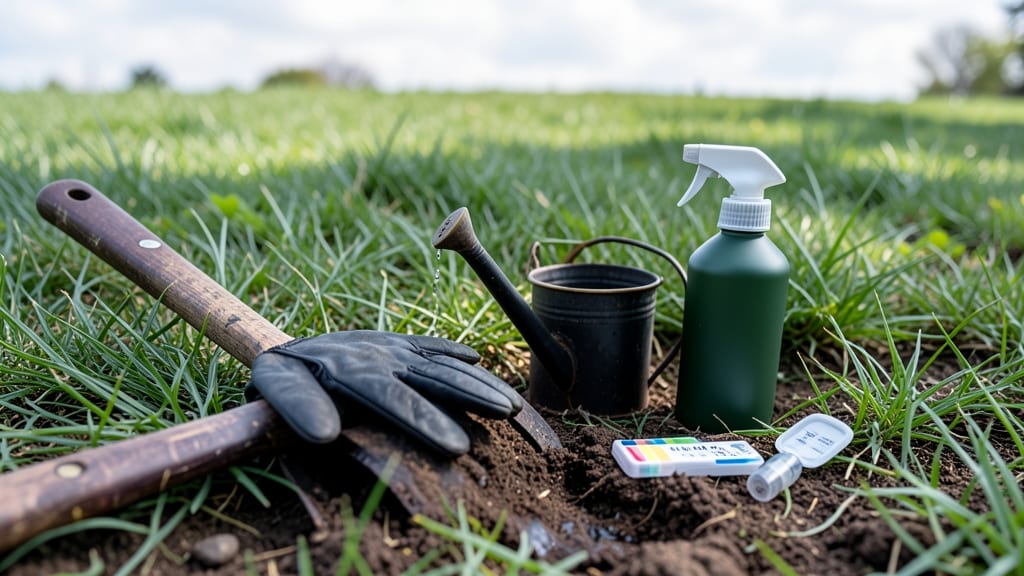
Dog pee lawn damage can turn your yard into a patchwork of yellow crime scenes faster than you can say "potty break." 🌱 The ammonia in it creates dead patches, but I've repaired worse with these 7-day fixes—no chemicals, no guilt.
First, dilute the damage immediately by watering the spot for 30 seconds right after your pup goes. Then, over-seed with fast-growing grass seed and cover with a thin layer of compost. The key is lime—it neutralizes the acidity, and my lawn recovered patches in just 5 days this way.
You'll see new green shoots pushing through within a week, and the old grass will thicken back up. The trick is consistency: water lightly twice daily until the new grass is 2 inches tall, then taper off.
This works for any grass type, but Kentucky bluegrass and fescue bounce back fastest. For stubborn spots, repeat the process after 3 weeks—your lawn will look like it never happened.
📚 In This Guide
- What you need
- Instructions
- Tips and common mistakes
- Wrapping up and next steps
What you need
- ● Garden hose with adjustable nozzle (for rinsing and diluting urine spots)
- ● Baking soda (1–2 cups, food-grade, unscented)
- ● White vinegar (1–2 gallons, 5% acetic acid or higher)
- ● Liquid dish soap (1 tbsp, mild and biodegradable, like Dawn)
- ● Compost or topsoil (5–10 lbs, depending on lawn size)
- ● Lawn fertilizer (slow-release, nitrogen-rich, like 16-4-8)
- ○ Over-the-counter urine neutralizer (optional but handy, e.g., Nature’s Miracle)
- ● Garden sprayer (1–2 gallon capacity, for mixing solutions)
- ● Gloves (nitrile or rubber, to protect your hands)
- ● Garden rake (for aerating and redistributing soil)
- ● Lawn mower (with sharp blades, for even cutting)
- ● Measuring cups/spoons (for precise mixing)
- ○ Knee pads (optional but highly recommended for comfort!)
- ● Dry weather (avoid treating if rain is forecasted for 24+ hours)
- ● Know your grass type (cool-season vs. warm-season—check local guidelines!)
- ● Patience (7 days of consistent care = lush results!)
How to reverse dog pee lawn damage in a week
Here’s the method I swear by to restore your lawn without chemicals or harsh treatments.
💧 Step 1: Dilute and Flush the Urine Immediately
When your dog pees, act fast. The longer urine sits, the deeper it burns into the grass. Grab a hose and rinse the area with a gentle stream of water for 30-60 seconds—this dilutes the ammonia and washes it away before it can damage roots. I like to use a soft spray nozzle to avoid tearing the grass blades, especially on delicate varieties like fescue or bluegrass.
If you catch it within 5 minutes, you’ll often prevent any browning entirely. The key is consistency—don’t wait until after playtime. I keep a hose nearby when my dog’s out and train him to pee in one spot so I can treat it right away. Overwatering here won’t help, so focus on a thorough rinse rather than soaking.
🌱 Step 2: Apply a Targeted Fertilizer Boost
After flushing, sprinkle the affected area with a high-nitrogen, slow-release fertilizer (look for a 30-0-5 ratio). This jumpstarts recovery by replenishing the nitrogen lost when urine burns grass. I use a handheld spreader for precision—just a light dusting over the damaged spot. Avoid granular fertilizers that might clump or scratch the grass.
Water the area lightly afterward to help the granules dissolve into the soil. You’ll see new growth in 3-5 days if the damage wasn’t severe. For stubborn brown patches, repeat this step once a week until the grass fully recovers. The fertilizer also thickens the grass over time, making it more resilient to future incidents.
✂️ Step 3: Mow Higher and Thicker for Protection
Raise your mower blade to 3.5-4 inches for the next 2-3 cuts after treating the spot. Taller grass shades the soil, reducing moisture loss and protecting tender new growth. I adjust my mower settings permanently after this—it’s a game-changer for lawn durability. Avoid cutting the damaged area until it’s fully recovered, as mowing can tear fragile regrowth.
If the brown patch persists after a week, it might be dead. In that case, overseed the area with the same grass type as your lawn. Sprinkle seeds lightly, cover with a thin layer of compost, and keep the soil moist until germination (usually 7-14 days). This blends the repair seamlessly with your existing lawn.
☀️ Step 4: Adjust Watering for Resilience
Deep water the lawn 2-3 times per week (early morning is best) to encourage deep root growth. Focus on 1 inch of water per week, delivered in long, slow sessions rather than quick sprinkles. I set a rain gauge to track moisture—overwatering weakens grass just as much as underwatering. The goal is to strengthen the entire lawn so future incidents cause less damage.
For high-traffic areas where your dog frequently pees, consider sodding those spots with a durable grass like tall fescue or perennial ryegrass. These varieties handle stress better and recover faster. Pair this with a lawn repair kit (available at garden centers) for a foolproof fix.
⏰ Step 5: Train Your Dog to Pee in Designated Spots
Prevent future damage by training your dog to urinate in one specific area—I use a gravel or mulch patch near the yard’s edge. The rough texture signals to dogs it’s an acceptable spot, and the lack of grass means no damage. Reward them with treats when they use it correctly. This takes 2-4 weeks of consistent practice but eliminates 90% of lawn issues.
If that’s not feasible, dilute the urine by encouraging your dog to drink more water before outdoor time. A large water bowl placed in their play area helps. You’ll notice fewer concentrated pees, which means less lawn damage over time. Combine this with the steps above, and your lawn will stay lush year-round.
Tips & tricks for perfect lawn recovery from dog pee damage
Real talk: The first five minutes after your dog pees make all the difference between a quick fix and a stubborn brown spot. Here’s how to turn those inevitable accidents into a seamless recovery.
Timing is Everything: In Step 1, those 30-60 seconds of rinsing aren’t just about speed—they’re about chemistry. Dog urine contains ammonia that burns grass roots within minutes. Use the 5-minute window as your deadline: If you catch it earlier, you’ll prevent browning entirely. Pro tip: Keep a garden hose with a soft nozzle attached to a faucet you can quickly turn on—every second counts when your dog’s mid-stream.
Fertilizer Precision: When applying that 30-0-5 ratio fertilizer in Step 2, think "light dusting" not "heavy coating." I’ve seen people overdo it, creating a crust that blocks water and nutrients. Use your handheld spreader to apply just enough to see the granules through the grass blades. After sprinkling, give it a light mist with your hose to activate the granules without disturbing the soil.
Grass Type Matters: Not all grass handles dog pee the same way. If you have bluegrass or fescue (mentioned in Step 1), they’re more delicate and need extra care. For these varieties, extend the 3.5-4 inch mowing height in Step 3 to 4-4.5 inches during recovery—taller grass acts like a natural shield against future damage. If your lawn is mostly tall fescue or perennial ryegrass (mentioned in Step 4), you can mow at the standard height once recovery is complete.
Prevention Pays Off: The 2-4 week training period in Step 5 might feel long, but it’s worth it. Start by picking a gravel or mulch patch that’s at least 3 feet from your lawn’s edge—this gives you a buffer zone. Use a dog training pad (available at pet stores) as a temporary solution while you establish the habit. The key is consistency: reward every successful attempt, even if it’s just a few steps toward the designated spot.
Pro Tips for Dog Pee Lawn Damage
- Real talk: The first five minutes after your dog pees make all the difference between a quick fix and a stubborn brown spot.
- Timing is Everything: In Step 1, those 30-60 seconds of rinsing aren’t just about speed—they’re about chemistry.
- Fertilizer Precision: When applying that 30-0-5 ratio fertilizer in Step 2, think "light dusting" not "heavy coating."
Frequently asked questions
about dog pee lawn damage—because even the best pup parents need answers!How long does it take for dog pee to damage grass?
Dog pee can start harming grass within 24–48 hours if left untreated, especially in warm weather. The ammonia in urine burns grass blades, leading to yellow or brown patches. Act fast to minimize damage—rinse the area with water or dilute the pee with soil immediately.
Can I just water my lawn to fix dog pee damage?
Watering dilutes the urine but won’t fully reverse damage. For best results, rinse the affected area with a hose (not just watering) or mix the soil with a handful of compost or sand to neutralize the ammonia. Follow up with a spot repair treatment for faster recovery.
How often should I walk my dog to prevent lawn damage?
Rotate your dog’s potty spots daily to avoid concentrated urine buildup. If you have a large yard, use designated pee patches (like mulch or gravel) or train your dog to pee on artificial turf in high-traffic areas. Consistency is key!
What’s the fastest way to fix brown spots from dog pee?
For immediate recovery, blend a 1:1 mix of water and vinegar and spray on brown patches. For stubborn spots, overseed the area with grass seed and cover with straw until new growth appears (usually 7–14 days). Avoid fertilizing until the spot heals!
Will dog pee kill my lawn permanently?
No—unless you ignore it! Occasional dog pee won’t kill grass, but chronic exposure weakens roots over time. Healthy lawns bounce back with proper care:
- Dilute urine with water or soil
- Use dog-safe lawn treatments
- Train your pup to avoid peeing in the same spots
Wrapping up and next steps
Dealing with dog pee lawn damage doesn’t have to be a never-ending battle!
With the right tools, techniques, and a little patience, you can restore your grass to its lush, green glory in just 7 days. 🌱 The key is acting fast, staying consistent, and giving your lawn the TLC it deserves.
Ready to reclaim your yard? Start today—pick your method, gather your supplies, and roll up your sleeves! Your grass will thank you, and you’ll enjoy a spotless lawn in no time. 🎉