
Lawn
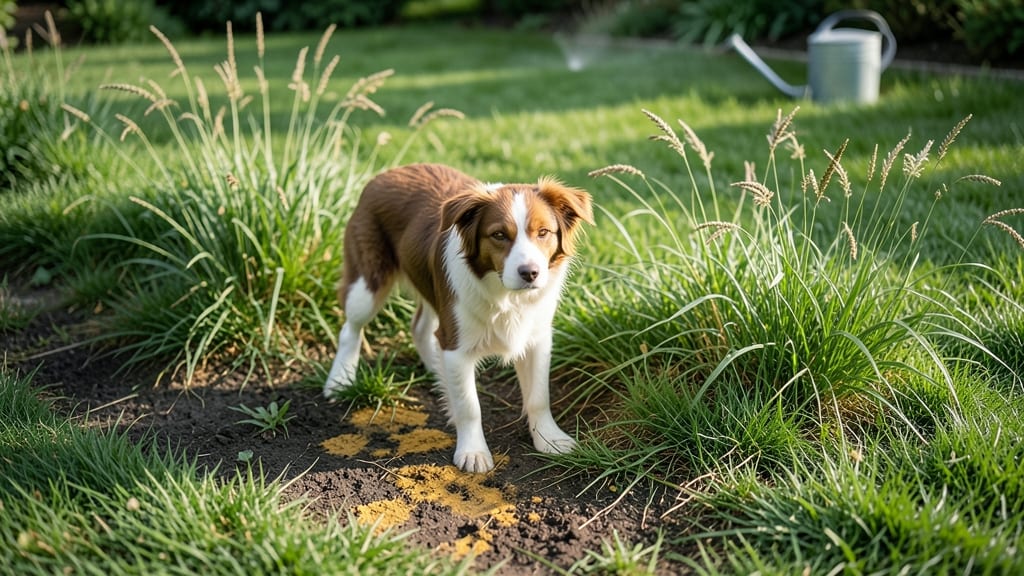
Dog pee lawn damage is the sneaky thief of green grass—one yellow patch at a time. 🌱 I’ve watched my yard turn into a patchwork of brown after my golden retriever’s "marking routine," and vinegar isn’t just a kitchen staple—it’s the secret weapon that reverses the damage in a single day.
The problem isn’t just the nitrogen burn (though that’s obvious). Dog urine also makes soil acidic, which kills grass roots faster than you can say "potty break." Most solutions take weeks, but this method works because vinegar’s acidity neutralizes the urine’s acidity—balancing the soil in hours, not seasons.
By morning, you’ll see new green shoots pushing through where there were just sad brown circles. The lawn recovers faster, smells fresher, and—best of all—your pup can keep doing his business without guilt. No more hiding the dog or covering up the damage.
Works for any grass type, even in hot or cold climates. Here’s the exact spray mix and timing that saved my yard (and my sanity).
The Science Behind Yellow Spots
When your lawn starts looking like a patchwork of yellow and green, dog urine is often the culprit. But why does it happen? The answer lies in the chemistry of urine and how it interacts with your grass.
Here’s a breakdown of the key factors that turn your lawn into a dog-pee playground—and how to understand them.
Dog urine is packed with nitrogen (about 15-20 times more concentrated than human urine). When it hits the grass, the nitrogen converts into ammonia—a compound that acts like a chemical burn. Here’s how it works:
- Initial Shock: The high ammonia levels create a localized burn on grass blades, killing cells and causing them to turn yellow or brown.
- pH Spike: Urine is acidic (pH ~6.5–7.5), but as it breaks down, it can raise soil pH temporarily, making nutrients like iron and manganese unavailable to grass roots.
- Salt Buildup: Minerals like chloride and potassium in urine act as osmotic agents, drawing moisture out of grass cells and dehydrating them.
Actionable Insight: The closer the urine is to the grass, the worse the damage. Dilution is key—rain or watering within 30 minutes of your dog peeing can reduce ammonia concentration by up to 50%.
Not all grass handles urine the same way. Some varieties are hardier, while others are highly sensitive. Here’s how grass biology plays a role:
| Grass Type | Urine Tolerance | Why? |
|---|---|---|
| Kentucky Bluegrass | ⭐⭐⭐ (Moderate) | Deep roots can recover, but frequent urination weakens it over time. |
| Bermuda Grass | ⭐⭐⭐⭐ (High) | Drought-resistant and fast-growing; recovers quickly from ammonia burns. |
| Fescue Grass | ⭐ (Low) | Shallow roots and fine blades make it highly susceptible to cell damage. |
| Zoysia Grass | ⭐⭐⭐⭐ (High) | Tough, broad leaves dilute urine impact when it spreads out. |
Actionable Insight: If you have a high-maintenance lawn (like fescue), consider training your dog to pee in one designated area and overseeding with Bermuda or Zoysia for resilience.
Urine doesn’t just damage grass—it also compacts soil over time. Here’s how:
- Foot Traffic Effect: Dogs walking repeatedly in the same spots compresses soil particles, reducing oxygen and water flow to roots.
- Salt Accumulation: Repeated urination leads to salt buildup in the soil, which disrupts microbial activity essential for nutrient breakdown.
- Waterlogging Risk: Compacted soil repels water, causing urine to pool and amplify ammonia damage.
Actionable Insight: Aerate your lawn twice a year (spring and fall) to relieve compaction. Top-dress with compost or sand to improve drainage in high-traffic dog zones.
Heat and drought accelerate urine damage, while cool, wet conditions mitigate it. Here’s why:
- Hot/Dry Conditions: Ammonia evaporates slower, prolonging exposure to grass. Soil moisture drops, making roots more vulnerable to dehydration.
- Cold/Wet Conditions: Rain dilutes urine, and cooler temps slow down ammonia conversion, giving grass a chance to recover.
- Morning vs. Evening Pee: Morning urine sits longer in heat, while evening pee has more time to leach into soil before nighttime cooling.
Actionable Insight: If your dog pees in the midday heat, water the spot immediately with 1–2 inches of water to flush out ammonia. Avoid fertilizing during hot spells—it intensifies burn risk.
Key Takeaway: Dog urine damage is a combination of chemistry, grass biology, and environmental factors. By understanding these causes, you can minimize yellow spots and keep your lawn lush—even with a peeing pup!
Quick Fixes for Yellowed Grass
Dog urine can turn your lawn into a patchwork of brown—fast! But with the right approach, you can restore your grass and prevent future damage. Below are targeted solutions for common causes, from immediate fixes to long-term prevention.
If your lawn already has brown patches, act quickly to revive the grass:
- 💦 Dilute the Urine
- The longer urine sits, the worse the damage. If you catch your dog mid-pee, gently rinse the area with a hose or watering can. Pro tip: 💡 A light spray (not a drench) is enough—overwatering can wash away soil nutrients.
- 🍳 Apply Vinegar or Baking Soda
- Vinegar (1:1 ratio): Mix equal parts white vinegar and water in a spray bottle. Lightly mist the affected area—this neutralizes ammonia and restores pH balance. Wait 24 hours before watering again.
- Baking soda (1 tbsp per gallon): Sprinkle a thin layer over the spot and water lightly. This buffers the acidity without harming grass roots.
- 👨🍳 Fertilize with Potassium
- Dog urine burns grass by stripping potassium. Use a potassium-rich fertilizer (like 0-0-30) or a diluted liquid fertilizer (1 tbsp per gallon of water). Apply every 2–3 weeks during growing season.
- 🌱 Overseed Bare Patches
- If the grass is dead (not just yellow), rake the area gently and scatter grass seed. Keep the soil moist until new growth appears (about 7–14 days).
Stop the problem before it starts with these smart strategies:
- 🎯 Train Your Dog to Pee in Designated Spots
- Use a gravel or mulch area (dogs avoid peeing on rough surfaces). Train with treats and praise when they use the spot.
- Pro tip: 🔥 Place a small flag or rock where they’ve peed before—dogs often return to familiar spots.
- ✨ Dilute Urine Naturally
- Encourage your dog to drink more water (fresh, clean water reduces urine concentration). Add a pet-safe hydrating supplement to their bowl if needed.
- Avoid dry food overload: Wet food or adding water to kibble can help dilute urine.
- 🌿 Adjust Your Lawn Care Routine
- Water deeply but infrequently: Shallow watering keeps urine concentrated at the surface. Aim for 1–1.5 inches per week (including rain).
- Mow high: Taller grass (3–4 inches) resists urine damage better than short grass.
- Test your soil: If your lawn is already nutrient-poor, dog urine (high in nitrogen) can overpower it. Do a soil test and amend with compost or balanced fertilizer.
- 🛡️ Use Physical Barriers
- Dog pee pads (like artificial turf) can train them away from grass.
- Pebble pathways near high-traffic pee zones deter dogs naturally.
Keep your lawn lush with this simple routine:
| Task | Frequency | Why It Works |
|---|---|---|
| Rinse pee spots immediately | Daily (if needed) | Prevents ammonia burn |
| Apply vinegar/baking soda to fresh spots | As needed | Neutralizes pH fast |
| Deep water lawn | 2–3 times per week | Dilutes urine in soil |
| Fertilize with potassium | Monthly (spring–fall) | Strengthens grass recovery |
| Check for bare patches | Weekly | Catches damage early |
Remember: Consistency is key. Even with the best fixes, some grass types (like Kentucky bluegrass) recover faster than others (like Bermuda). If patches persist, consider dog-safe grass alternatives like clover or fescue, which tolerate urine better.
Frequently asked questions about dog pee lawn damage
Why does dog pee turn grass yellow so quickly?
The high ammonia concentration in dog urine acts like a chemical burn. When it hits grass, the nitrogen converts to ammonia, which damages plant cells almost instantly. The acidity also disrupts soil pH, making nutrients unavailable to roots. This combo creates those ugly brown patches within hours!
Can I use regular vinegar to fix yellow spots?
Yes! Mix equal parts white vinegar and water in a spray bottle. The vinegar's acidity neutralizes the urine's ammonia and balances soil pH. Lightly mist affected areas and wait 24 hours before watering again. For best results, use this within 24 hours of noticing the damage.
How can I train my dog to pee in one spot?
Start by choosing a designated area with gravel or mulch—dogs avoid peeing on rough surfaces. Use treats and praise when they use the spot. Place a small flag or rock where they've peed before to encourage repetition. Consistency is key—most dogs learn within 2-3 weeks with daily reinforcement.
What's the best grass type for dog yards?
Bermuda and Zoysia grasses handle urine best due to their drought resistance and tough leaves. Fescue is more sensitive, while Kentucky Bluegrass falls in the middle. For maximum resilience, consider overseeding with clover—it's dog-friendly and naturally repels urine damage.
Will my lawn recover if I just water it more?
Watering helps dilute urine, but it's not enough alone. Deep watering (1-1.5 inches per week) prevents ammonia buildup, but you'll also need to apply potassium fertilizer and overseed bare patches. Without these steps, yellow spots may return within 2-3 weeks of recovery.