
Lawn
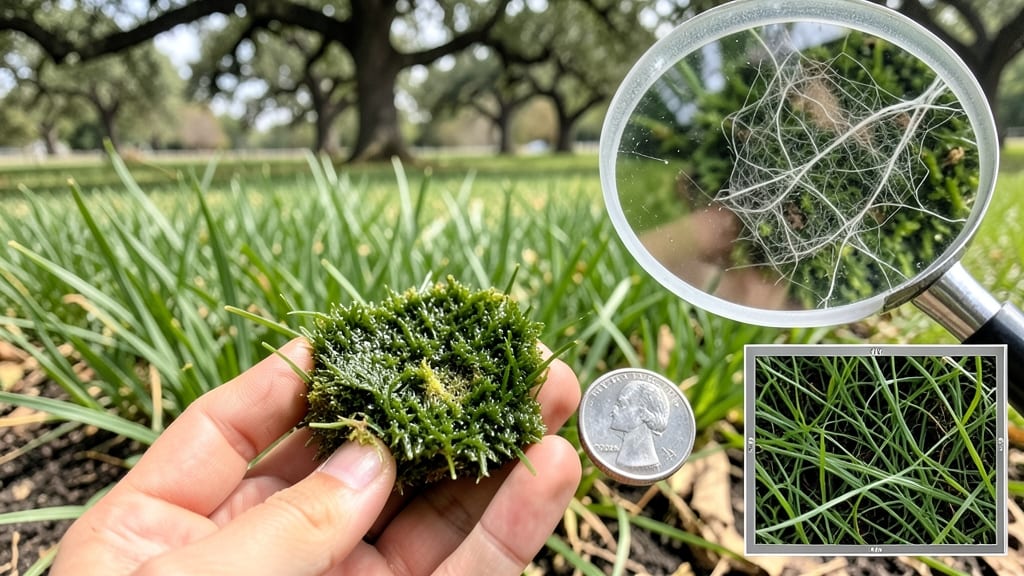
Dark green spots in your lawn that look like slick, algae-covered paint? 🌱 I’ve battled these stubborn patches for years—until I learned the difference between harmless algae and grass-killing fungus. The fix starts with understanding what’s really growing there (and it’s not your grass).
Most people assume it’s fungus, but algae thrives in shady, damp spots where grass struggles. Dollar spot fungus, on the other hand, leaves powdery white patches and weakens blades. Your first clue? Algae feels slippery when wet, while fungus feels dry and crusty.
A simple water test reveals all. The good news: you can clear algae without harming grass. Just rake up the slimy layer, adjust your mower height, and let sunlight dry the soil.
For stubborn cases, a mix of baking soda and water (1 tablespoon per gallon) works like a charm—no harsh chemicals needed. Prevention is easier than cleanup. Aerate compacted soil, water deeply but less often, and mow high to shade out future blooms.
My lawn stays spot-free now, and so can yours.
Understanding The Root Causes
Dark green spots in your lawn aren’t just an eyesore—they’re a sign that something is disrupting the natural balance of your grass ecosystem. Before you can treat them, you need to know why they’re happening.
Below, we break down the most common culprits, backed by science, so you can diagnose—and fix—the problem with confidence.
Algae thrives in moist, shaded, or nutrient-rich conditions, often outcompeting grass for sunlight and water. These dark green spots are typically slimy, moss-like patches that feel spongy underfoot. Here’s why it happens:
- Excess Water or Poor Drainage 💦 Algae loves standing water or soil that stays damp for long periods. If your lawn has low spots, compacted soil, or an irrigation system that overwatering, algae gets the perfect breeding ground.
- High Nitrogen Fertilizer 🧪 While nitrogen helps grass grow, too much (especially in slow-release forms) can fertilize algae faster than grass. Algae absorbs nitrogen 10x more efficiently than turfgrass, turning your lawn into a green, slimy mat.
- Shady or Compacted Areas 🌳 Grass struggles in shade, but algae doesn’t. It photosynthesizes at lower light levels and can dominate in thick turf or under trees. Compacted soil also traps moisture, creating ideal algae conditions.
Pro Tip: 💡 If you suspect algae, press a spot—if it leaves a green, slippery residue on your fingers, it’s likely algae. Scrape it away: if the grass underneath is yellow or dead, the algae is smothering it.
Fungi like dollar spot, brown patch, or slime mold can create dark, discolored patches that mimic algae. Unlike algae, fungi attack grass roots and blades, weakening the plant. Key triggers include:
- High Humidity & Warm Nights 🌡️ Fungal spores germinate best in temperatures between 75–85°F (24–29°C) with high humidity. If your lawn stays damp overnight (from dew, sprinklers, or shade), fungi spread rapidly.
- Poor Air Circulation 🌬️ Thick turf or dense plantings trap moisture near the soil, creating a fungal paradise. Overwatering or thatch buildup (a layer of dead grass) blocks airflow, worsening the problem.
- Weak or Stressed Grass 🌱 Grass under stress (from drought, poor soil, or disease) has lower defenses against fungi. If your lawn is thin or recovering from damage, fungi move in like vultures.
Pro Tip: ✨ Check for white or pink fungal threads on grass blades (visible with a magnifying glass) or small, water-soaked spots that expand. Fungal spots often have red or brown edges, unlike algae’s uniform green.
Insects like chinch bugs, grubs, or mole crickets feed on grass roots, creating irregular brown patches with dark green algae or moss taking over the dead spots. Here’s how pests enable the problem:
- Grub Feeding 🐜 White grubs (larvae of beetles) chew roots, killing grass in patches. The dead areas then collect moisture, inviting algae or fungi to move in.
- Chinch Bugs & Drought Stress 🔥 These pests inject toxins into grass while feeding, causing yellowing and wilting. If the lawn is already dry, the dead spots become hotspots for algae due to trapped water.
- Mole Cricket Mounds 🏗️ Their burrows disrupt soil structure, creating uneven surfaces where water pools. This localized overwatering encourages algae growth.
Pro Tip: 🔥 Dig up a small patch—if you see white grubs, wireworms, or tiny crickets, pests are the culprit. Look for chewed roots or mounds of soil as clues.
Sometimes, the issue isn’t what’s on the lawn but what’s underneath. Poor soil health can lead to patchy, dark green spots where grass struggles to grow evenly.
- Low pH (Acidic Soil) 📉 Grass prefers a pH of 6.0–7.0. If your soil is too acidic (pH < 5.5), micronutrients like iron and manganese become toxic, causing dark, stunted patches while algae thrives in the imbalance.
- Compacted or Clay Soil 🏗️ Heavy foot traffic, construction, or natural clay can crush soil particles, reducing oxygen and water flow. This stresses grass roots, leaving gaps for algae or weeds to fill.
- Nutrient Deficiencies 🧪 Lack of iron, nitrogen, or potassium can create yellowing or dark green discoloration. Meanwhile, excess phosphorus (from old fertilizer) can feed algae without helping grass.
Pro Tip: 💡 Perform a simple pH test (available at garden centers). If your soil is below 6.0, apply lime to raise pH. For compaction, aerate in fall or spring to revive roots.
Sometimes, Mother Nature herself is the villain. Dark green spots can appear due to unpredictable weather or seasonal changes:
- Heavy Rain or Flooding 🌊 Sudden downpours can drown grass roots, killing patches while leaving low areas waterlogged—perfect for algae. Poor drainage worsens this.
- Frost or Freeze Damage ❄️ Frost can kill grass blades, creating dark, waterlogged spots that algae colonizes. Evergreen grass types (like fescue) may also turn dark green under stress.
- Pollution or Runoff 🚗💨 Automotive oil, pet waste, or chemical runoff can create dark, slimy patches where grass won’t grow. These spots often have a metallic or chemical smell.
Pro Tip: 🌡️ If spots appear after unusual weather, monitor for improvement in 1–2 weeks. If they persist, test for soil toxicity (especially near driveways or sidewalks).
Fixing Dark Green Spots Fast
Dark green spots in your lawn might look like an oasis, but they’re often a sign of an underlying issue—whether it’s algae, fungus, or poor drainage. The good news?
Most problems have straightforward fixes. Below, we’ve mapped out targeted solutions for the most common causes, along with prevention tips to keep your lawn lush and healthy long-term.
Algae thrives in wet, shady, or nutrient-rich conditions. If your spots are slimy and slippery, algae is likely the culprit.
🍳 Step 1: Remove the Algae
- Vinegar spray (natural option): Mix 1 gallon of white vinegar with 1 cup of dish soap in a sprayer. Apply directly to the spots, let sit for 30 minutes, then scrub with a stiff brush.
Rinse with water. - Baking soda paste (for small areas): Combine 1 cup baking soda with 1 quart of water into a paste.
Spread over the algae, scrub, and rinse. - Commercial algae killer (stronger option): Use a copper-based algaecide (like those for pools) or a hydrogen peroxide solution (3%). Follow label instructions for safety.
👨🍳 Step 2: Improve Drainage & Sunlight
- Aerate compacted soil to help water drain faster.
Rent a core aerator or spike the area with a garden fork. - Trim overhanging trees/branches to increase sunlight exposure (algae loves shade). - Install a French drain if water pools in the same spot after rain.
💡 Prevention Tips
✅ Reduce watering frequency—algae grows in constantly moist soil. ✅ Apply a thin layer of sand (if drainage is poor) to improve soil structure. ✅ Use a pre-emergent herbicide in early spring to prevent algae spores from taking hold.
Fungal issues (like dollar spots or red thread) often appear as dark, velvety patches that may have a musty smell. Unlike algae, they thrive in humid, warm conditions.
🔪 Step 1: Fungicide Application
- Store-bought fungicides (like BioAdvanced Fungus Control or Scotts DiseaseEx) work fast. Follow package directions for coverage.
- Neem oil spray (organic option): Mix 2 tbsp neem oil + 1 tsp mild soap + 1 quart water.
Spray evenly and reapply every 7–10 days. - Baking soda spray (preventative): Combine 1 tbsp baking soda + 1 gallon water + a few drops of soap. Spray on dry grass in the morning.
⏰ Step 2: Adjust Watering & Mowing Habits
- Water deeply but less often—fungi love dampness.
Aim for 1–1.5 inches per week (including rain). - Raise your mower blade to 3–4 inches—taller grass shades out fungal spores. - Avoid watering at night—fungi spread faster in high humidity.
🎯 Prevention Tips
✅ Improve airflow by spacing plants and avoiding thick mulch layers near the lawn. ✅ Test your soil pH—fungi thrive in acidic soil (below 6.0). Adjust with lime (to raise pH) if needed. ✅ Aerate annually to reduce thatch buildup, which traps moisture.
If your lawn stays soggy for days after rain, waterlogged soil can create dark, spongy spots—often leading to algae or fungus.
🏗️ Step 1: Test & Improve Drainage
- Percolation test: Dig a 12-inch hole, fill with water, and time how long it takes to drain.
If it takes more than 4 hours, drainage is poor. - Add organic matter: Mix compost or peat moss into the top 2–3 inches of soil to improve absorption. - Install a French drain if water pools in low spots.
A gravel trench with a perforated pipe can redirect water.
🌱 Step 2: Choose Drought-Tolerant Grass
If your lawn is prone to waterlogging, consider switching to grasses like:
- Fine fescue (handles shade & moisture well)
- Kentucky bluegrass (recovering but needs good drainage)
- Buffalo grass (native, drought-resistant)
✨ Prevention Tips
✅ Grade your yard—ensure a 1% slope (1 inch drop per 10 feet) away from your house. ✅ Use sand or perlite to amend heavy clay soil. ✅ Avoid compacting soil—walk less on wet grass and use a lawn roller lightly if needed.
A thick thatch layer (dead grass + roots) can smother your lawn, leading to dark, spongy patches where water and nutrients get trapped.
🪓 Step 1: Dethatch Properly
- Manual raking: Use a thatchet (spring-tine rake) to pull up thatch.
Work in small sections. - Power rake (for thick thatch): Rent a vertical mower or power rake to slice through thatch. Do this in early spring or fall when grass is actively growing. - Top-dressing: After dethatching, spread a thin layer (¼ inch) of compost to feed the soil.
💪 Step 2: Adjust Mowing & Fertilizing
- Mow high (3–4 inches) to reduce stress on grass.
- Avoid heavy nitrogen fertilizers—they promote thatch growth. Use a slow-release, balanced fertilizer (like 16-4-8) instead.
🌡️ Prevention Tips
✅ Aerate annually to prevent thatch from thickening. ✅ Overseed thin areas in fall to encourage new growth. ✅ Limit leaf litter—rake up fallen leaves to prevent smothering.
If your dark spots persist after treatment or keep returning, it might be time to consult a local lawn care specialist. They can diagnose hidden issues like grubs, soil compaction, or underground drainage problems that DIY fixes can’t solve.
Remember: The key to a spot-free lawn is consistency. Combine one-time fixes with long-term habits (like proper watering, mowing, and soil care), and your lawn will stay green, healthy, and algae-free! 🌿💚
Frequently asked questions
Why do dark green spots feel slippery when wet?
Those slimy patches are almost always algae or moss—both thrive in damp conditions. Algae creates a natural sliminess because it produces a protective layer of mucus to retain moisture. If you press your finger into the spot and see green residue, it confirms algae. Moss feels softer but still slippery, while fungal spots usually stay dry and powdery.
Can I just mow over dark green spots to fix them?
Mowing alone won't solve the problem—it might even make it worse! If it's algae, cutting it encourages regrowth by spreading spores. For fungus, mowing can spread infected clippings. First identify the cause (algae, fungus, or poor drainage), treat the root issue, then adjust your mowing height to 3–4 inches to improve airflow and shade out future problems.
How do I tell if dark spots are algae vs. fungus?
Do the slippery test and edge check: algae feels slick when wet and has uniform green color with no distinct edges. Fungal spots often have red or brown borders, feel dry/powdery, and may smell musty. Shine a flashlight at an angle—algae reflects light differently. For fungus, look for white threads on grass blades with a magnifying glass.
Will vinegar really kill algae without harming grass?
Yes, but use it carefully! A 1:1 vinegar-water mix (plus 1 tsp dish soap) works well for small spots. Test on a hidden area first—undiluted vinegar can burn grass. For large areas, try baking soda (1 cup per gallon of water) instead. Both methods are safe when used properly, but avoid overapplying to healthy grass.
Why do dark spots keep coming back after treatment?
Persistent spots usually mean you're treating symptoms, not the cause. Check for poor drainage (water pooling), excess nitrogen (from fertilizer), or shade issues. Algae returns if moisture isn't addressed—consider aerating compacted soil or installing a French drain. For fungus, improve airflow by raising mower height and watering in the morning only.