
Lawn
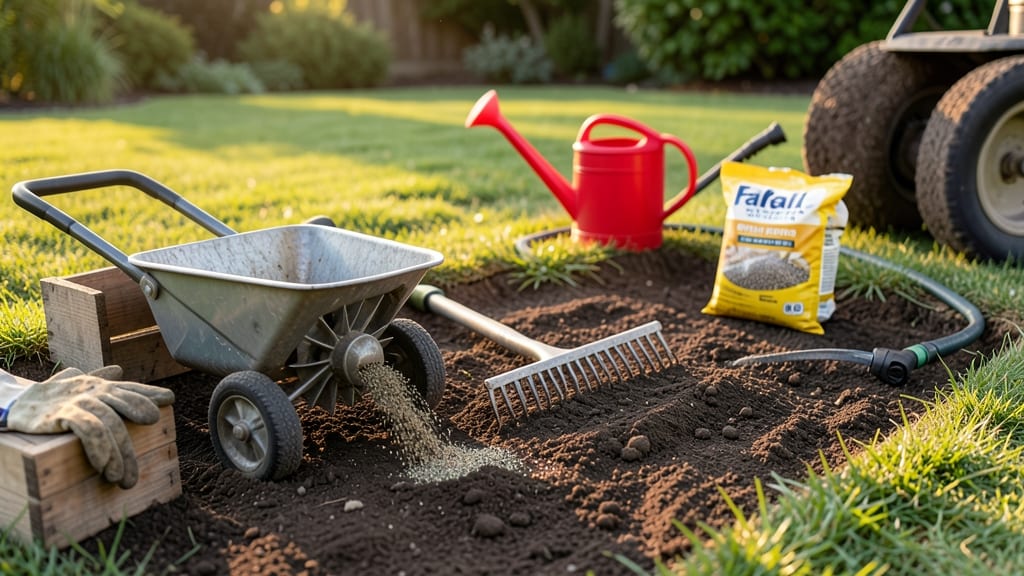
Seed a new lawn in fall when cool-season grasses take off like a rocket—30 days of perfect conditions for thick, lush growth. I’ve seeded lawns in spring, summer, and fall, and the fall lawn always wins: fewer weeds, deeper roots, and less stress on the grass. The secret lies in timing, soil prep, and a few simple tricks that make all the difference.
Start with a soil test—pH between 6.0 and 7.0 is ideal for most cool-season grasses like fescue and ryegrass. Choose seeds suited to your zone, then clear debris and level the ground before seeding.
The key? Watering lightly twice daily to keep soil moist but not soggy. Too much water drowns seeds; too little leaves them parched.
By day 30, you’ll see vibrant green blades filling in gaps, outpacing spring plantings by weeks. The grass roots grow deep before winter, so spring brings a lawn that’s already ahead of the game.
No more patchy, weedy messes—just a thick, resilient carpet that handles foot traffic and drought better than anything you’d get starting in spring.
For southern climates, aim for early fall; in the north, wait until after the first frost. Avoid seeding when rain is forecast—soil should stay damp, not waterlogged. With the right timing and care, your fall lawn will be the envy of the neighborhood by next summer.
📚 In This Guide
- What you need
- Instructions
- Tips and common mistakes
- Wrapping up and next steps
What you need
- ● Cool-season grass seed: Choose a high-quality blend like tall fescue, Kentucky bluegrass, or perennial ryegrass (10–15 lbs per 500 sq ft for thin areas, 5–8 lbs per 500 sq ft for new lawns).
- ● Lawn starter fertilizer: Look for a high-phosphorus blend (e.g., 20-0-10 or 30-0-4) to encourage root growth (apply 0.5–1 lb per 100 sq ft).
- ● Topsoil or compost: 1–2 inches of screened topsoil or compost for leveling and nutrient boost (cover entire area).
- ● Rake: A bow rake (for leveling soil) and a garden rake (for spreading seed).
- ● Broadcast spreader or hand spreader: For even seed distribution (rent or buy a drop or rotary spreader if seeding large areas).
- ● Water source & hose with adjustable nozzle: A gentle rain setting for hydration (or a sprinkler system).
- ○ Lawn roller (optional but helpful): A lightweight (30–50 lb) roller to press seed into soil (rent if needed).
- ● Soil test kit: Check pH and nutrient levels (ideal range: 6.0–7.0; amend with lime or sulfur if needed).
- ● Erosion control fabric: Temporary biodegradable netting for slopes or windy areas.
- ● Pre-emergent herbicide: Apply after seeding (3–4 weeks later) to block weeds (e.g., pendimethalin).
- ● Lawn seed glue: Helps seed stick to soil in dry conditions (spray lightly before seeding).
- ● Knee pads or gloves: Because comfort matters when you’re on your hands and knees! 😉
Step-by-Step instructions for seeding a new lawn in fall
Fall is the ideal time to seed a cool-season lawn—here's how to get thick, lush grass in just 30 days.
🌱 Step 1: Prepare the Soil for Optimal Seed Contact
Start by removing all existing vegetation, rocks, and debris from your yard using a rake or sod cutter. You want bare, smooth soil for even seed distribution. I like to work the ground with a garden tiller first—this breaks up compacted layers and creates a loose, seed-friendly surface. For small areas, a sturdy rake will do the job just as well.
Once cleared, use a soil test kit to check pH levels. Cool-season grasses thrive in 6.0-7.0 pH range. If your soil tests lower, apply lime according to package instructions to raise the pH before seeding. This step ensures your seeds won't struggle to access nutrients right from the start.
💧 Step 2: Spread Seed Evenly for Uniform Germination
Measure your yard's square footage to calculate how much seed you'll need—most cool-season grasses require 5-8 pounds per 1,000 square feet. I spread half the seed in one direction (north to south) and the other half perpendicular (east to west) to avoid clumping. This cross-pattern method guarantees even coverage.
Lightly rake the area after seeding to press seeds into the soil—just enough so they make contact with the earth without being buried too deep. Most cool-season grasses need only ¼ inch of soil coverage to germinate properly. Water gently immediately after to settle seeds without washing them away.
☀️ Step 3: Water Consistently to Encourage Germination
Keep the soil surface moist but not soggy for the first 10-14 days—this is critical for germination. I set up a sprinkler on a timer to deliver ¼ inch of water daily, breaking the session into two shorter waterings (morning and evening) to prevent runoff. You'll see tiny green sprouts appear in about 7-21 days, depending on temperature and seed type.
Once seedlings reach 2-3 inches tall, gradually reduce watering to ½ inch per week. This helps roots grow deeper instead of staying shallow. Avoid walking on the new lawn until the grass reaches 3-4 inches—this prevents damaging tender roots and stems.
✂️ Step 4: Maintain New Growth Through Establishment
After 4-6 weeks, when your lawn reaches 3-4 inches, it's time for the first mowing. Set your mower blade to 3-4 inches—never cut more than ⅓ of the blade height at once. This encourages strong root development and prevents stress on young plants.
Continue watering deeply 2-3 times per week until the grass is fully established (typically 6-8 weeks). Fertilize with a starter fertilizer before seeding, then apply a low-nitrogen lawn fertilizer after the first mowing to support steady growth without burning tender new shoots.
🪴 Step 5: Transition to Long-Term Care
By 30 days, your lawn should look thick and uniform. Now's the time to adjust your maintenance routine. Mow regularly, keeping blades at 3-4 inches for cool-season grasses, and water 1 inch per week during dry spells. Fall is the perfect time to overseed thin areas and apply winter fertilizer to prepare for dormancy.
Watch for weeds—young lawns are vulnerable, so hand-pull any that appear before they take root. A pre-emergent herbicide applied in early spring will help prevent future weed problems without harming established grass.
Tips & tricks for perfect fall lawn seeding
Fall lawn seeding is all about timing and care—here's how to avoid common pitfalls and get that lush, thick grass you're dreaming of.
Soil Prep is Everything: In Step 1, don't just remove debris—break up any compacted soil with a garden fork or tiller. Compacted soil creates air pockets that prevent proper seed-to-soil contact, which is why your seeds might fail to germinate. I've seen lawns where seeds were planted on top of compacted soil, and they just sat there without sprouting. Take the extra 10 minutes to loosen the top 2-3 inches for optimal results.
Seed Distribution Strategy: When spreading your seeds in Step 2, use the cross-pattern method I mentioned—it's worth the extra effort. I once seeded a yard by simply broadcasting seeds randomly, and I ended up with patchy coverage. The cross-pattern ensures you don't miss spots, especially in those hard-to-reach corners. After spreading, lightly rake just enough to press seeds into the soil—don't bury them deeper than ¼ inch, or they won't have the energy to push through.
Watering Wisdom: The 10-14 day watering window in Step 3 is critical, but timing matters just as much as quantity. Water in the early morning so the soil stays moist but doesn't stay wet overnight, which can lead to fungal issues. I set my sprinkler for 15 minutes in the morning and another 15 minutes in the evening—just enough to keep the top inch of soil consistently moist. If you see water running off, you're overdoing it.
First Mowing Matters: When you reach Step 4 and it's time for that first mow, resist the urge to cut too short. Many people make the mistake of scalping their new lawn to "neaten it up," but this stresses the young plants. Keep your blade at 3-4 inches and never remove more than ⅓ of the blade height at once. This might mean waiting an extra week or two, but your lawn will thank you with stronger roots and thicker growth.
Pro Tips for Seed New Lawn In Fall
- Fall lawn seeding is all about timing and care—here's how to avoid common pitfalls and get that lush, thick grass you...
- Soil Prep is Everything: In Step 1, don't just remove debris—break up any compacted soil with a garden fork or tiller...
- Seed Distribution Strategy: When spreading your seeds in Step 2, use the cross-pattern method I mentioned—it's worth ...
Frequently asked questions
Got questions about seeding your lawn in the fall?
You’re not alone! Here are some of the most common concerns—and straightforward answers—to help you crush your project like a pro.
When is the exact best time to seed a new lawn in fall?
For cool-season grasses (like Kentucky bluegrass, fescue, or ryegrass), aim for late summer to early fall—typically 4–6 weeks before your first hard frost (usually mid-September to early October in most U.S. zones). This gives seeds time to germinate before winter slows growth. Check your local frost dates for precision!
How long does it take for grass seed to grow in fall?
With ideal conditions (moisture, sun, and cool temps), you’ll see sprouts in 7–21 days and a lush lawn in 30–45 days. Fall’s shorter days and cooler nights actually speed up germination compared to spring. Patience pays off—don’t rush!
Do I need to water daily after seeding?
Yes! Keep soil consistently moist (not soggy) for the first 2–3 weeks—water lightly 2x daily (morning and evening) to avoid washing seeds away. After germination, taper to 1 inch per week. A sprinkler with a fine mist setting works best.
Can I overseed an existing lawn instead of starting from scratch?
Overseeding thins or weak lawns by scattering new seed over your current grass. Just mow short (1–1.5 inches), rake lightly, and follow the same fall seeding steps. It’s cheaper, faster, and revives tired turf. Pro tip: Use a slit-seeder for better seed-to-soil contact!
What if weeds or pests pop up after seeding?
Don’t panic! Weeds are normal—hand-pull them early. For pests (like grubs or chinch bugs), wait 4–6 weeks after seeding before applying herbicides or insecticides. If birds peck at seeds, try a lightweight straw mulch or a temporary bird netting until sprouts appear.
What if fall weather turns too cold or rainy?
Flexible timing is key! If frost hits early, seed in early fall (September) or switch to winter ryegrass, which germinates faster in cool temps. For heavy rain, pause watering 24 hours after a downpour to prevent seed rot. Clear standing water immediately—seeds need air!
Wrapping up and next steps
Fall is the perfect time to give your lawn a fresh start—cool-season grasses thrive when seeded in these mild temperatures, and with the right prep, you’ll see lush results in just 30 days! 🌱 By choosing quality seed, testing soil health, and following a patient yet consistent watering schedule, you’re setting your lawn up for long-term success.
Don’t wait for spring; act now for a greener, stronger yard next season.
Ready to dive in? Grab your supplies, mark your calendar, and start seeding this weekend! Your future lawn will thank you.