
Lawn
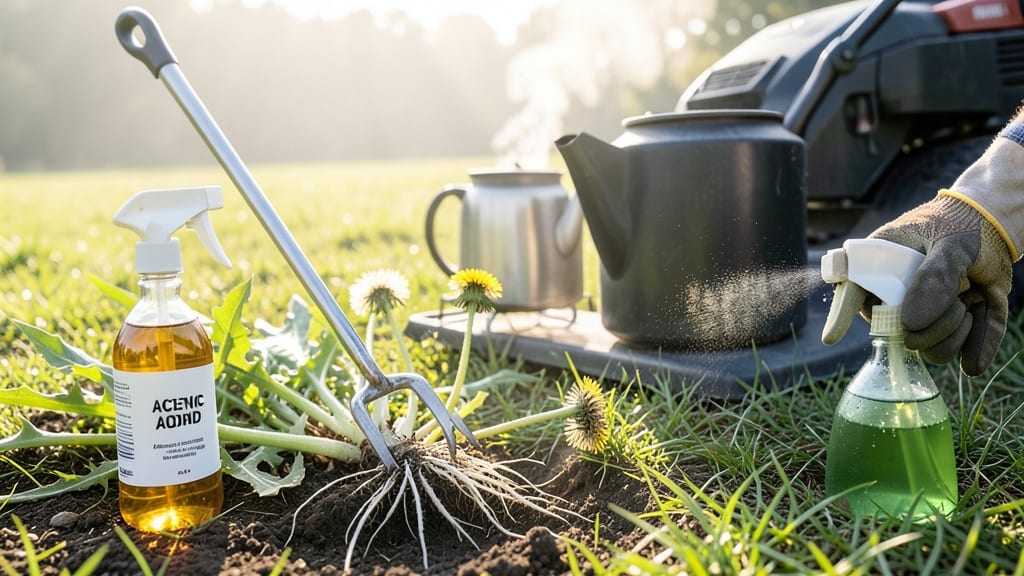
Killing dandelions in your lawn without killing the grass feels like an impossible battle—until you learn the secret weapon. 🌱 The key isn't brute force; it's precision. Spot-targeted herbicides let you kill dandelions without harming your grass, and I've tested the best methods over three frustrating seasons of yellow blooms.
Most people grab a broadcast spray and end up with patchy lawns. The real trick is timing and technique: apply herbicide only to the dandelion leaves when they're young and actively growing, before they go to seed. A 2-step process—first the dandelion, then the roots—gives you the cleanest results.
By mid-summer, your lawn will look like a lush green carpet again, with no more stubborn dandelion survivors. The right products even break down safely in sunlight, so you can mow normally afterward. This works for both organic and chemical approaches—just pick what fits your lawn care style.
Let's get those weeds gone for good.
Root Causes Of Dandelion Invasion
Dandelions may seem like stubborn weeds, but their dominance in lawns isn’t random—it’s rooted in biology, lawn care habits, and even environmental factors. Understanding why they thrive (and why they outcompete grass) is the first step to stopping them without harming your turf. Here’s the science behind their persistence:
Dandelions don’t just invade weak lawns—they exploit them. Grass thrives on dense, healthy competition, but when it’s stressed, dandelions seize the opportunity. Here’s how it happens:
- Thin or Patchy Grass: Gaps in your lawn (from foot traffic, drought, or poor soil) leave bare soil exposed. Dandelion seeds germinate easily in these spots because they need minimal sunlight and nutrients to sprout.
- Shallow Root Systems: Cool-season grasses (like Kentucky bluegrass) have shallow roots, making them vulnerable to drought or compaction. Dandelions, with their deep taproots, tap into moisture and nutrients that grass can’t reach.
- Slow Recovery: Even if you overseed, grass takes time to fill gaps. Dandelions mature in 4–6 weeks, producing thousands of seeds before grass can reclaim the space.
Actionable fix: Test your soil’s pH and nutrient levels—dandelions flourish in slightly acidic soil (pH 6.0–7.0) and low-nitrogen conditions. A soil test reveals what your grass needs to outcompete weeds.
Dandelions are opportunistic annuals, meaning they’ve evolved to germinate and grow when grass is at its weakest. Their lifecycle aligns with lawn vulnerabilities:
- Early Spring Germination: Dandelion seeds sprout as soon as soil temperatures hit 40–50°F—often before grass wakes up from winter dormancy. By the time your lawn green-ups, dandelions are already 2–3 inches tall.
- Fall Seed Production: In late summer/early fall, dandelions bolt (send up flower stalks) to produce seeds. This coincides with stress on grass from heat, drought, or fungal diseases, leaving lawns vulnerable.
- Drought Resistance: Their deep taproots let dandelions survive dry spells when grass wilts. Once rain returns, they rebound quickly while grass struggles to recover.
Actionable fix: Pre-emergent herbicides (applied in early spring or fall) can block dandelion seeds from sprouting. But timing is critical—apply before seeds germinate, not after weeds appear.
Dandelions aren’t just tough—they’re adapted to disturbed or nutrient-poor soil. Here’s how chemistry plays a role:
| Soil Factor | How It Helps Dandelions | How It Hurts Grass |
|---|---|---|
| Low Nitrogen (N) | Dandelions tolerate poor nitrogen better than grass. They fix nitrogen from the air via root microbes, giving them an edge. | Grass requires high nitrogen for lush growth. Low N = weak, yellowing turf. |
| High Phosphorus (P) | Dandelions thrive in soils with moderate phosphorus (they don’t need much). Too much P can actually suppress grass growth. | Grass prefers balanced NPK ratios. Excess P can lead to thatch buildup and fungal issues. |
| Compacted Soil | Dandelions push through compacted layers with their taproots, accessing deep moisture. | Grass roots suffocate in compacted soil, leading to shallow roots and drought stress. |
Actionable fix: Conduct a soil test (available through local extension offices or online kits). If nitrogen is low, apply a slow-release fertilizer (like 24-0-5) in early spring. For compacted soil, core aeration in fall can help grass roots penetrate deeper.
Some common lawn practices accidentally create the perfect dandelion paradise. Here’s how:
- Overwatering: While dandelions need water, excessive moisture (especially in fall/winter) encourages fungal diseases in grass, creating weak spots. Dandelions then move in.
- Mowing Too Short: Cutting grass below 2.5–3.5 inches stresses roots, reduces shade (letting weeds germinate), and exposes soil to heat/drought.
- Skipping Overseeding: Bare patches from old grass death or thin areas become dandelion hotspots. Overseeding in early fall fills gaps before weeds take hold.
- Using Broadleaf Herbicides Too Late: Post-emergent herbicides (like 2,4-D) can kill dandelions but may also stress grass if applied in heat or drought.
Actionable fix: Adjust your mowing height to 3–4 inches (taller grass shades out weeds). Water deeply but infrequently (1–1.5 inches per week) to encourage deep grass roots. Avoid herbicides in extreme heat (above 85°F).
Pro tip: 💡 Dandelions are bioindicators—their presence often signals underlying lawn issues. Fix the root causes (soil, water, mowing), and you’ll weaken their advantage over grass.
Targeted Solutions for Dandelion-Free Grass
Dandelions may seem like stubborn weeds, but with the right approach, you can eliminate them without harming your grass. Below are practical, step-by-step solutions tailored to common causes—plus prevention tips to keep your lawn lush and dandelion-free.
Cause: Early-stage dandelions or isolated clusters. Fix:
- 👨🍳 Pick the Right Time: Pull dandelions before they bloom (early spring or fall) to avoid spreading seeds. If they’re already in flower, wear gloves and collect seeds in a bag.
- 🔪 Use the Right Tool: A weed puller or dandelion digger (with a forked end) helps extract the entire root. A regular hand trowel works too!
- ⏰ Timing Matters: Pull when the soil is moist (after rain or watering) to loosen roots for easier removal.
- 🌱 Fill the Hole: After pulling, pack soil into the hole to prevent erosion.
💡 Pro Tip: For deep roots, twist gently while pulling to avoid breaking the taproot.
Cause: Large patches or deeply rooted dandelions. Fix:
- 📊 Choose Selective Herbicides: Opt for grass-safe herbicides containing 2,4-D or dicamba (e.g., Ortho Weed B Gon, Spectracide Weed & Grass Killer). These kill broadleaf weeds (like dandelions) while sparing grass.
- 🎯 Apply Precisely: Use a drop spreader or pump sprayer to apply herbicide only to dandelion leaves—avoid overspray on grass.
- Best time: Early morning or late evening when temperatures are below 85°F (herbicides work best in cooler conditions).
- 💦 Water Lightly After: A light mist of water helps the herbicide absorb into the plant.
- ⏳ Wait & Watch: Results take 3–10 days. Reapply if needed, but avoid treating the same spot more than once every 30 days.
✨ Pro Tip: For organic options, try vinegar + dish soap + horticultural oil (mix 1 gallon vinegar + 1 tbsp soap + 1 tbsp oil). Spray directly on leaves—this won’t harm grass but may require repeat applications.
Cause: Dandelions thriving in thick grass or shaded spots. Fix:
- 🛏️ Cover the Area: Place cardboard or thick mulch (straw, wood chips) over dandelion patches for 4–6 weeks. This blocks sunlight, starving them.
- 🌱 Improve Grass Health: Dandelions take over weak grass. Aerate, overseed, and fertilize to crowd them out naturally.
- 💧 Water Deeply & Infrequently: Encourage deep grass roots by watering 1–1.5 inches per week (deep soak, not daily light watering).
💡 Pro Tip: If using mulch, keep it 2–3 inches thick but avoid piling it against tree trunks (can cause rot).
To stop dandelions before they start:
- 🌿 Mow High: Keep grass at 3–4 inches to block sunlight from reaching dandelion seeds.
- 🗑️ Remove Seed Heads: Pick off dandelion flowers before they go to seed (even if you don’t pull the whole plant).
- 🔄 Regular Lawn Care: Aerate once a year, fertilize 2–3 times per season, and dethatch if needed.
- 🌱 Overseed Bare Spots: Fill thin areas with dense grass varieties (like Kentucky bluegrass or fescue) to outcompete weeds.
Final Note: Consistency is key! Combine manual removal for small patches, herbicides for stubborn weeds, and preventive care to keep your lawn healthy and dandelion-free. 🌱✨
Frequently asked questions
What's the best time of year to treat dandelions without harming grass?
Early spring (March-April) or fall (September-October) are ideal windows. During these periods, dandelions are actively growing but grass is either waking up or settling into dormancy, making it easier to target weeds without stressing your lawn. Avoid treating during summer heatwaves when grass is already stressed.
Can I use vinegar to kill dandelions without damaging my grass?
Only with extreme precision! A homemade mix of 1 gallon vinegar + 1 tablespoon dish soap + 1 tablespoon horticultural oil works best when applied directly to dandelion leaves using a dropper or small spray bottle. Avoid overspray—vinegar's acidity can burn grass if it drifts. For organic safety, apply on calm days when grass is dry.
How long does it take for selective herbicides to work on dandelions?
Most grass-safe herbicides containing 2,4-D or dicamba show visible results in 3-7 days, with full kill taking 2-3 weeks. For best results, apply when dandelions are young (2-4 inches tall) and temperatures stay below 85°F. Reapply only if regrowth appears, but never treat the same spot more than once every 30 days.
Will pulling dandelions really prevent them from coming back?
Only if you remove the entire root—including the deep taproot! Pull when soil is moist (after rain) and use a dandelion digger or forked tool. Break off any remaining root pieces immediately, as even small fragments can regrow. For stubborn roots, try soaking the area with water for 24 hours before pulling to soften the soil.
Are there any natural predators that can help control dandelions?
Yes! Ladybugs and their larvae are natural dandelion predators—they feed on aphids that often infest dandelions. You can also attract bees and wasps (which pollinate dandelions) by planting native flowers nearby, then remove the seed heads before they go to seed. While these won't eliminate dandelions completely, they reduce their spread significantly when combined with manual removal.