
Lawn
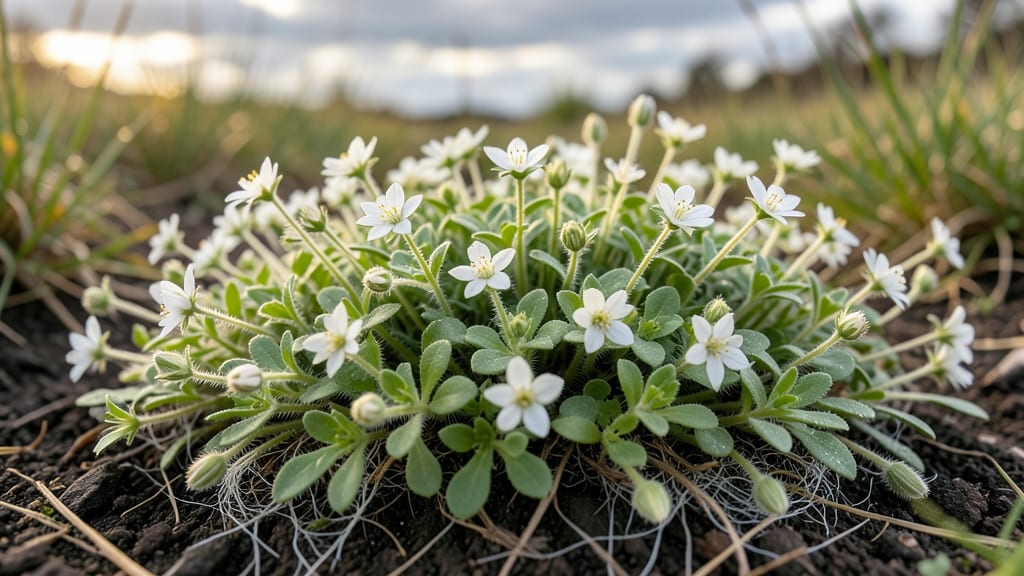
Boiling water spot treatment is the fastest way to kill common lawn chickweed before it spreads. 🌱 I’ve battled this stubborn weed for years—it creeps in after rain, smothers grass, and looks like tiny green mats. The good news?
A 5-gallon kettle and 10 minutes can eliminate it without harsh chemicals. This method works because chickweed has shallow roots and soft stems. Pour freshly boiled water directly onto the weed patches, and you’ll see wilting within hours. Repeat weekly for thick infestations, but avoid overwatering your grass.
The trade-off? Chickweed is edible (mild, slightly tangy) and attracts pollinators, so if you’re okay with a few plants, you might skip treatment entirely. For stubborn patches, combine boiling water with a vinegar solution (1:1 ratio) for extra oomph. Just test a small area first—vinegar can bleach grass if overused.
The key is speed: chickweed spreads rapidly, so act before it takes over. Prevention starts with healthy grass—thick turf crowds out weeds naturally. Mow high (3–4 inches) and overseed bare spots in fall. If you’re dealing with a large lawn, consider a spot herbicide like clopyralid for tough cases.
Either way, chickweed won’t stand a chance once you know the tricks.
Why Lawn Weeds Take Over
If your lawn is suddenly covered in common lawn chickweed (or Stellaria media), you’re not alone—this resilient weed thrives in conditions that many homeowners unintentionally create. Understanding the root causes helps you tackle the problem before it spreads further.
Below, we break down the key factors that turn your yard into a chickweed paradise—and how to fix them.
Chickweed loves disturbed, nutrient-poor, or compacted soil. Unlike grass, which competes for resources, chickweed thrives in:
- Low-nitrogen soil: Grass needs nitrogen to grow thickly, but chickweed flourishes when soil lacks this essential nutrient. A soil test can reveal deficiencies—aim for levels above 0.2% nitrogen for healthy turf.
- High moisture retention: Chickweed germinates best in damp, shaded, or poorly drained areas. If your lawn stays soggy after rain or has clay-heavy soil, chickweed will exploit the moisture.
- Exposed or bare patches: Thin grass leaves gaps where chickweed seeds (which can lie dormant for years) sprout easily. Even small disturbances—like foot traffic, pet urine, or construction—invite it in.
Actionable fix: Aerate compacted soil in fall, top-dress with compost, and overseed bare spots with a high-quality grass mix. Pro tip: 💡 Apply a slow-release nitrogen fertilizer (like milorganite) to crowd out chickweed before it takes hold.
Chickweed is a shade-tolerant opportunist, meaning it outcompetes grass in low-light areas where turf struggles. Common hotspots include:
- Under trees or fences: Dappled shade reduces grass growth, leaving chickweed to dominate. It also spreads via stem fragments, so even a small patch can multiply.
- High-foot-traffic areas: Walking or playing on the lawn compacts soil and damages grass, creating openings for chickweed to invade. Pet urine (high in nitrogen) can also kill grass in spots, further encouraging weed growth.
- Newly seeded lawns: Chickweed often appears alongside new grass seed because it germinates faster and chokes out slower-growing turf.
Actionable fix: 🌿 Improve shade tolerance by choosing fine fescue or creeping red fescue grasses, which handle low light better. For high-traffic areas, install stepping stones or mulch paths to reduce soil compaction.
Chickweed is a cool-season weed, meaning it germinates in early spring and fall when temperatures hover between 40–75°F (4–24°C). Heavy rain or prolonged dampness triggers massive seed germination, while dry summers force it to go dormant—only to rebound when moisture returns.
- Spring showers: Chickweed seeds lie dormant in soil until rain softens the ground, allowing them to sprout within 5–10 days.
- Fall moisture: As summer heat fades, chickweed grows aggressively, often outpacing grass recovery.
- Drought stress: When grass wilts under heat, chickweed’s shallow roots let it survive with minimal water, leaving it to spread unchecked.
Actionable fix: 🌡️ Water deeply but infrequently (1–1.5 inches per week) to encourage deep grass roots. In fall, apply a pre-emergent herbicide (like corn gluten meal) to prevent chickweed seeds from germinating.
Even well-meaning lawn care can unintentionally help chickweed. For example:
- Over-mowing: Cutting grass too short (below 2–3 inches) weakens roots, leaving gaps for chickweed. Mowing too frequently also spreads stem fragments, creating new plants.
- Improper herbicide use: Broadleaf herbicides (like 2,4-D) kill chickweed but may harm grass if misapplied, creating more bare spots.
- Ignoring small patches: Chickweed reproduces via seeds and stem cuttings—even a handful of plants can become thousands in a season.
Actionable fix: ✨ Set your mower to 3–4 inches in summer (higher in winter) to shade out weeds. Pull chickweed by hand when young (it’s easier than waiting for it to mature), or spot-treat with boiling water (see our treatment guide for details).
Quick Fixes for Stubborn Weeds
If common lawn weeds like chickweed have taken over your yard, don’t panic—there are practical ways to tackle them without harsh chemicals. The key is matching the right solution to the cause.
Below, we break down the most effective fixes based on the root of the problem, from quick spot treatments to long-term prevention.
If your lawn is struggling because of poor maintenance, the first step is to revitalize the grass so it outcompetes weeds naturally.
🍳 Boost Grass Health First
- Mow high (3–4 inches): Taller grass shades out weeds and develops deeper roots.
- Aerate compacted soil: Use a core aerator in spring or fall to improve airflow and nutrient absorption.
- Apply slow-release fertilizer: A balanced formula (like 10-10-10) strengthens grass roots, making them more resilient.
👨🍳 Spot-Treat with Boiling Water (Fastest Fix)
For stubborn chickweed patches, boiling water is a chemical-free, instant kill method.
- Boil 1–2 gallons of water (per gallon jug for portability).
- Pour directly over weeds on a dry, sunny day (heat enhances effectiveness).
- Reapply in 3–5 days if regrowth appears (chickweed is resilient!).
⚠️ Warning: Avoid nearby plants—this method targets only the weeds.
🌱 Fill Bare Spots with Seed
- Rake out dead weeds and loosen soil.
- Sprinkle grass seed (choose a shade-tolerant variety if your lawn is shady).
- Lightly cover with soil and water gently.
If chickweed keeps popping up, it’s likely due to poor soil conditions or overwatering. Fix these underlying issues:
💡 Adjust Watering Habits
- Water deeply 2–3 times per week (early morning) instead of daily shallow watering.
- Chickweed thrives in damp soil—let the top inch dry out between waterings.
🎯 Improve Soil Drainage
- Test soil pH (ideal: 6.0–7.0 for most grasses).
- Amend clay soil with compost or sand to prevent waterlogging.
- For sandy soil, add organic matter (like peat moss) to retain moisture.
🔪 Pre-Emergent Barrier (Prevention)
- Apply a corn gluten-based pre-emergent in early spring (before weeds sprout).
- Pro tip: This also feeds soil microbes—win-win!
If chickweed spreads aggressively, it’s likely due to seed dispersal from birds or wind. Break the cycle with these steps:
🌿 Remove Before Seeding
- Pull weeds by hand (especially in early spring) before they release seeds.
- Bag and dispose of clippings—don’t compost them!
🍂 Mulch Bare Areas
- Spread 2–3 inches of mulch (straw or wood chips) in thin lawn spots to block light and suppress weeds.
🚜 Overseed Thickly
- Use a slit seeder to plant grass seed at double the recommended rate for dense coverage.
Keep chickweed from making a comeback with these low-effort habits:
- ✅ Mow regularly—never let grass grow taller than 4 inches.
- ✅ Leave grass clippings (they act as natural mulch).
- ✅ Dethatch every 2–3 years to prevent thatch buildup (a weed magnet).
- ✅ Encourage beneficial insects (like ladybugs) with native plants—they eat weed seeds!
With these targeted fixes, your lawn will outgrow chickweed in no time. Start with the quickest solutions (like boiling water), then build long-term resilience. Happy gardening! 🌱
Frequently asked questions
Is common lawn chickweed harmful to grass?
Not directly harmful, but it competes aggressively with grass for nutrients, water, and sunlight. Chickweed spreads rapidly, creating dense mats that smother grass roots. The real danger is its ability to take over thin or weak lawns, leaving bare patches that attract more weeds.
Can I eat chickweed from my lawn?
Yes! Chickweed is edible and has a mild, slightly tangy flavor. It's packed with vitamins A and C, making it a nutritious addition to salads or smoothies. Just ensure your lawn hasn't been treated with herbicides—always harvest from untreated areas if you plan to eat it.
Why does chickweed keep coming back after treatment?
Chickweed has thousands of tiny seeds that can remain dormant in soil for years. Even small patches can regrow from fragments or seeds you missed. For long-term control, combine boiling water treatments with soil improvement (like aeration and overseeding) to crowd out future growth.
What's the best time of year to treat chickweed?
Target chickweed in early spring (March-April) or fall (September-October) when temperatures are 50–70°F (10–21°C). These periods coincide with its active growth phase. Avoid treating during summer drought when chickweed may already be stressed.
Will vinegar kill chickweed without harming grass?
Straight vinegar (5% acetic acid) can kill chickweed, but it's risky for grass. For safer results, mix 1 part white vinegar with 1 part water and apply only to chickweed patches on dry days. Test a small area first—vinegar can bleach grass if overused. For better grass protection, use boiling water instead.