
Pests
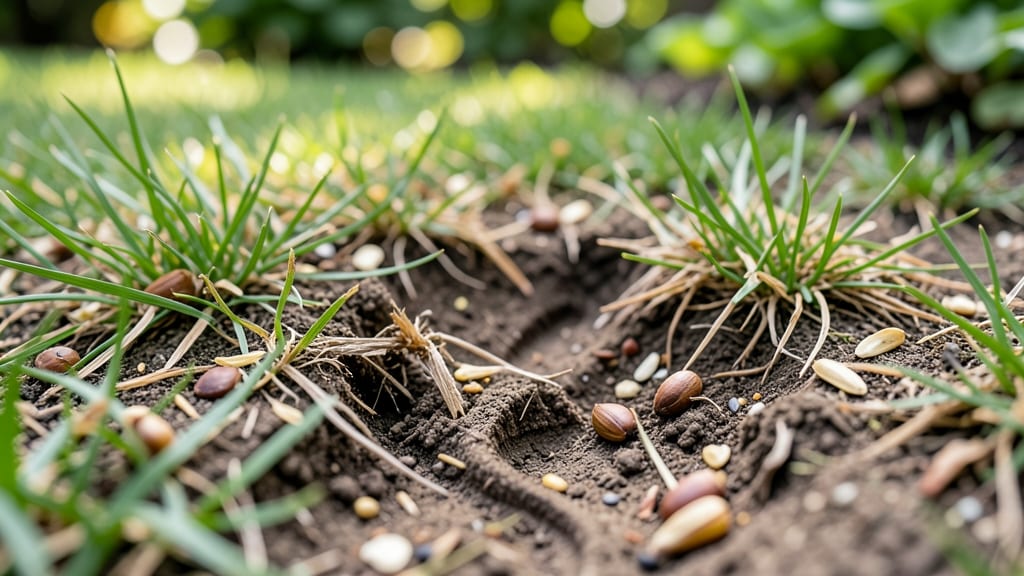
Chipmunk lawn damage turns your meticulously maintained yard into a buffet zone overnight. 🌱 I’ve watched these tiny striped bandits turn my carefully planted grass into a tunnel system, and the frustration is real—but there’s a 3-day fix that works without harming them.
The key is understanding their behavior: chipmunks dig for grubs, seeds, and roots, and they’re drawn to moist, soft soil.
Once you spot their telltale mounds or chewed grass, you can disrupt their plans with natural deterrents like castor oil spray, peppermint oil, or even chicken wire barriers in problem areas. Within 72 hours, you’ll see fewer tunnels, less digging, and your lawn starting to recover.
The best part? These methods keep working season after season, so you won’t be playing whack-a-mole every spring. Works for both lawns and garden beds, and it’s safe for kids and pets. Let’s get those critters redirected—without the traps or cruelty.
The Hidden Triggers Behind Lawn Disruption
Chipmunks may look like tiny, harmless critters, but they’re actually master gardeners—and your lawn is their all-you-can-dig buffet. 🐿️🌱 Understanding why they target your yard in the first place is the first step to reclaiming it.
These striped bandits don’t just dig randomly; they’re driven by survival instincts, seasonal behaviors, and environmental cues. Let’s break down the real reasons your lawn is becoming their playground.
Chipmunks are omnivorous opportunists, and their diet shifts with the seasons. In spring and summer, your lawn is a goldmine of fresh greens, tender shoots, and buried seeds—especially if you’ve recently planted grass, veggies, or flowers.
But even in winter, they rely on cached food (like acorns, nuts, or seeds) hidden underground. When natural food sources dwindle, they turn to:
- Newly seeded lawns: Freshly planted grass seeds are a protein-rich snack, and chipmunks will strip an entire patch in hours. The high moisture content makes them irresistible.
- Mulched beds: Organic mulch (like wood chips or straw) attracts insects and larvae—chipmunk fast food. They’ll dig through it to snack on bugs or the mulch itself.
- Vegetable gardens: Carrots, beans, and corn are top targets. Chipmunks prefer these over grass because they’re softer and more nutritious.
Scientific note: Chipmunks have cheek pouches that can hold up to one ounce of food at a time. When they find a bountiful source (like your lawn), they’ll stuff their cheeks and stash excess underground—often right where they’re digging. This creates multiple entry points for further destruction.
Chipmunks aren’t just eating machines—they’re also architects. In late spring and early summer, they seek out soft, loose soil to build nests for their young. Your lawn provides the perfect conditions:
- Loose, sandy soil: Easy to dig, aerates quickly, and provides insulation. If your lawn has recently been tilled or aerated, it’s a chipmunk’s dream.
- Thick grass cover: Tall or dense grass hides their tunnels and entry points, making them feel safer from predators (like cats or hawks).
- Proximity to structures: Chipmunks prefer areas near shelter, like sheds, patios, or tree roots. If your lawn borders these, they’ll see it as prime real estate.
Key behavior: A single female chipmunk can dig 10+ feet of tunnels in a week to create a nest. These burrows can persist for years, with new generations expanding them. The more they use the space, the more damage they cause.
Chipmunks are highly sensitive to weather, and their digging patterns spike during specific conditions:
| Season | Why They Strike | Your Lawn’s Vulnerability |
|---|---|---|
| Spring (March–May) | Emerging seeds and tender shoots are their main food source after winter. | Newly sprouted grass, disturbed soil from thawing, and soft mulch. |
| Summer (June–August) | Hot, dry conditions force them to dig deeper for moisture and buried food. | Drought-stressed lawns (roots are shallow, easy to uproot). |
| Fall (September–November) | They cache food for winter, creating extensive tunnel networks. | Leaves and debris provide cover; they’ll dig under mulch or leaf piles. |
| Winter (December–February) | Snow cover forces them to dig through frozen ground to access cached food. | Thawed patches or areas near heat sources (like driveways) become hotspots. |
Pro tip: Chipmunks are crepuscular (most active at dawn and dusk). If you notice fresh mounds or tunnels right after sunrise, they’re likely expanding their food stashes for the day.
Believe it or not, a healthy lawn can sometimes deter chipmunks, while a neglected one invites them. Here’s how your yard’s condition plays a role:
- Weak, patchy grass: Thin or dead patches make it easier for chipmunks to dig. They target areas where roots are shallow or soil is compacted.
- Overwatered soil: Soggy ground is ideal for tunneling—it’s soft and holds their burrows together. Drought-stressed lawns, however, force them to dig deeper for moisture.
- Lack of natural predators: If your yard has no owls, snakes, or foxes, chipmunks feel bold enough to take over. Even domestic cats can reduce their numbers.
- Overuse of pesticides: While chemicals kill insects (a chipmunk food source), they can also disrupt the ecosystem, making your lawn less diverse and thus more appealing to chipmunks.
Actionable insight: Chipmunks avoid lawns with dense, healthy turf (like Kentucky bluegrass or fescue) because the roots are tough to dig through. If your grass is sparse, they’ll see it as an open invitation.
Quick Fixes for Chipmunk Chaos
Now that you understand why chipmunks are turning your lawn into their personal buffet, let’s tackle the problem head-on with practical, nature-friendly solutions. Chipmunks are clever but predictable—they love easy meals, burrows, and cozy spots.
By addressing their needs (or lack thereof), you can reclaim your yard in just a few days. Here’s how:
Chipmunks create chaos by digging tunnels and uprooting plants. If your lawn looks like a war zone, these fixes will help:
🔥 Block Their Access Points
- Install hardware cloth barriers (¼-inch mesh) around garden beds, flower pots, and vulnerable areas. Bury it 6–12 inches deep to prevent them from tunneling underneath.
- Use wire baskets for young plants or bulbs—chipmunks can’t dig through them, but roots can still grow.
🍳 Fill the Holes (Without Harming Them)
- Backfill tunnels with rocks, gravel, or coarse sand—chipmunks dislike the texture and will avoid digging there.
- Plant deep-rooted ground covers (like creeping thyme or clover) to stabilize soil naturally.
👨🍳 Remove Attractants
- Secure trash cans with bungee cords or locks—chipmunks raid them for scraps.
- Clean up fallen fruit, nuts, and seeds daily, especially in autumn.
If chipmunks are snacking on your veggies or flowers, they’re not just digging—they’re eating. Here’s how to outsmart them:
🔪 Use Physical Deterrents
- Row covers (lightweight fabric) over gardens—chipmunks can’t chew through them, and plants still get sunlight.
- Copper tape around raised beds—chipmunks dislike the sensation and will avoid crossing it.
🥘 Plant Chipmunk-Resistant Alternatives
Swap vulnerable plants for these chipmunk-deterrent crops:
- Marigolds (bitter taste)
- Snapdragons (unappealing texture)
- Alliums (onion family—chipmunks hate the smell)
🌡️ Hot Pepper Spray (Safe & Effective)
Mix 1 tbsp cayenne pepper + 1 tsp dish soap + 1 quart water, spray on plants, and reapply after rain. The spiciness repels them without harm.
If you spot chipmunks nesting under decks, sheds, or in thick mulch, they won’t leave willingly. Try these humane relocation tricks:
💡 Create a Better Home for Them
- Set up a chipmunk house (available at garden stores) in a wooded, undisturbed area far from your home.
Fill it with shredded newspaper or straw—they’ll move in fast. - Offer food lures (sunflower seeds, nuts) near the new house to encourage the move.
🎯 Seal Entry Points
- Caulk gaps in decks, sheds, and foundations with steel wool + expanding foam—chipmunks can’t chew through it.
- Install door sweeps to block tiny entrances.
Once the immediate damage is under control, rewire your yard to discourage future visits:
🌿 Keep the Lawn Tidy
- Mow regularly—chipmunks prefer tall grass for cover.
- Remove leaf litter and brush piles—these hide food and shelter.
🎯 Use Natural Repellents
- Predator urine (fox or coyote, available at garden stores) around the perimeter—chipmunks fear these smells.
- Plant mint or daffodils near entry points—their strong scents repel them.
🔥 Motion-Activated Sprinklers
- DIY version: Place a plastic bottle with holes on a string—when it tips (triggered by motion), it sprays water. Chipmunks will avoid the area.
- ❌ Avoid poison baits—they can harm pets, wildlife, and children.
- ❌ Don’t relocate chipmunks far—they’ll just dig back under your porch.
- ❌ Skip the gloves—chipmunks can bite if cornered!
With these fast-acting, humane solutions, you’ll see a difference in 3–7 days. Chipmunks are opportunists—remove their food, shelter, and easy access, and they’ll move on to greener pastures (literally). Your lawn will thank you! 🌱🐿️💨
Frequently asked questions
What do chipmunk holes in my lawn actually look like?
Chipmunk holes are typically 2–3 inches wide with smooth, rounded edges—often surrounded by scattered dirt or tiny mounds. Look for multiple entry points (usually 2–4 per burrow) and tunnels that may collapse when stepped on. Unlike moles, chipmunks create surface mounds of loose soil near their holes.
Will chipmunks eventually leave on their own?
They might, but don’t count on it! Chipmunks are territorial and will return if food sources (like seeds or grubs) remain available. For long-term results, you’ll need to remove attractants (secure trash, clean up debris) and block access points. Without intervention, they’ll keep expanding their tunnels and causing damage season after season.
Are there any plants chipmunks completely avoid?
Yes! Chipmunks typically steer clear of plants with strong scents or bitter tastes, like marigolds, snake plants, or lavender. They also dislike alliums (onion family) and foxglove. Planting these around vulnerable areas can create a natural barrier—just avoid placing them directly where chipmunks are already active.
Can I use peppermint oil to repel chipmunks?
Mix 10–15 drops of peppermint oil with 1 cup water + 1 tsp dish soap, then spray around entry points, tunnels, and garden beds. Reapply every 3–5 days or after rain. The strong scent masks their food sources and disrupts their territory markers. Avoid spraying directly on plants, as it can harm foliage.
What’s the fastest way to fill chipmunk holes without them digging again?
Use coarse sand or small gravel—chipmunks dislike the texture and won’t dig through it. Pack it firmly into the holes, then tamp down with a board. For deeper tunnels, try rocks or hardware cloth buried 6+ inches deep. Avoid filling with soil, as they’ll just dig through it again within days.