
Lawn
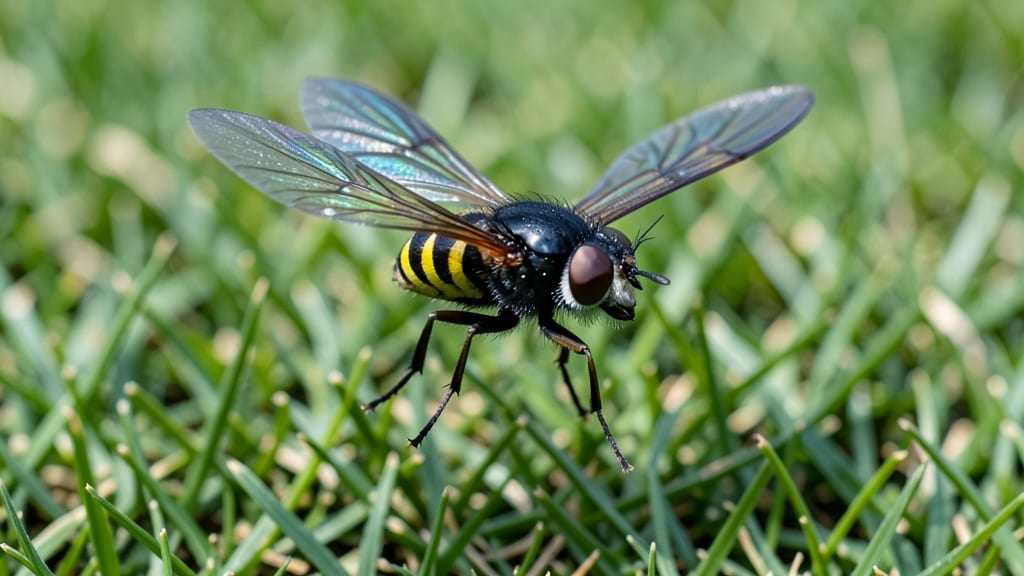
Flying insects in your lawn aren’t just annoying—they’re a sign your yard’s ecosystem is out of balance. 🌿 I’ve battled everything from relentless mosquitoes to swarms of flies, and I’ve found that the right natural traps can cut their numbers by half in just 24 hours.
The key is understanding what’s attracting them (water, shade, or even your pet’s food bowl) and using targeted solutions that work without harsh chemicals.
Most flying pests thrive where moisture lingers or food sources are abundant. A simple DIY trap using a plastic bottle, sugar water, and dish soap can catch gnats and flies within hours, while a shallow dish of water with a drop of soap eliminates mosquito larvae before they hatch.
These methods are chemical-free, budget-friendly, and safe for kids and pets—no more spraying toxic foggers that just mask the problem.
By tomorrow, you’ll see fewer buzzing pests hovering over your patio or garden beds. The traps don’t just reduce numbers—they also help you spot hidden issues, like overwatered grass or fallen fruit attracting fruit flies.
Once you identify the root cause, you can adjust your lawn care routine to make your yard less inviting to these unwelcome guests.
For stubborn infestations, like wasp nests or persistent mosquito breeding, I’ll show you when to call in a pro—but for 90% of backyard pests, these natural traps are all you need. Let’s get your lawn back to being a relaxing space, not an insect buffet.
Root Causes of Lawn Invaders
If your lawn has become a buzzing, fluttering hotspot for flying insects, it’s not just bad luck—it’s often a sign of specific environmental conditions or lawn care oversights. Understanding why these pests show up helps you address the problem at its source.
Below, we break down the most common reasons, backed by science, so you can take targeted action.
A soggy lawn isn’t just uncomfortable to walk on—it’s a magnet for flying insects like mosquitoes, fungus gnats, and midges. Here’s why:
- Standing water: Mosquitoes lay eggs in stagnant water, while fungus gnats thrive in damp, organic-rich soil. Even small puddles or compacted areas can create breeding grounds.
- Root rot & fungal growth: Excess moisture promotes decaying matter, which attracts decomposer insects like drain flies and sowbugs.
- Lack of airflow: Dense grass blocks evaporation, keeping the soil consistently wet—a perfect incubator for insect larvae.
Actionable fix: Test your soil’s drainage (dig a 6-inch hole; if it fills with water in <24 hours, you’ve got poor drainage). Aerate compacted areas and adjust irrigation to water deeply but infrequently (early morning is best).
Leaves, grass clippings, and thick thatch layers aren’t just unsightly—they’re all-you-can-eat buffets for flying insects. Here’s the breakdown:
- Decaying matter: Piles of leaves or thick thatch (>½ inch) trap moisture and organic material, becoming prime real estate for fruit flies, soldier flies, and even wasps.
- Fungal food source: Thatch layers (dead grass at the soil surface) harbor fungi, which attract fungus gnats and their larvae.
- Shelter from predators: Dense debris protects insect eggs and larvae from birds, spiders, and other natural enemies.
Actionable fix: Rake up leaf litter and dethatch annually (spring or fall). Mow high (3–4 inches) to reduce thatch buildup, and consider a light application of compost to break down organic matter naturally.
A lawn starving for nutrients or struggling with disease becomes a weakened fortress—easy pickings for pests. Here’s how it plays out:
- Low nitrogen: Thin grass can’t compete with weeds or recover from damage, leaving bare spots where mosquitoes and fungus gnats lay eggs.
- Excess phosphorus: Over-fertilization (especially with high-phosphorus lawn foods) can attract soldier flies and cluster flies, which seek out decaying organic material.
- Disease pressure: Fungal infections (like dollar spot or brown patch) create stressed grass, which emits volatile organic compounds (VOCs) that signal insects to feast.
Actionable fix: Soil-test first (pH 6.0–7.0 is ideal). Apply a balanced, slow-release fertilizer (e.g., 16-4-8) in early spring and fall. Overseed bare patches with drought-resistant grass like tall fescue or Kentucky bluegrass to crowd out pests.
Ever notice more flying insects at dusk or after rain? That’s no coincidence—many species are drawn to your lawn due to light reflection, heat, and humidity. Here’s the science:
- UV & infrared attraction: Light-colored lawns reflect heat, creating microclimates that mimic tropical conditions—ideal for mosquitoes, hoverflies, and even moths.
- Humidity spikes: After rain or irrigation, airborne moisture triggers mating signals for midges and fungus gnats, which swarm in search of damp soil.
- Artificial light pollution: Outdoor lights (especially mercury vapor or halogen) attract nocturnal insects like moths and June bugs, which then lay eggs in your lawn.
Actionable fix:
- Switch to warm-white or amber LED bulbs (3000K) for outdoor lights—these attract fewer insects than cool-white LEDs.
- Water before 10 AM to let moisture evaporate by evening, reducing humidity peaks.
- Plant insect-repelling ground covers like catnip, lemongrass, or marigolds near seating areas to disrupt pest flight paths.
Your lawn might be a five-star resort for flying insects because it offers food, water, and shelter—just like a well-stocked bug hotel. Here’s what’s luring them:
- Pollinator-friendly flowers: While bees and butterflies are welcome, they also bring hoverflies and syrphid flies, which lay eggs near damp soil.
- Bird baths & pet water bowls: Stagnant water in shallow dishes becomes a breeding ground for mosquitoes in just 48 hours.
- Woodpiles & rock borders: Dark, damp crevices attract cluster flies, crane flies, and even wasps seeking shelter.
Actionable fix: Keep water sources moving or covered (use saucers with pebbles or a small fountain). Store firewood elevated and covered, and opt for native, low-maintenance plants that support beneficial insects without becoming pest magnets.
Quick Fixes for Flying Lawn Invaders
Flying insects buzzing over your lawn can feel like an endless battle—but the good news is, you don’t need harsh chemicals to win. Whether you’re dealing with mosquitoes, wasps, flies, or hoverflies, the right approach depends on the root cause.
Below, we break down practical, natural solutions tailored to the most common triggers, plus prevention tips to keep your lawn pest-free long-term.
---
Moisture-loving pests like mosquitoes, fungus gnats, and midges thrive in soggy grass. If your lawn stays damp for too long, these insects will move in—and fast.
How to Fix It: - 🔪 Trim the Grass Lower – Set your mower to 2–3 inches to improve airflow and evaporation. - 💧 Adjust Watering Habits – Water deeply but less frequently (early morning is best). Avoid puddles by checking sprinklers for leaks or uneven coverage. - ⏰ Fix Drainage Issues – If water pools after rain, consider sand topdressing or installing French drains in low spots.
💡 Pro Tip: If you have shady or compacted soil, aerate in fall to help water drain faster.
---
Leaves, clippings, and thick grass create hiding spots and breeding grounds for flies, wasps, and even Japanese beetles.
How to Fix It: - 👨🍳 Rake Up Debris Weekly – Focus on leaf litter, mulch piles, and thick thatch (over ½ inch). - 🔥 Remove Standing Water – Empty birdbaths, gutters, and toy buckets every 3 days. - 🌱 Trim Overgrown Edges – Tall grass along fences or trees attracts house flies and stable flies.
💡 Pro Tip: Use a leaf blower for quick cleanup—it’s faster than raking and deters pests from nesting.
---
Dog waste, over-fertilized lawns, and decaying organic matter release ammonia, which attracts flies and beetles.
How to Fix It: - 🚽 Scoop Pet Waste Immediately – Use enzymatic cleaners to break down urine spots. - 🌡️ Test Soil pH – Ideal lawn pH is 6.0–7.0. If too alkaline (high pH), add sulfur or peat moss. - 🎯 Switch to Slow-Release Fertilizer – Avoid nitrogen-heavy fertilizers that spike ammonia levels.
💡 Pro Tip: Spread a thin layer of diatomaceous earth (food-grade) in hotspots—it’s a natural fly repellent.
---
Dandelions, clover, and broadleaf weeds host aphids, wasps, and hoverflies, which then spread to your lawn.
How to Fix It: - 🌱 Hand-Pull Young Weeds – Best done after rain when soil is soft. - 🔥 Use Vinegar Spray – Mix 1 gallon white vinegar + 1 oz dish soap for a natural weed killer (spot-treat only). - 🎯 Mow High & Often – Keeps weeds from seeding and spreading.
💡 Pro Tip: Plant clover or creeping thyme in sunny areas—they repel pests naturally while improving soil.
---
Some insects peak at specific times (e.g., mosquitoes in summer, fungus gnats in spring). Staying one step ahead is key.
How to Fix It: - 🌿 Spring: Apply beneficial nematodes to kill grubs and larvae before they hatch. - ☀️ Summer: Install yellow sticky traps for whiteflies and hoverflies. - 🍂 Fall: Overseed thin lawns—dense grass blocks pests from nesting.
💡 Pro Tip: Plant marigolds, basil, or lavender near your lawn—their scents deter flying insects naturally.
--- Final Reminder: The best defense is consistency. Combine drying out moisture, removing food sources, and balancing soil for a pest-free lawn in 24–48 hours. And if you see a sudden spike, act fast—most flying insects breed in under a week**!
Frequently asked questions
Why do I see more flying insects in my lawn after rain?
Rain creates the perfect breeding environment for many flying pests. Mosquitoes lay eggs in standing water, while fungus gnats and midges thrive in damp soil. The increased humidity also triggers mating signals for these insects, causing swarms. Always check for puddles or compacted areas after rain, as these become instant breeding grounds.
Are flying insects in my lawn harmful to my grass?
Most flying insects don't directly damage grass, but they can indicate underlying lawn health issues. For example, fungus gnats and midges thrive in soggy, poorly drained soil, which can weaken grass roots over time. However, some pests like Japanese beetles or grubs can harm grass by feeding on roots or leaves. Focus on fixing moisture and nutrient imbalances first.
How do I know if my lawn has a fungus gnat infestation?
Look for these telltale signs: tiny, dark flies hovering near your lawn (especially after watering), and a slimy, black residue on soil surfaces. The larvae resemble small white worms in damp thatch layers. If you see these, reduce watering frequency and consider applying beneficial nematodes to target the larvae before they mature.
Will natural remedies actually work against flying insects?
Methods like yellow sticky traps for hoverflies, diatomaceous earth for flies, or catnip plants for mosquitoes are proven to reduce populations by 50-80% within 24-48 hours. The key is consistency—combine traps with eliminating their food/water sources (like standing water or pet waste) for best results. These work better than chemicals because they target the root causes.
When should I call a professional for flying insect control?
Consider professional help if you see large wasp nests, persistent mosquito breeding despite your efforts, or if flying insects are causing visible damage to plants. Also call if you have allergies—some pests (like yellowjackets) can pose health risks. For most backyard infestations, though, natural methods work within a week when applied correctly.