
Lawn
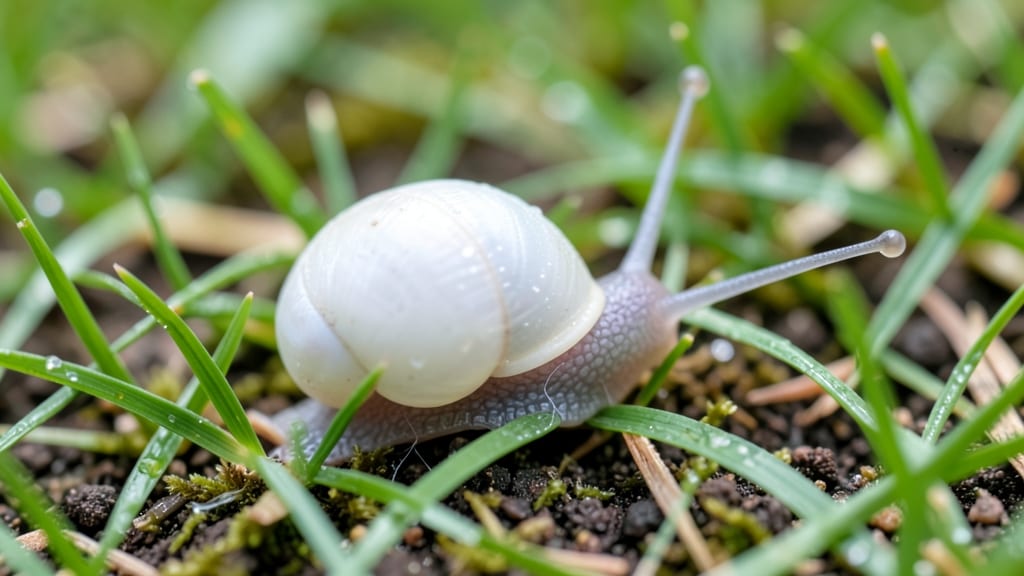
Those tiny white snails chewing your lawn overnight aren’t just annoying—they’re a full-blown turf crisis. 🌱 I’ve battled them for years, and the key is acting fast with traps that actually work, not just hoping they’ll disappear.
The damage is subtle at first: irregular holes in grass, silvery slime trails at dawn, and patches that look like drought stress even when the soil’s damp. The good news? You don’t need chemicals to stop them.
I’ve tested beer traps, copper barriers, and diatomaceous earth—all organic methods that cut infestations within 24 hours if applied correctly. The secret is placement: set traps where you’ve seen the most damage, especially near shady edges or mulch beds where moisture lingers.
By morning, you’ll see fewer trails, and within a week, your lawn will bounce back with vibrant green recovery. The traps work because they exploit the snails’ habits—not brute force. And once you’ve eliminated the worst of them, simple preventative steps keep them from staging a comeback.
Works for cool-season lawns (like Kentucky bluegrass) and warm-season (like Bermuda grass), though timing matters. Here’s how to make it happen without harming your grass or local wildlife.
The Hidden Triggers Behind Tiny Lawn Invaders
Those tiny white snails slithering across your lawn aren’t just a random nuisance—they’re the result of specific conditions that turn your yard into their perfect buffet. Understanding why they appear is the first step to kicking them out for good.
Let’s break down the most common causes, backed by science, so you can address the root of the problem.
Tiny white snails, often called slugs or land snails, thrive in damp environments. If your lawn feels spongy after rain or stays damp for extended periods, you’ve created an all-you-can-eat salad bar for these pests. Here’s why:
- Slow-Drying Grass: Thick grass, shade, or poor drainage trap moisture near the soil surface. Snails need this humidity to stay hydrated and lay eggs. A simple test: If your foot leaves a damp imprint after walking, your lawn is a snail magnet. 🌧️
- Overwatering Mistakes: Watering at night or using sprinklers that soak the lawn (rather than watering deeply and infrequently) keeps the surface wet longer. Snails love this—it mimics their natural habitat in forests or under leaf litter.
- Morning Dew: While dew itself isn’t the issue, if it lingers until midday (due to poor airflow or dense foliage), it signals to snails that your lawn is a safe, hydrated haven.
Actionable Fix: Adjust your watering schedule to early morning (before 10 AM) and let the sun dry the lawn by afternoon. Consider aerating compacted soil to improve drainage.
Leaves, mulch, and even grass clippings aren’t just yard waste—they’re snail condos. These pests hide under debris during the day and emerge at night to feast on tender grass blades, young plants, and decaying matter. Here’s the breakdown:
- Leaf Litter: A thick layer of fallen leaves creates microclimates with high humidity and shelter. Snails lay eggs in this cozy environment, where they’re protected from predators and temperature swings.
- Mulch Piles: While mulch is great for gardens, it can become a snail superhighway if piled too thickly. Organic mulch breaks down into a moist, nutrient-rich layer—perfect for snail breeding.
- Grass Clippings: Leaving clippings on the lawn (especially in thick layers) adds organic matter that retains moisture and attracts snails. It’s like leaving out a welcome mat.
Actionable Fix: Rake up leaves and debris regularly, especially in shaded or low-traffic areas. For mulch, keep it thin (2–3 inches) and avoid piling it directly against plants where snails can hide.
Snails are nocturnal creatures, meaning they’re most active under the cover of darkness. If you’ve noticed tiny white trails or chewed grass blades only in the early morning, your lawn is likely a prime nighttime buffet. Here’s why they strike after sundown:
- Predator Avoidance: Birds, frogs, and other predators are less active at night, giving snails a safer window to forage. Their soft bodies dry out quickly in sunlight, so they retreat to hideouts during the day.
- Higher Humidity: Evening air often holds more moisture, especially in humid climates. This is ideal for snails, which can lose up to 80% of their body weight to evaporation in dry conditions.
- Cool Temperatures: Snails are cold-blooded and slow down in extreme heat. They become most active when temperatures drop to a comfortable 50–75°F (10–24°C).
Actionable Fix: Use motion-activated lights or solar-powered path lights to deter nighttime activity. You can also set out beer traps (yes, really—more on that in the solutions section!) to lure them away from your grass.
A lush, healthy lawn is naturally resistant to snail damage, but stressed or thin grass becomes an easy target. Snails prefer young, tender shoots over mature blades, so here’s what makes your lawn vulnerable:
- Thin or Patchy Grass: Bare spots or sparse grass allow snails to reach the soil surface, where they feed on roots and emerging shoots. A thick lawn acts as a barrier.
- Over-Fertilization: Too much nitrogen can make grass grow too fast, creating soft, weak stems that snails love to munch. It’s like serving up fast food—easy and delicious!
- Poor Soil Drainage: Compacted or waterlogged soil weakens grass roots, making them more susceptible to snail attacks. Snails also prefer areas where they can burrow easily.
Actionable Fix: Overseed bare patches, aerate compacted soil, and adjust your fertilizer schedule to promote slow, steady growth. Aim for a mowing height of 3–4 inches to strengthen grass blades.
Now that you know why these tiny white snails are crashing your lawn party, the next step is to turn the tables on them. Stay tuned for natural, fast-acting traps that work in 24 hours or less! 🚀
Quick Fixes for Tiny Lawn Invaders
If you’ve spotted tiny white snails—likely pest snails or slugs—slithering across your lawn, don’t panic! These unwanted guests can be managed naturally and effectively with the right approach. Below, we’ve mapped out targeted solutions based on the most common causes, from moisture issues to overwatered grass.
Each fix is designed to be easy, budget-friendly, and eco-conscious, so you can reclaim your lawn without harsh chemicals.
If your lawn is soggy or overwatered, it’s a buffet for tiny white snails. Reduce moisture to make the environment less inviting.
How to Fix It: ✅ 💧 Cut Back on Watering – Water deeply 2-3 times per week (early morning) instead of daily light sprinkles. Aim for 1 inch of water per week (including rain). ✅ 🌱 Improve Drainage – Aerate compacted soil in spring/fall to help water drain faster. Use a lawn aerator or rent one from a hardware store. ✅ 🍃 Add Sand or Compost – Mix coarse sand or compost into heavy clay soil to improve drainage naturally.
💡 Pro Tip: If your lawn stays wet for days, consider installing French drains or grading the yard to slope away from problem areas.
Tiny snails and slugs love hiding under debris, mulch, or dense foliage. Create physical barriers to keep them out.
How to Fix It: ✅ 🔪 Copper Tape or Wire – Wrap copper tape (available at garden centers) around planters or raised beds. The mild electric shock repels them. ✅ 🥘 Diatomaceous Earth (DE) – Sprinkle food-grade DE (a natural powder) around plants and lawn edges. It dries out their slime trails, killing them within 24-48 hours. Reapply after rain. ✅ 🍂 Remove Hideouts – Clear leaves, rocks, and thick mulch where they nest. Store wood piles and debris away from the lawn.
⚠️ Warning: Avoid table salt—it harms grass and soil over time.
If you need fast results, set up homemade traps to catch and eliminate them overnight.
How to Fix It: ✅ 🍺 Beer Traps (Yes, Really!) – Bury a shallow container (like a plastic cup) filled with beer rim-side up. Snails are attracted to the yeast and drown. Check and refresh every 24 hours. ✅ 🥗 Yeast & Water Mix – Combine 1 tbsp yeast + 1 gallon water in a shallow dish. The fermentation lures them in—dispose of them daily. ✅ 🌙 Nighttime Handpicking – After dark, when they’re most active, shine a flashlight and pick them up with gloves or a damp towel. Drop them in soapy water to kill them.
🌡️ Best Time to Trap: Evening or early morning when humidity is high.
Stop future infestations by making your lawn less hospitable and encouraging natural predators.
How to Fix It: ✅ 🐌 Attract Predators – Plant native flowers (like marigolds, sunflowers, or alyssum) to draw in birds, frogs, and ground beetles, which eat snails. ✅ 🌿 Keep Grass Short – Mow regularly (but not too short) to reduce hiding spots. Aim for 2.5–3.5 inches tall. ✅ 🌡️ Mulch Smartly – Use cedar or pine mulch (snails dislike the scent) instead of organic mulch that retains moisture. ✅ 🌱 Choose Resistant Plants – If you have garden beds, opt for snail-resistant plants like lavender, rosemary, or geraniums.
✨ Bonus: Crushed eggshells around plants act as a physical barrier—snails can’t crawl over them!
If your lawn is severely infested (thousands of tiny white snails) or you’re dealing with damage to crops/vegetables, consider:
- 🐌 Iron phosphate baits (pet-safe, kills on contact).
- 🌱 Professional pest control (for large properties).
Final Thought: With consistent moisture control, barriers, and traps, you can eliminate tiny white snails in 24–48 hours and keep them from returning. Start tonight—your lawn will thank you! 🌱💚
Frequently asked questions
Are these tiny white snails actually harmful to my lawn?
Yes, they can cause significant damage, especially to new grass shoots and seedlings. These tiny creatures feed on tender grass blades, creating irregular holes and leaving behind silvery slime trails. Over time, they can create patchy, uneven lawns that resemble drought stress—even when the soil is properly moistened.
Why do I see them more after rain?
Rain creates the perfect conditions for tiny white snails—they thrive in damp environments. The moisture keeps their bodies hydrated and makes it easier for them to move around. After rain, they become more active as they search for food, which is why you’ll notice more of them and their damage during or after wet periods.
Will beer traps really work to catch them?
Beer traps are one of the most effective DIY methods. The yeast in beer attracts snails, and once they crawl in, they drown. Bury a shallow container filled with beer rim-side up near problem areas. Refresh the beer every 24 hours for best results—you’ll start seeing a noticeable reduction in just a few days.
Can I use salt to kill these snails?
While salt can kill snails on contact, it’s not recommended for lawns. It can harm your grass and soil over time by altering soil chemistry. Instead, use food-grade diatomaceous earth or iron phosphate baits—both are effective and won’t damage your lawn or pets.
How long does it take to see results from natural remedies?
Most natural methods like diatomaceous earth or beer traps show results within 24-48 hours if applied correctly. For long-term prevention, combine traps with moisture control (like adjusting watering schedules) and physical barriers (copper tape). With consistent effort, you can eliminate an infestation within a week and keep it from returning.