
Lawn
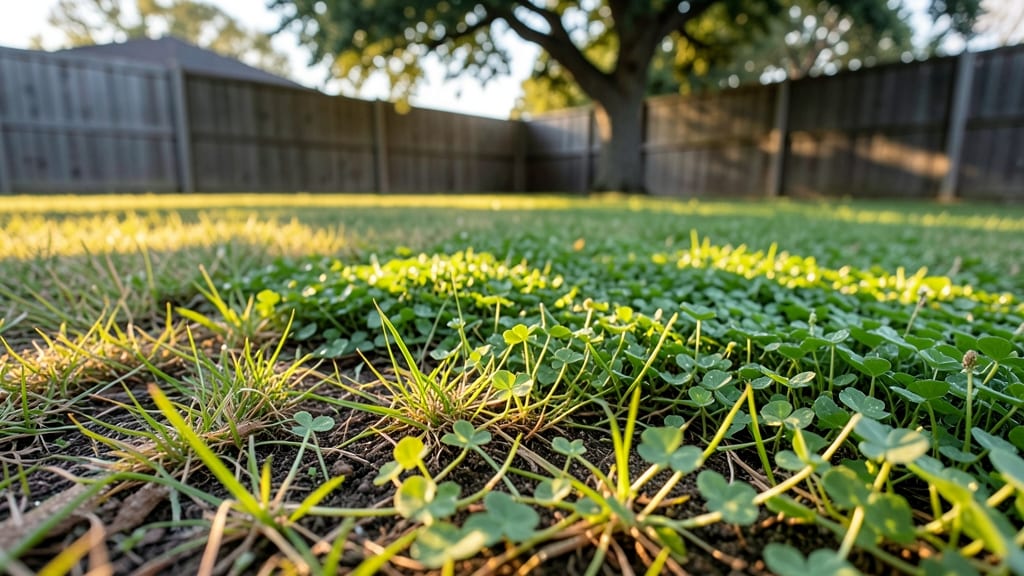
Tired of battling stubborn chickweed in your lawn? These natural removal methods eliminate this invasive weed without harsh chemicals, restoring your grass to its lush, healthy state while supporting eco-friendly gardening practices.
Manual Pulling During Early Growth Stage
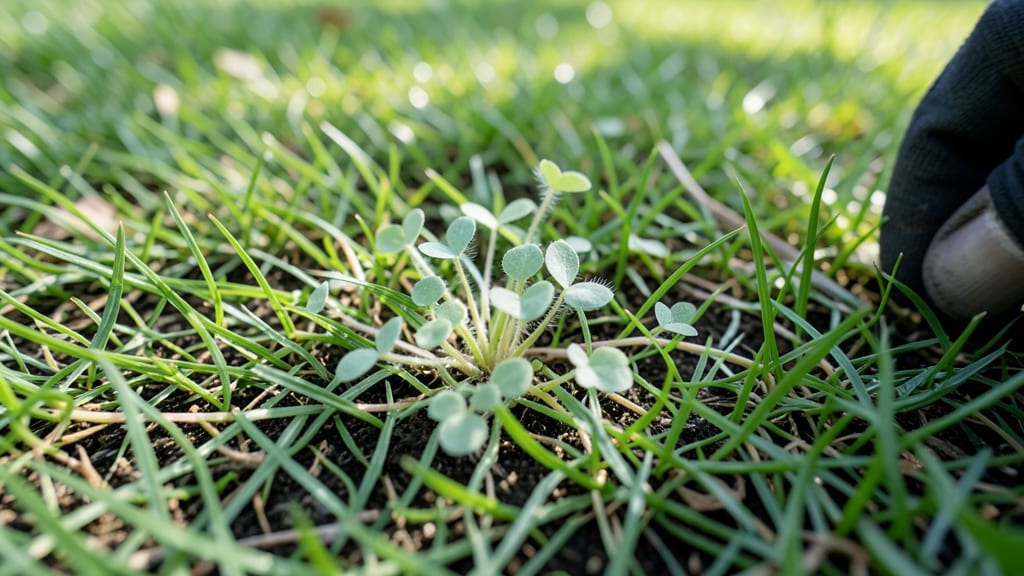
When chickweed first appears as tiny, delicate leaves in your lawn, manual pulling is your most effective weapon—before it spreads and becomes a stubborn problem. This method works best when the weed is still young and tender, making it easy to remove by hand without disturbing your grass roots.
Grab a pair of gardening gloves and pull chickweed when the soil is moist (after rain or watering) to avoid breaking the stems. Focus on small lawns or spot treatment—this approach prevents seed spread and requires minimal tools. For best results, pull weeds early in the morning when they’re hydrated and pliable.
This technique is perfect for beginners or eco-conscious gardeners who want a chemical-free solution. Just 15 minutes of focused pulling can make a noticeable difference in keeping your lawn weed-free. 🌱
Vinegar-Based Herbicide Spray Solution
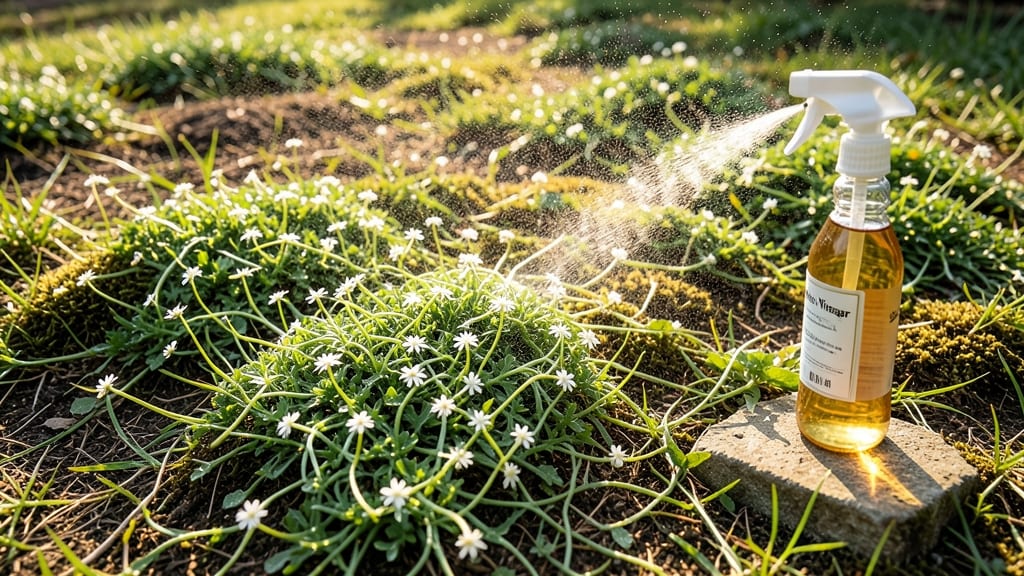
When chickweed takes over large patches of your lawn, reaching for a vinegar-based herbicide spray is a game-changer—it’s fast, effective, and completely free from synthetic chemicals. This simple solution targets chickweed on contact, breaking down its cell structure within hours while leaving your grass unharmed if applied correctly.
Mix one gallon of white vinegar (5% acidity) with one tablespoon of dish soap (to help it cling to leaves) and apply on a dry, sunny day for best results. The spray works immediately, but wait 24 hours before letting pets or kids back on the lawn to ensure full safety. For stubborn infestations, reapply every 3-5 days until the chickweed disappears completely.
This method is ideal for eco-conscious gardeners with kids or pets, offering a non-toxic alternative that still delivers professional-level results. 🌿
Corn Gluten Meal Pre-Emergent Treatment
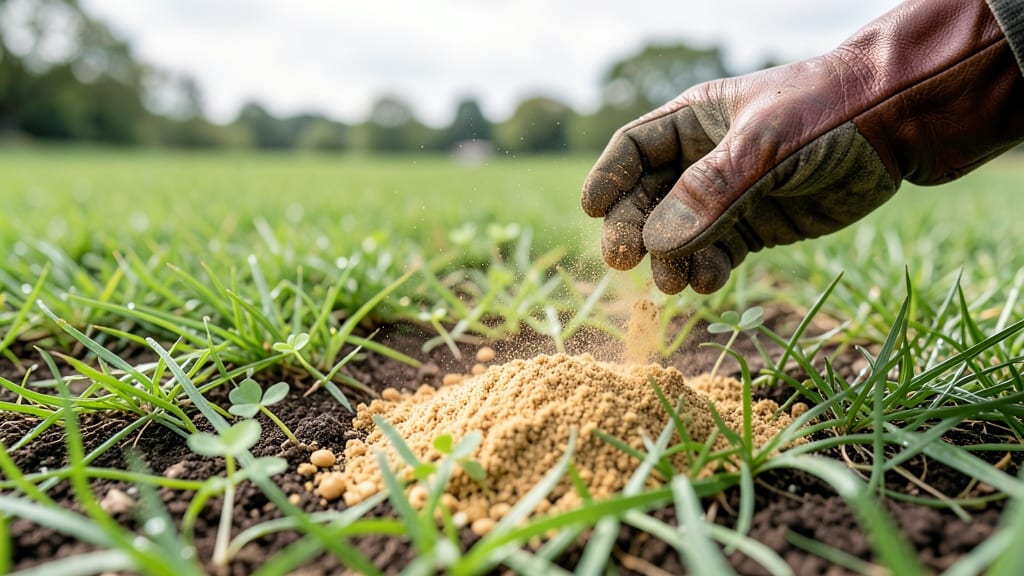
If you want to stop chickweed before it starts, corn gluten meal is your secret weapon. This organic byproduct from corn processing doesn’t just kill existing weeds—it prevents chickweed seeds from germinating in the first place, making it a game-changer for proactive lawn care.
Apply 20 pounds per 1,000 square feet in early spring (just before seeds sprout) or fall (after grass stops growing). Water lightly afterward to activate the pre-emergent properties. While it won’t kill established weeds, it’s a zero-toxicity way to protect your lawn for up to 4-6 weeks per application. Perfect for organic gardeners who want to avoid synthetic chemicals entirely.
This method is especially great for new lawns or areas where chickweed has been a recurring problem. Just remember: it works best as a preventive measure, not a cure-all for existing infestations. 💚
Boiling Water Spot Treatment
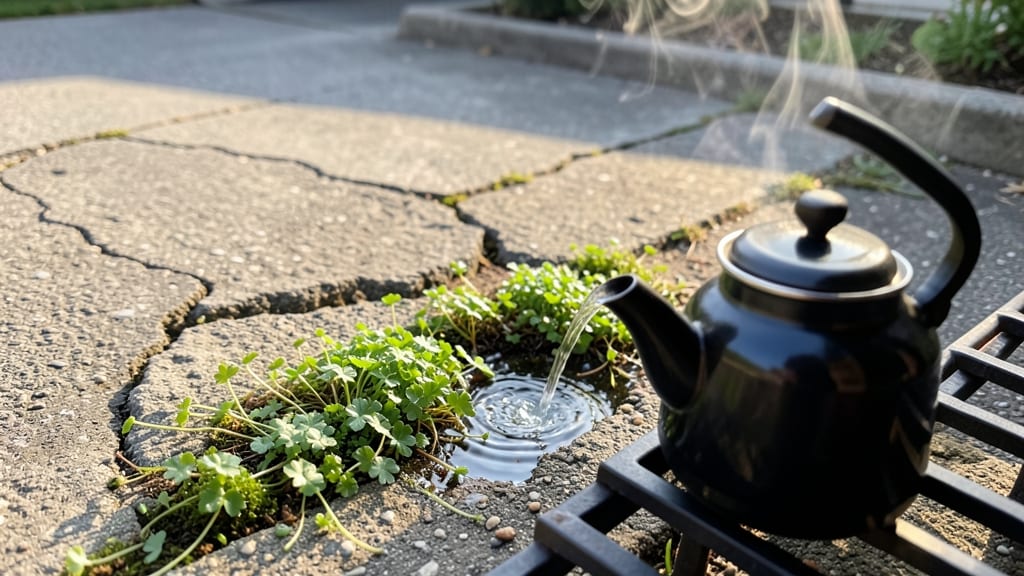
When chickweed invades your driveway cracks or sidewalk edges, boiling water delivers an instant, chemical-free solution. This method is perfect for urban gardeners or homeowners who need a fast fix without disrupting nearby plants or soil health.
Simply boil water, pour it directly onto the localized chickweed patches, and watch the weeds wilt within minutes. The high temperature kills the plant on contact, including its roots, preventing regrowth. Use this spot treatment on hard surfaces like concrete or asphalt where other methods might be impractical.
This approach is ideal for quick fixes in tight spaces, requiring nothing more than a kettle and a few minutes of your time. It’s especially useful for weekend warriors who want to tackle weeds without heavy equipment or chemicals. ✨
Smothering with Cardboard or Newspaper
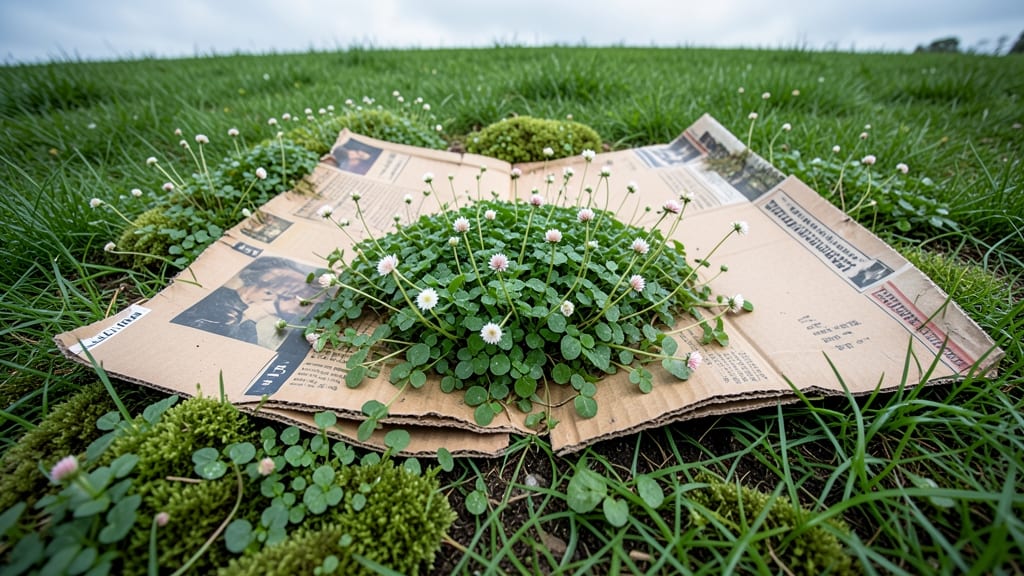
When your lawn has heavily infested chickweed patches that refuse to budge, smothering with cardboard or newspaper is your secret weapon. This zero-waste method blocks sunlight, starving the weeds while breaking down into nutrient-rich compost over time—turning a problem area into fertile ground for new grass.
Lay down 2-3 layers of cardboard or newspaper (printed with soy-based ink only) over the affected area, overlapping edges to seal out light. Secure with rocks or mulch to prevent wind damage, and wait 4-6 weeks for the chickweed to die. This works best in bare spots or before reseeding, as the decomposing material improves soil structure.
Perfect for eco-conscious gardeners or those prepping lawns for spring, this method eliminates chickweed without chemicals while giving your soil a nutrient boost. 🌱
Saltwater Solution for Targeted Areas
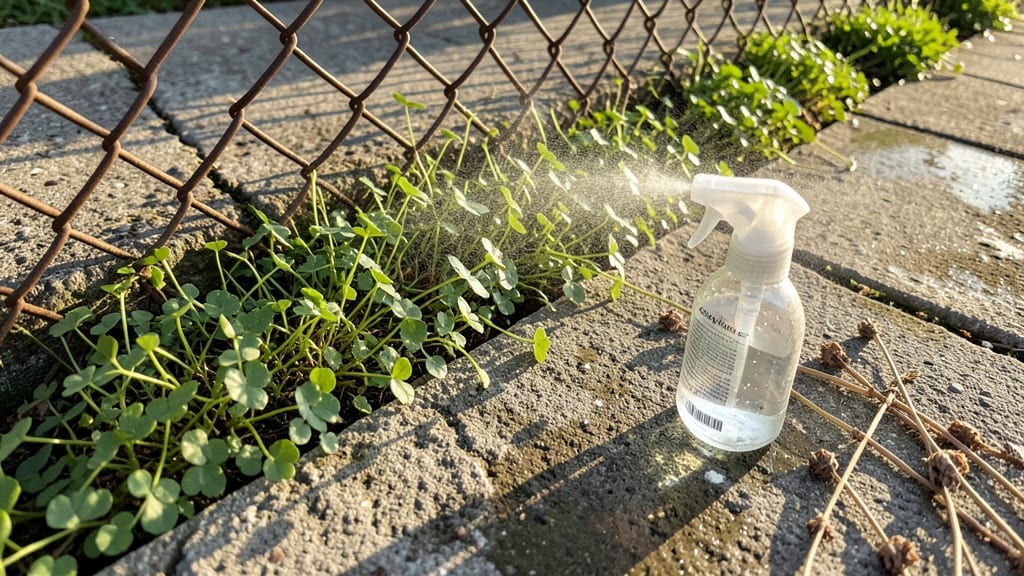
When chickweed takes root in tight spaces like between pavement slabs or along fence lines, reaching it with your hands—or even a spray bottle—can feel impossible. A saltwater solution acts as a precision weapon, dehydrating weeds on contact while leaving surrounding plants unharmed when used carefully.
Mix 1 tablespoon of non-iodized salt per quart of warm water and apply directly to chickweed with a small spray bottle or eyedropper. The salt disrupts the weed’s cellular structure, causing it to wither within 24-48 hours. For hard-to-reach cracks, use a pipette or squeeze bottle to target only the affected areas—avoid overspray on desirable plants.
This method is perfect for urban gardeners or anyone with limited mobility, as it requires no bending or heavy equipment. Just remember: saltwater is strongest in dry conditions, so apply on a warm, sunny day for best results. 💪
Dandelion Vinegar Spray Alternative
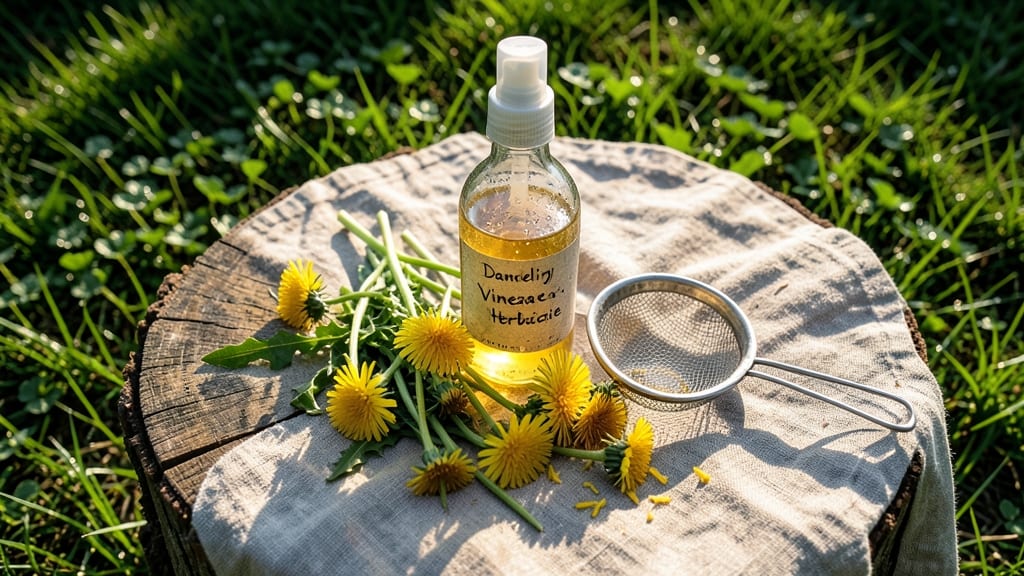
If your yard already has dandelions, you’re halfway to a free, potent chickweed killer. This dandelion vinegar spray leverages the natural acetic acid in dandelion flowers to create a targeted herbicide—no synthetic chemicals required.
Start by harvesting full-bloom dandelion flowers (avoid treated lawns) and steeping them in white vinegar for 2–4 weeks in a sealed jar. Strain, mix with a few drops of dish soap (as a surfactant), and transfer to a spray bottle. Apply directly to chickweed on a sunny day—the spray works best when the weeds are actively growing. Reapply every 1–2 weeks until chickweed dies back.
This method is ideal for DIY gardeners who want to repurpose "weeds" into solutions, especially if you’re already dealing with dandelions. It’s pet-safe once dry and leaves no harmful residue. 🌿
Mulching with Straw or Wood Chips
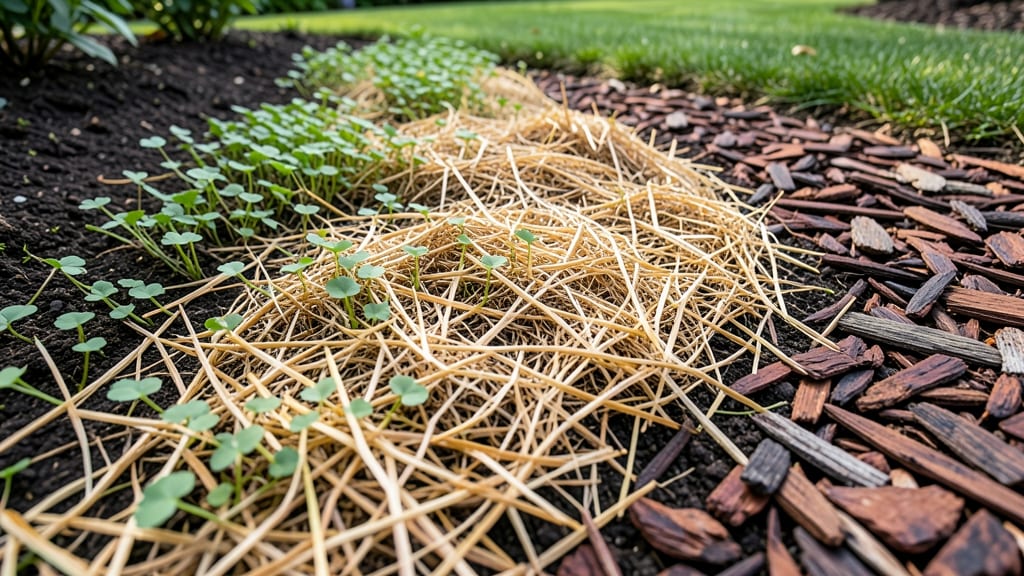
Want to stop chickweed before it starts? Mulching with straw or wood chips is your secret weapon—it smothers chickweed seeds by blocking sunlight while improving your soil’s health. This method works best in garden beds or new lawns, where chickweed loves to take root.
Spread a 2-3 inch layer of straw or wood chips over bare soil after tilling or planting. The mulch creates a physical barrier that prevents chickweed seeds from germinating, while also retaining moisture and gradually decomposing to enrich the soil. For best results, replenish the mulch layer every 3-6 months to maintain its weed-blocking power.
This approach is perfect for organic gardeners and beginners—it’s low-maintenance, chemical-free, and doubles as a soil conditioner. Once established, your lawn or garden will stay chickweed-free with minimal effort. 🌿
Duck or Goose Grazing Control
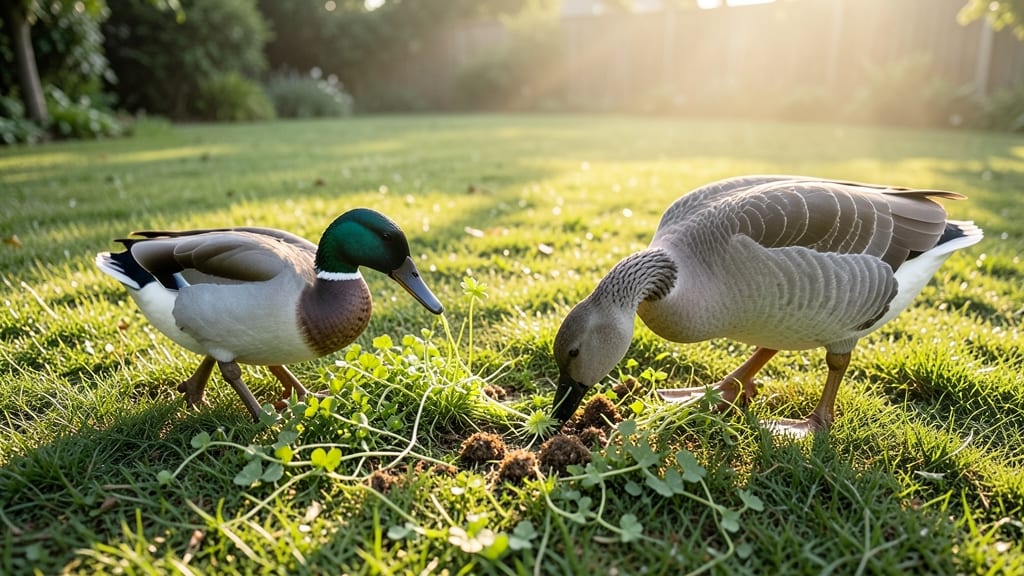
If you have ducks or geese wandering your property, you already have a built-in chickweed eradication team! These feathered helpers adore snacking on the tender greens while simultaneously fertilizing your lawn with their natural droppings.
Release them in the early morning when chickweed is most succulent, and they’ll happily graze for 1-2 hours before heading back to their coop. A flock of 6-8 ducks can clear a 1,000-square-foot lawn in a single session, leaving behind nutrient-rich manure that boosts grass growth. Just ensure they have access to water nearby to prevent overgrazing.
This method is perfect for rural homesteads or large properties where poultry is already part of the ecosystem. It’s a zero-waste, chemical-free solution that turns a potential pest into a helpful ally. 🌱
Preventive Overseeding with Clover Mix

When your lawn feels like a battleground against chickweed, the solution might be simpler than you think: overseeding with clover. This isn’t just about filling bare spots—it’s about creating a dense, competitive ground cover that starves out chickweed before it takes hold, especially in those tricky shade-prone areas where grass struggles.
Choose a clover mix (like Dutch white clover) or a dense grass blend for your overseeding project. Spread seeds in early fall when soil temps are cool—this gives new plants time to establish roots before winter. Water lightly for the first 2 weeks to help germination, then let nature do the work. The clover’s rapid growth and deep roots will outcompete chickweed for sunlight and nutrients, leaving your lawn thick and weed-resistant.
This method is perfect for eco-conscious gardeners and those with partial shade, offering a low-maintenance way to crowd out weeds while adding nitrogen to the soil. Once established, your lawn will look fuller and healthier—with chickweed nowhere in sight. 🌱