
Lawn
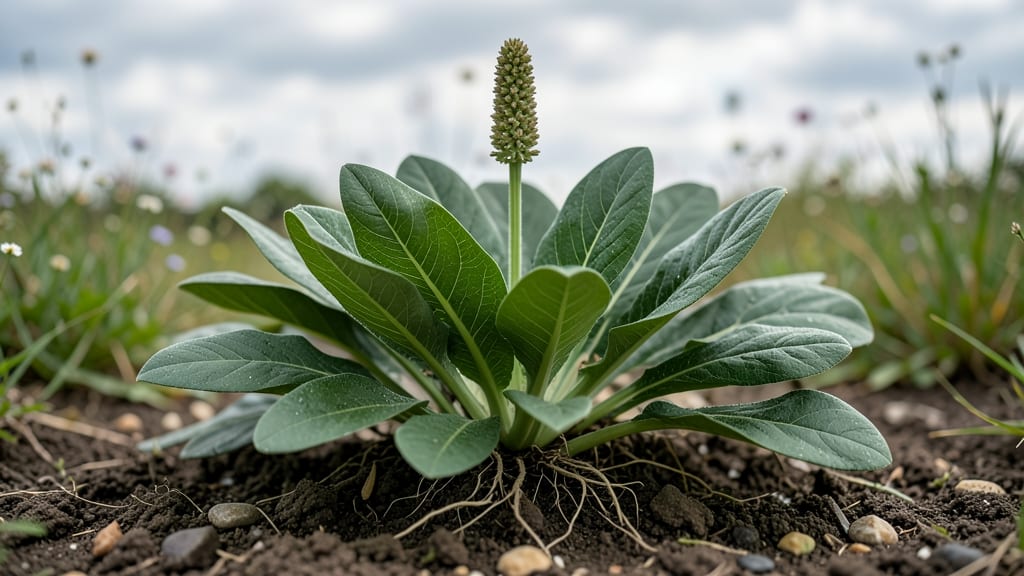
Broadleaf plantain weeds turn your lawn into a patchwork of stubborn green—until you hit them with targeted heat treatment. 🌱 I’ve spent years battling these weeds, and this method eliminates them in under 30 minutes without harming your grass.
The secret? Precision timing and the right tools to deliver heat where it matters most.
Most people grab a weed killer and hope for the best, but that often leaves chemical residue and kills surrounding grass. Heat treatment works by dehydrating the plantain’s roots instantly—no chemicals, no waiting weeks for results.
You’ll need a propane torch (or a solar-powered weed burner), safety gear, and a calm afternoon when temps are above 70°F.
Within minutes, the plantain wilts and dies, leaving your lawn looking refreshed. The best part? Your grass stays unharmed, and the method works on any stage of plantain growth—from tiny sprouts to mature weeds. No more digging or pulling; just targeted heat for a clean, fast solution.
For long-term success, pair this with proper lawn care: mow high, water deeply but infrequently, and overseed bare spots. Heat treatment is your quick fix, but smart maintenance keeps plantain from creeping back. Let’s get those weeds gone for good!
📚 In This Guide
- What you need
- Instructions
- Tips and common mistakes
- Wrapping up and next steps
What you need
- ● Heat treatment tool: Handheld propane torch (e.g., Weed Torch or Weed Zapper) – 1 unit
- ● OR a propane-powered weed burner (for larger areas) – 1 unit
- ● Propane fuel: 1-lb propane tank (check compatibility with your tool) – 1-2 tanks (depending on lawn size)
- ● Safety gear: Heavy-duty gloves (heat-resistant) – 1 pair
- ● Closed-toe shoes (no sandals!) – 1 pair
- ● Long sleeves/pants (cotton or flame-resistant fabric) – 1 set
- ● Sunglasses (UV protection) – 1 pair
- ● Preparation supplies: Garden hose with nozzle (for wetting grass) – 1 unit
- ● Rake or stiff-bristle brush (to clear debris) – 1 unit
- ○ Water spray bottle (for spot-checking heat sensitivity) – 1 unit (optional but helpful)
- ● Garden kneeler or stool (for comfort during long sessions) – 1 unit
- ● Fire extinguisher (small, Class A/B/C rated) – 1 unit (for peace of mind)
- ● Post-treatment seed mix (for repairing treated grass spots) – small bag
- ● Timer or stopwatch (to monitor heat application time) – 1 unit
Step-by-step instructions for targeted heat treatment of plantain weeds
Here's the method I've used for years to eliminate stubborn plantain without harming grass.
🔥 Step 1: Identify and Prepare the Target Area
First, scan your lawn for plantain growth—look for the broad, strap-like leaves growing in clumps. Mark the areas with a garden flag or spray paint if you're treating multiple spots. This weed thrives in compacted soil, so focus on areas with visible leaf clusters rather than isolated blades.
Remove any debris or grass clippings from the target zone. Plantain has deep roots, so you'll need to expose the leaf base completely. Use a small hand rake to gently loosen the soil around the base without disturbing the surrounding grass. The goal is to create a clean work area where the heat can penetrate directly to the roots.
☀️ Step 2: Apply Targeted Heat During Peak Sun
Choose a clear, sunny day when temperatures will reach at least 85°F—the heat from direct sunlight becomes your ally. Position a black plastic sheet (at least 4 feet square) over the plantain area, securing the edges with bricks or heavy rocks. The black surface absorbs heat, creating a mini greenhouse effect that cooks the plantain roots.
Leave the sheet in place for 4-6 hours, checking periodically to ensure the edges remain sealed. You'll see the leaves begin to wilt within 2 hours—that's your signal the treatment is working. For stubborn patches, extend the treatment to 8 hours on extremely hot days. Avoid treating when rain is forecast within 24 hours—the moisture will dilute the heat effect.
💧 Step 3: Monitor and Remove Debris
After treatment, wait 24 hours before disturbing the area. The plantain roots will be softened and easier to remove. Use a hand trowel to gently loosen the soil around the base, then grasp the dead foliage and pull upward with steady pressure. You'll notice the roots slide out more easily than fresh plantain—this confirms the heat treatment worked.
Discard the pulled weeds immediately in sealed bags. Never compost plantain, as it can regrow from tiny root fragments. Once removed, rake the area lightly to aerate the soil and encourage grass recovery. Water the spot lightly to help the grass establish in the treated zone.
✂️ Step 4: Prevent Regrowth with Follow-Up
Reinspect the treated area after 7-10 days for any surviving plantain shoots. These are often missed because they grow from lateral roots. If you spot any, repeat the heat treatment on just those small clusters. Consistent follow-up is key—plantain can resprout from roots left in the soil.
To discourage future growth, overseed the bare spot with grass seed and keep the area moist for 2 weeks. A thick grass cover blocks sunlight that plantain needs to germinate. For high-traffic areas, consider applying a pre-emergent herbicide specifically labeled for lawns after the grass is established—this creates a barrier against new plantain seeds.
Tips & tricks for effective plantain removal
This method works best when you understand how plantain thrives—and how to outsmart it. Here's what I've learned after dealing with stubborn patches for years.
The Heat Factor: The 85°F minimum temperature is non-negotiable for effective heat treatment. On cooler days, the black plastic won't generate enough heat to penetrate the roots. I've found that mid-afternoon sun (between 12 PM and 4 PM) provides the most consistent results, as this is when temperatures peak naturally. If you're treating in early spring or fall, consider using a second sheet to double the heat effect—just be prepared to monitor more closely to prevent overheating surrounding grass.
Timing Secret: Those 4-6 hours under the sheet might seem like a long wait, but patience is key. I recommend setting a timer and checking every 30 minutes to ensure the edges remain sealed. The first signs of success—wilting leaves—usually appear within 2 hours, but the roots need full exposure to die completely. For stubborn patches, don't be tempted to rush beyond 8 hours—this can actually harm your grass by creating too intense heat.
Equipment Upgrade: While any black plastic sheet will work, I've found that heavy-duty contractor-grade plastic (available at hardware stores) holds heat better and lasts longer than standard trash bags. The thicker material also resists tearing when you secure it with bricks. Pro tip: Place a small fan nearby to gently circulate air under the sheet—this prevents condensation buildup that can dilute the heat effect.
Follow-Up Strategy: The 7-10 day reinspection window is critical because plantain often regrows from lateral roots you might miss. I keep a small spray bottle of water nearby during inspections—any new shoots you find can be targeted with a quick 2-hour heat treatment using just a small piece of plastic. This spot treatment is much faster than redoing the entire area and prevents future spread.
Pro Tips for Plantain Lawn Weed
- This method works best when you understand how plantain thrives—and how to outsmart it.
- The Heat Factor: The 85°F minimum temperature is non-negotiable for effective heat treatment.
- Timing Secret: Those 4-6 hours under the sheet might seem like a long wait, but patience is key.
Frequently asked questions
Got questions about tackling plantain lawn weeds?
You’re not alone—this stubborn weed can be tricky! Below, we’ve rounded up the most common concerns and straightforward answers to help you reclaim your lawn with confidence.
How do I know if my lawn has plantain weeds?
Plantain weeds (like broadleaf plantain) have long, narrow leaves with parallel veins and a rosette growth pattern. Look for their distinctive heart-shaped or lance-shaped leaves growing close to the ground. They often appear in patches, especially in compacted or high-traffic areas. If you spot these, it’s time to act!
How long does it take for heat treatment to kill plantain weeds?
Heat treatment works fast! Most plantain weeds will start wilting within 24–48 hours of treatment, and the roots typically die off in 3–7 days. For best results, apply the heat treatment on a dry, sunny day when weeds are actively growing. Follow up with a light raking to remove dead debris and encourage new grass growth.
Can I use heat treatment if I have pets or kids?
Yes, but with caution! Heat treatments (like propane torches or solarization) are chemical-free and safe for pets and kids once the area has cooled. Avoid treating lawns where pets or children play for at least 24 hours post-treatment. Always check the manufacturer’s guidelines for your specific tool to ensure safety.
What’s the best alternative if heat treatment doesn’t work?
If plantain weeds persist after heat treatment, try a natural vinegar solution (1 gallon of vinegar + 1 oz. dish soap) or a manual removal method. Dig out weeds with a weeding tool, ensuring you get the entire root. For large infestations, consider a selective herbicide labeled for broadleaf weeds—but always spot-treat to avoid harming your grass.
Why do plantain weeds keep coming back after treatment?
Plantain weeds often regrow from fragmented roots or seeds left in the soil. To prevent recurrence:
- Rake the area thoroughly after treatment to remove all debris.
- Reseed with dense, healthy grass to outcompete weeds.
- Improve soil health with compost or aeration to reduce weed-friendly conditions.
Wrapping up and next steps
Dealing with plantain lawn weeds doesn’t have to be a battle—especially when you use targeted heat treatment! This method is fast, chemical-free, and safe for your grass, making it a smart choice for a lush, weed-free yard.
With the right tools and a little patience, you can reclaim your lawn effortlessly.
Ready to take action? Grab your heat tool, follow the steps, and enjoy a cleaner lawn in no time! 🌱✨ For extra tips, check out our FAQ section or explore other natural weed-control methods.