
Container Gardens
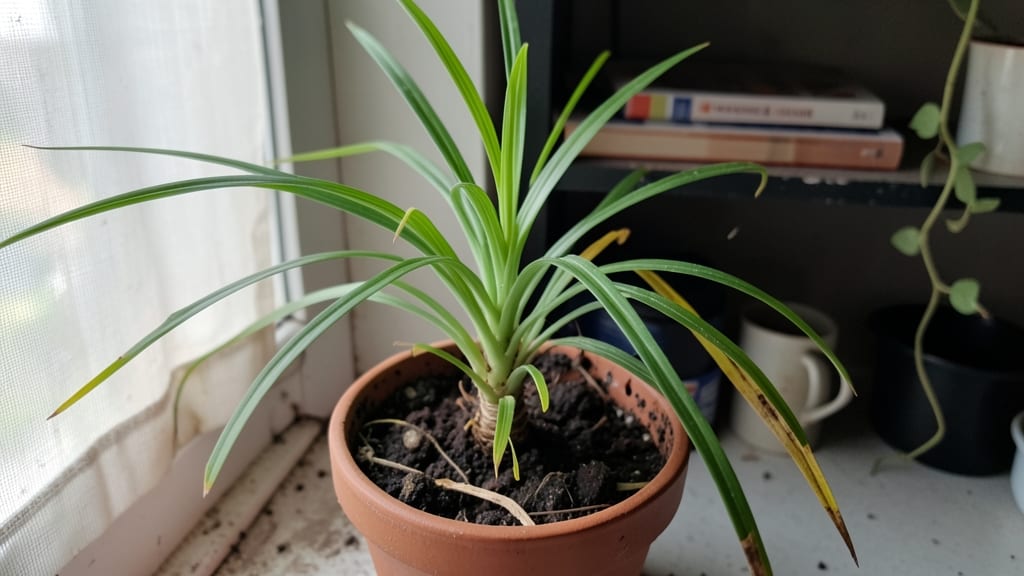
Lemon grass can grow indoors successfully with bright indirect light, well-draining soil, and consistent warmth. Use a container with drainage holes, water when the top inch of soil dries, and trim stalks to encourage bushier growth. Avoid cold drafts or direct sunlight to prevent stress or browning.
Indoor lemon grass thrives when you mimic its tropical origins—think of it as a sun-loving houseplant with specific needs. 🌱 The key is balancing bright, filtered light (like an east-facing window) with protection from harsh rays, which can scorch the leaves.
I’ve found that placing it near a kitchen or bathroom window works wonders, especially if you supplement with a grow light during shorter winter days. Humidity also plays a role, so misting the leaves or using a pebble tray can prevent the tips from drying out or turning brown.
What’s interesting is how quickly lemon grass responds to care—regular trimming at the base encourages new shoots, while consistent moisture (but never soggy soil) keeps the roots happy. Unlike outdoor plants, indoor lemon grass grows slower but stays productive for months with the right setup.
Just remember: patience is key when waiting for those 3-4 foot stalks to mature indoors!
💡 In This Article
- Optimal Indoor Conditions for Lemon Grass Growth
- Step-by-Step Indoor Lemon Grass Container Setup Guide
Optimal indoor conditions for lemon grass growth
Lemon grass originates from tropical regions where it thrives in 6-8 hours of bright, indirect sunlight daily. Indoors, this translates to positioning near east or north-facing windows where light intensity mimics its natural habitat.
The plant's leaves contain essential oils that require photosynthesis to develop properly—too little light results in pale, weak stalks, while too much direct sun causes leaf burn. I've noticed that even with artificial grow lights (12-15 inches away), plants maintain their vibrant green color and robust growth patterns.
The ideal temperature range for indoor lemon grass is 60-85°F, with roots preferring slightly warmer conditions. This warmth stimulates root respiration and nutrient uptake, which directly affects stalk thickness and oil production.
In cooler homes (below 60°F), growth slows dramatically, and leaves may develop brown tips—a clear sign of stress. What's fascinating is how humidity interacts with temperature: at 60% humidity or higher, the plant's waxy leaf coating remains intact, preventing moisture loss.
Below this threshold, leaves curl and dry out, mimicking outdoor drought conditions.
Indoor environments often lack the natural humidity of tropical climates, which is why I recommend grouping plants together or using a humidifier near your lemon grass. The plant's roots also benefit from slightly acidic soil (pH 5.5-6.5), which enhances nutrient absorption.
Unlike outdoor plants that develop extensive root systems in loose soil, indoor lemon grass grows best in 6-8 inch deep containers with drainage holes to prevent root rot—a common issue when water pools at the bottom.
One key difference between indoor and outdoor growth is the plant's response to space. Outdoors, lemon grass spreads aggressively via rhizomes, while indoors it focuses energy on vertical growth when confined to pots.
This is why regular trimming (every 4-6 weeks) is crucial—it redirects energy toward bushier, more productive stalks. The plant's growth rate indoors averages 6-12 inches per month with optimal care, compared to 18-24 inches outdoors in ideal tropical conditions.
For those in apartments or low-light spaces, consider these adjustments: supplement natural light with LED grow lights for 12-14 hours daily, use clear plastic wrap over pots to retain humidity, and rotate the container weekly for even light exposure.
The science behind these tweaks reveals how lemon grass adapts its metabolic processes to indoor environments—though never as efficiently as in its native tropical setting. 💫