
Watering
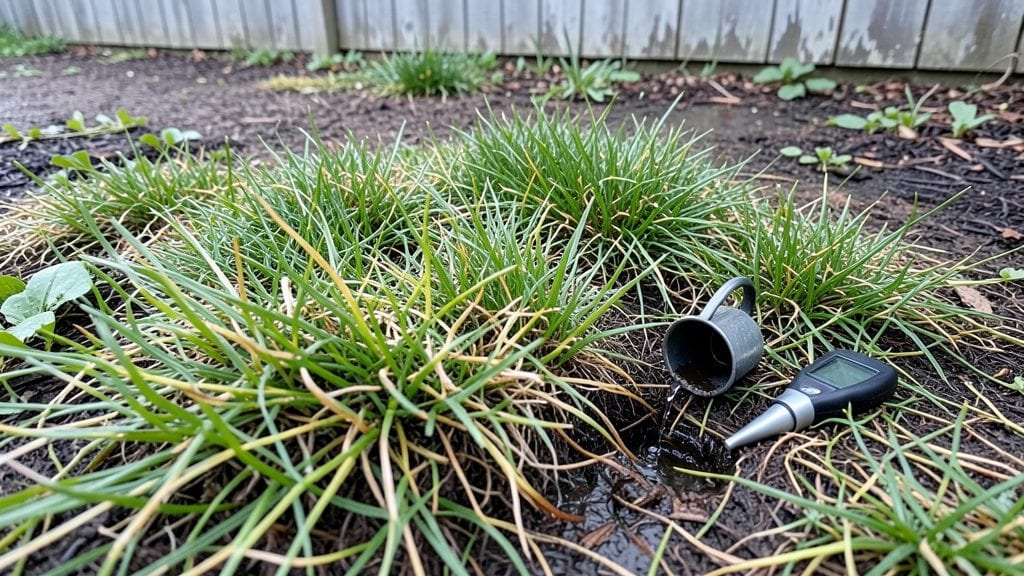
Grass can absolutely be overwatered, leading to yellowing, fungal growth, and root suffocation when waterlogged for prolonged periods. Signs include spongy turf, moldy smells, and clumps pulling away from soil. Reduce watering immediately and improve drainage to recover.
Too much water actually chokes grass roots by displacing oxygen, creating a suffocating environment that invites fungal diseases like brown patch or dollar spot. 🌱 I’ve seen lawns turn into soggy, smelly messes when water pools for days—even worse than drought stress—because the roots can’t breathe.
The real kicker? Overwatering washes away nutrients faster than grass can absorb them, leaving your yard weak and patchy.
If you’re dealing with heavy clay soil, consider aerating to break up compaction and mixing in coarse sand to help water drain. I’ve had the best luck with tall fescue or Kentucky bluegrass varieties—they handle moisture fluctuations better than thin-bladed grasses.
And remember: morning watering is key, as it gives roots time to dry out before nightfall fungi strike.
💡 In This Article
- How Overwatering Damages Grass Roots and Soil
- Fixing Overwatered Grass: Step-by-Step Recovery Guide
How overwatering damages grass roots and soil
When grass sits in soggy conditions, the roots suffocate because water displaces the oxygen they need to breathe. Think of it like holding your breath underwater—after 48 hours without oxygen, roots start dying from a condition called anaerobic stress.
This creates the perfect breeding ground for harmful microbes like Fusarium and Rhizoctonia, which cause root rot and fungal diseases that turn lawns brown and slimy.
The damage doesn’t stop there—excess water leaches essential nutrients like nitrogen and potassium right out of the soil. A single heavy watering can wash away up to 30% of available nitrogen, which grass needs to stay green and grow.
Meanwhile, the soil particles compact, crushing the tiny air pockets roots rely on. This is why overwatered lawns often feel spongy when you walk on them—they’re essentially drowning in their own moisture.
Here’s the kicker: most grasses thrive when the soil moisture is between 20-30% by volume. Anything above 40% moisture for more than 24 hours starts stressing the roots. That’s why clay-heavy soils are especially dangerous—they hold water like a sponge, keeping roots waterlogged for days.
Even sandy soils can become problematic if watered too frequently, as they struggle to drain excess moisture quickly enough.
🌱 What most people don’t realize is that overwatering also disrupts the soil’s microbial balance. Beneficial bacteria and fungi that help break down organic matter and cycle nutrients get crowded out by anaerobic conditions.
This creates a vicious cycle: fewer good microbes mean weaker roots, which makes the grass even more vulnerable to disease. The result? A lawn that looks healthy on top but is actually rotting from the roots down.
To put it in perspective, imagine your lawn’s roots are like a network of straws sucking up water and nutrients. When the soil stays too wet, those straws clog up, and the whole system grinds to a halt.
Even worse, the excess water creates a perfect environment for mold and mildew, which is why you might notice that musty smell after heavy rains or overwatering. The key to recovery? Getting that moisture level back in balance—usually by letting the top 2-3 inches of soil dry out between waterings.
One of my biggest lessons came from a neighbor’s lawn that turned into a swamp after their sprinklers malfunctioned for a week. The grass turned yellow, then gray, and within 10 days, we could pull up clumps of turf like wet cardboard.
The roots were mushy and smelled like wet socks—a classic sign of anaerobic decay. The fix? We aerated the soil, added coarse sand to improve drainage, and switched to a deep-and-infrequent watering schedule.
It took 6 weeks to see real improvement, but the lesson stuck: less is often more when it comes to watering grass.