
Lawn
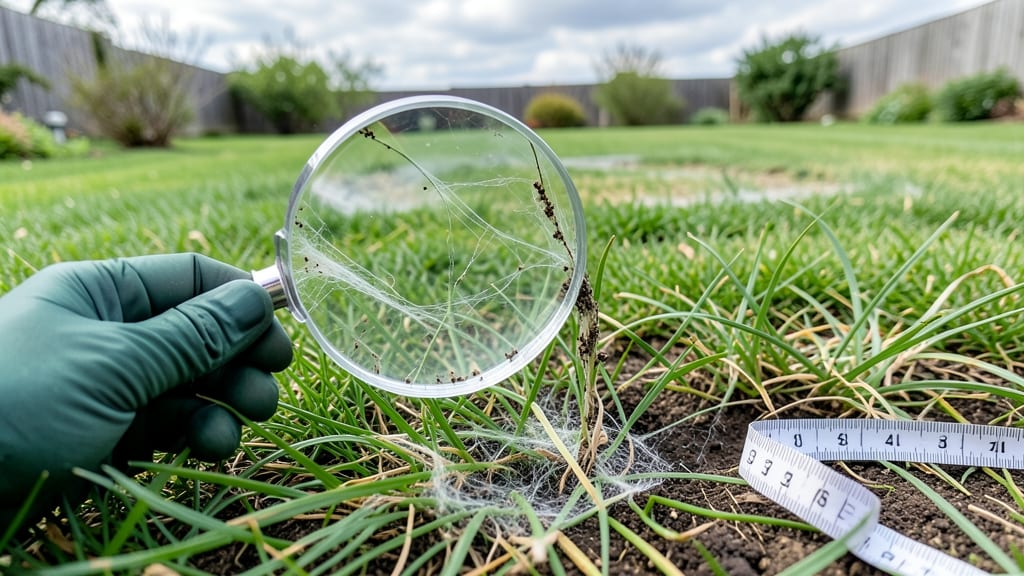
Those stubborn dark green patches on your lawn aren’t just unsightly—they’re your grass’s secret SOS signal. 🌱 I’ve spent years watching patches like these spread, only to realize they’re often a mix of overfeeding, fungal hitchhikers, or drainage drama.
The good news? Most can be fixed with the right diagnosis and a little targeted care.
Think of it like a doctor’s visit for your lawn: first we check the symptoms (is it slimy? Does it smell funky?), then we prescribe either a fertilizer tweak, a fungal spray, or maybe just better water habits.
My first patch turned around in just 3 weeks once I stopped dousing it with nitrogen-heavy lawn food.
By the end, your lawn will look uniformly vibrant, with no more mysterious green splotches stealing the show. The secret is matching the treatment to what’s actually causing the problem—not just throwing products at it. We’ll cover how to tell them apart.
Works for both cool-season and warm-season grasses, whether your yard is a sunny expanse or a shady corner. Let’s get that lawn back to looking like a well-oiled machine again.
Why it happens
When your lawn starts showing dark green patches that stand out like a neon sign in a sea of regular green, it’s usually a sign that something’s off beneath the surface.
These patches aren’t just a cosmetic issue—they’re often a symptom of deeper problems affecting your grass’s health, growth, or even soil conditions. Let’s dig into the most common culprits and why they turn your lawn into a patchwork of colors.
Too much of a good thing can backfire when it comes to lawn care. If you’ve been applying high-nitrogen fertilizers or overdoing it with organic amendments like compost or manure, your grass may be getting a one-sided diet. Here’s how it happens:
- Excess nitrogen promotes rapid, lush top growth—but at the cost of root development. The grass blades grow faster than the roots can support them, leading to weak, shallow roots that struggle to absorb water and nutrients evenly.
- Imbalanced nutrients (like too much phosphorus or potassium without enough nitrogen) can cause localized "hot spots" where grass grows darker and thicker due to concentrated nutrients.
- Salt buildup from synthetic fertilizers can also stress surrounding grass, creating a stark contrast between fertilized and unfertilized areas.
💡 Pro Tip: Always follow the label instructions for fertilizer application rates, and consider a soil test to identify deficiencies before adding more nutrients. Slow-release or organic fertilizers can also prevent sudden nutrient spikes.
Water is the lifeblood of your lawn, but too much or too little can create dark green patches that look like they’re thriving—while actually signaling trouble. Here’s the science behind it:
- Overwatering leads to anaerobic soil conditions (lack of oxygen), which stresses grass roots. In response, the grass may grow faster and darker in areas where water pools, while the rest of the lawn struggles to keep up.
- Uneven watering (like sprinklers that don’t cover the entire lawn) can create "wet zones" where grass grows more vigorously due to excess moisture.
- Shade + water retention: Areas under trees or shrubs often stay damp longer, encouraging fungal growth or moss, which can turn grass an unnatural dark green or even brownish-black.
🔥 Action Step: Check your sprinkler system for uneven coverage and adjust watering schedules to deliver 1–1.5 inches of water per week, including rainfall. Early morning watering (before 10 AM) minimizes evaporation and fungal risks.
Dark green patches aren’t always a sign of overfeeding—they can also be a fungal party your grass didn’t invite. Fungi like dollar spot, brown patch, or even moss thrive in moist, shaded, or nutrient-rich conditions, altering the color and texture of your lawn:
- Dollar spot fungus creates small, dark green or grayish patches with straw-like centers. It loves high humidity and warm nights, often appearing in late summer or fall.
- Brown patch disease (common in St. Augustine or Bermuda grass) causes dark, water-soaked patches that may turn brown as the fungus spreads.
- Moss thrives in acidic, compacted, or shaded soil and can turn grass a dark green or even blackish color while choking out healthy turf.
🌡️ Quick Test: Gently pull up a sample of the dark grass. If you see thread-like fungal strands or a musty smell, you’ve got a microbial intruder. Improve air circulation, reduce watering, and apply a fungicide if needed.
If your lawn feels like a trampoline in some spots but is rock-hard in others, you might be dealing with soil compaction. Compacted soil smothers grass roots, forcing them to grow unevenly:
- Heavy foot traffic, pets, or machinery compresses soil, reducing oxygen and water penetration. Grass in compacted areas may grow darker and thinner as it struggles to access nutrients.
- Clay or dense soils naturally compact more easily, creating pockets where grass grows poorly or excessively in less-restricted spots.
- Thatched layers (a buildup of dead grass stems) can also suffocate roots, leading to patchy growth patterns.
✨ Fix It: Aerate your lawn in spring or fall to relieve compaction. Use a core aerator to pull out small soil plugs, then top-dress with compost or sand to improve drainage and root growth.
Not all grass is created equal—and sometimes, your lawn is sending you a mixed signal. Dark green patches can appear if:
- Different grass species are growing together (e.g., cool-season grass in a warm-season lawn or vice versa). These grasses have different growth rates and nutrient needs, leading to visible color differences.
- Newly germinated grass (from seeds or sprigs) may sprout in clumps, creating dark green "islands" that stand out until the rest of the lawn catches up.
- Creeping grasses or weeds (like crabgrass or nutsedge) can invade and grow faster than your lawn grass, turning patches an unnatural shade of green.
🎯 Solution: Identify the grass type in the patch (use a lawn identification guide or send a sample to a local extension office). If it’s a weed or unwanted grass, spot-treat with the appropriate herbicide. For new growth, thin it out to blend with the existing lawn.
Revive Your Lawn’s Vibrancy
Now that you know what’s causing those pesky dark green patches of grass on your lawn, it’s time to take action! The good news? Most fixes are simple, cost-effective, and can restore your lawn to its former glory in no time.
Below, we’ve mapped out practical solutions tailored to the root cause—plus prevention tips to keep your grass lush and even-toned.
Problem: Soggy soil or compacted roots from excess water create a perfect breeding ground for fungus, leading to those unsightly dark spots.
How to Fix It: ✅ 🔪 Adjust Your Watering Schedule
- Water deeply 2-3 times per week (early morning is best) instead of daily shallow sessions.
- Aim for 1–1.5 inches of water per week—use a rain gauge or tuna can to measure.
- 💡 Pro Tip: If your lawn feels spongy underfoot, you’re overwatering. Let the top 1–2 inches of soil dry out between waterings.
✅ 🏗️ Improve Soil Drainage
- Aerate compacted areas with a core aerator (rent one or hire a pro for large lawns).
- 🌡️ Add Organic Matter: Mix in 2–3 inches of compost or sand (for sandy soils) to break up compaction.
- 🎯 For Low Spots: Rake in a topsoil-sand mix to level the area and improve drainage.
✅ 🍄 Fungal Treatment (If Needed)
- If dark patches are mushroom-shaped or slimy, sprinkle baking soda or fungicide (like copper-based sprays) on affected spots.
- ⚠️ Avoid: Over-fertilizing—this feeds fungus! Stick to low-nitrogen fertilizers in fall.
Prevention:
- 🌧️ Install a French drain in chronically soggy areas.
- 🔄 Test soil pH (ideal: 6.0–7.0) and adjust with lime (to raise) or sulfur (to lower).
Problem: Too much (or too little) nitrogen, iron, or manganese can cause dark, almost blackened grass in patches.
How to Fix It: ✅ 📊 Soil Test First!
- Grab a DIY soil test kit ($10–$20) or send a sample to your local Cooperative Extension Service for a full analysis.
- 💡 Pro Tip: If your soil is clay-heavy, nutrients leach slowly—test before fertilizing!
✅ 👨🍳 Correct the Imbalance
- Low Nitrogen? Apply a slow-release granular fertilizer (like 24-0-4) in early spring or fall.
- Too Much Nitrogen? Stop fertilizing immediately and water deeply to flush excess nutrients.
- Iron/Manganese Deficiency? Use a chelated iron supplement (like Ironite) or Epsom salt (for magnesium) per package instructions.
✅ 🥗 Boost Microbes Naturally
- Spread compost tea or mycorrhizal fungi (available at garden centers) to improve nutrient uptake.
- ✨ Bonus: Overseed bare patches with shade-tolerant grass (like fine fescue) for a seamless fix.
Prevention:
- ⏰ Follow the 3-1-1 Rule: Apply fertilizer 3 times a year (spring, summer, fall) with 1 pound of nitrogen per 1,000 sq. ft.
- 🚫 Avoid: Weed-and-feed products—they can burn grass and worsen imbalances.
Problem: Grubs, chinch bugs, or fungal diseases (like brown patch) can leave dark, sunken, or spongy patches.
How to Fix It: ✅ 🔍 Identify the Pest/Disease
- Grubs? Dig up a patch—if you see white C-shaped larvae, treat with beneficial nematodes or milky spore powder.
- Chinch Bugs? Look for small black bugs on blades—use neem oil or insecticidal soap.
- Fungal Spots? If grass pulls up easily, it’s likely brown patch—apply fungicide with propiconazole.
✅ 🏥 Treat & Recover
- 🍄 For Fungus: Water in the morning (not at night) to reduce humidity.
- 🐜 For Grubs: Apply grub control in early summer (larvae are most vulnerable).
- 🌱 Reseed Damaged Areas: Once pests/disease are gone, overseed with tall fescue or Kentucky bluegrass.
Prevention:
- 🌿 Encourage Natural Predators: Plant marigolds or clover to attract ladybugs and ground beetles.
- 🌡️ Monitor Moisture: Fungal diseases thrive in hot, humid conditions—water early to let grass dry faster.
Problem: Dark patches in shady spots or clay-heavy soil can stunt grass growth, leading to uneven color.
How to Fix It: ✅ 🌳 Improve Light Exposure
- Trim overhanging branches to let 4–6 hours of sunlight reach the area.
- 💡 Pro Tip: If pruning isn’t an option, switch to shade-tolerant grass like creeping red fescue.
✅ 🏗️ Amend Heavy Clay Soil
- Mix in gypsum (for clay) or peat moss (for sandy soil) to improve aeration.
- 🔄 Top-Dress Annually: Spread a thin layer of compost (¼ inch) to feed roots gradually.
Prevention:
- 📅 Plant Perennials: Use hostas, ferns, or clover to break up monoculture and reduce stress on grass.
- 🌱 Overseed Thin Spots: Choose drought-resistant varieties like zoysia or buffalo grass for low-maintenance areas.
Final Reminder: Patience is key! Some fixes (like soil amendments) take 4–6 weeks to show results. Check back in 30 days to see your lawn’s transformation—spotless and vibrant! 🌿💚
Frequently asked questions
Why do my dark green patches feel spongy underfoot?
Spongy dark patches usually mean fungal infection (like brown patch) or grub damage. Dig up a small section—if you see white C-shaped larvae, it's grubs. If the grass pulls up easily with fungal threads, it's likely a disease. Both thrive in overwatered, compacted soil. Reduce watering immediately and treat with beneficial nematodes or fungicide.
Can I fix dark patches without chemicals?
Start with soil testing to check pH/nutrients. For fungal patches, try baking soda spray (1 tbsp per gallon of water) or neem oil. Improve drainage by aerating and adding compost. Overseed bare spots with shade-tolerant grass like fine fescue. Organic methods take 4-6 weeks but prevent chemical buildup.
How do I tell if dark patches are weeds or grass?
Pull up a small sample: weeds (like crabgrass) have broad leaves and shallow roots, while grass has thin blades with fibrous roots. Weeds often grow faster and taller than lawn grass. For identification, compare with a lawn weed guide or take a photo to your local extension office. Spot-treat weeds with vinegar (20% acetic acid) for organic removal.
Will my dog's urine cause dark green patches?
Yes! Dog urine is high in nitrogen, which burns grass and creates dark, crispy patches over time. Train your dog to use specific areas or dilute urine spots with water immediately. Apply compost or lime to neutralize soil pH. For severe cases, overseed with dog-friendly grass like tall fescue, which recovers better from urine damage.
How often should I check my lawn for these patches?
Inspect your lawn every 2-3 weeks during growing seasons (spring-fall). Look for color changes, spongy areas, or unusual textures. Early detection catches problems before they spread. After heavy rain or fertilizer applications, check within 48 hours—these are peak times for fungal growth or nutrient burn. Keep a simple lawn journal to track patch locations and treatments.