
Lawn
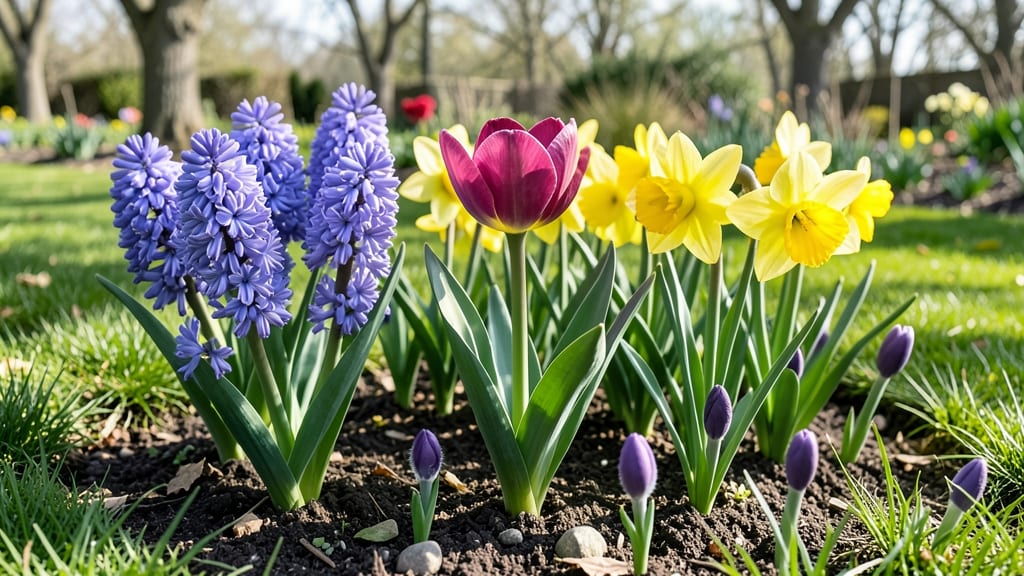
Planting bulbs in lawns transforms your yard into a year-round color show without battling weeds. 🌱 I’ve turned my patchy lawn into a blooming carpet by choosing the right bulbs—crocus, daffodils, and daylilies—that push through grass effortlessly.
The secret? Planting them deep enough so grass can’t smother them, yet shallow enough for quick visibility.
Start with 3-inch-deep holes spaced 4-6 inches apart, using a bulb planter or even a screwdriver. Amend the soil with compost to help roots establish faster, and water thoroughly after planting.
Most bulbs need minimal maintenance—just let the grass grow over them until blooms appear, then trim back after flowering to keep the lawn tidy.
By late spring, you’ll see bold splashes of color where grass once looked dull. The best part? These bulbs return year after year, multiplying naturally while staying hidden until their big reveal. No more weeding, no more fighting for space—just effortless beauty that pops up like magic.
For best results, group bulbs in clusters of 5-7 for a natural look, and avoid overcrowding. If grass grows too tall, a quick mow after blooming keeps things neat. This trick works in any lawn, from small patches to full yards—no green thumb required!
📚 In This Guide
- What you need
- Instructions
- Tips and common mistakes
- Wrapping up and next steps
What you need
- ● Spring-blooming bulbs: 10–20 bulbs per sq. ft. (e.g., Daffodils, Tulips, Crocus, or Allium—choose varieties labeled "lawn-tolerant" or "naturalizing").
- ● Fall-planting bulbs: 10–15 bulbs per sq. ft. (e.g., Hyacinths, Snowdrops, or Muscari for winter/spring blooms).
- ● Bulb fertilizer: 1 lb. per 100 sq. ft. (high in phosphorus, like 5-10-10 or 10-20-20).
- ● Compost or bulb-specific soil mix: 2–3 inches per planting area (improves drainage).
- ● Lawnmower with a high-setting blade: Adjust to 3–4 inches to protect emerging foliage.
- ● Garden hose or sprinkler: For thorough watering (1 inch per week, especially post-planting).
- ● Gloves and knee pads: For comfort during planting.
- ● Mulch (straw or shredded leaves): Light layer (¼ inch) to retain moisture and deter weeds.
- ● Bulb planter or trowel: For precise planting (especially in tight spots).
- ● Lawn weed killer (pre-emergent): Apply after blooming to prevent weed competition (choose bulb-safe options).
- ● Garden flags or stakes: Mark planting areas to avoid mowing mistakes.
- ● Drought-resistant bulbs: Like Fritillaria or Galanthus, for low-water zones.
How to plant and maintain lawn bulbs for season-long beauty
Transform your lawn into a vibrant, low-maintenance carpet of color by strategically planting bulbs that thrive beneath grass.
🌱 Step 1: Choose the Right Bulbs for Lawn Planting
Select small, hardy bulbs like crocus, daffodils, or grape hyacinths—these tolerate foot traffic better than larger varieties. Avoid tulips, which struggle with lawn mowing. I always opt for multi-year bloomers to minimize replanting efforts. Check the USDA hardiness zone for your area to ensure the bulbs will survive winter.
Look for bulbs labeled "lawn-friendly" or "naturalizing." These are bred to spread and return year after year. Bulbs like Tulipa 'Darwin Hybrid' or Narcissus 'Ice Follies' are proven performers. Avoid hybrid varieties that may not rebloom reliably.
⏰ Step 2: Time Planting for Optimal Growth
Plant bulbs in early fall, 6-8 weeks before the first frost. This gives roots time to establish before winter dormancy. For spring-blooming bulbs, aim for October or November in most climates. If you miss fall, plant in early spring—just be prepared for smaller blooms the first year.
Wait until soil temperatures drop below 60°F but haven’t yet frozen. Test with your finger: if the ground feels cool but workable, it’s time. Planting too early can encourage premature sprouting, while waiting too long may stunt root development.
🪴 Step 3: Prepare the Soil and Plant Correctly
Mark planting spots with a garden flag or string line to avoid disturbing the lawn later. Use a hand trowel to dig holes 3-4 inches deep—about 3 times the bulb’s height. Space bulbs 3-6 inches apart, depending on variety (smaller bulbs like crocus can be closer).
Place each bulb with the pointed end facing up. Cover with soil and gently firm it down to eliminate air pockets. Water deeply to settle the soil and encourage root growth. Avoid overwatering—bulbs rot easily in soggy conditions.
☀️ Step 4: Mow Strategically for Year-Round Success
Wait until after blooms fade to mow, allowing seed heads to develop (if you want natural spread). Set your mower to 3-4 inches high—this protects bulbs from being cut and allows grass to shade them in summer. I adjust my mower height in late spring to avoid damaging emerging foliage.
If bulbs struggle to emerge, thin the grass slightly by hand or use a lawn corer to create small holes. This improves airflow and light penetration. Fertilize the lawn lightly in fall to support bulb growth, but avoid high-nitrogen feeds that encourage grass overgrowth.
🌿 Step 5: Maintain Bulbs for Long-Term Blooms
Divide and replant bulbs every 3-5 years to prevent overcrowding. Dig up clumps in early fall, separate the bulbs, and replant the healthiest ones. Discard any soft or moldy bulbs—these won’t regrow. I replant in fresh spots to revive fading displays.
Apply a 2-3 inch layer of mulch (like shredded bark) around bulbs in late fall to insulate roots. This helps in colder climates where ground freezes deeply. Avoid mulching too early—bulbs need time to establish before winter protection.
Tips & tricks for perfect lawn bulb planting
Here's what nobody tells you about making your lawn bulbs thrive year after year—these are the secrets that separate a patchy display from a breathtaking spring carpet. Confession: I skipped the mulch step for years and wondered why my bulbs always struggled in cold winters.
Seasonal Timing Secret: The 6-8 week window before first frost is non-negotiable for spring bloomers, but here's the trick: check your local frost date calendar first. In warmer southern zones, you might need to plant as early as September, while northern gardeners can wait until mid-October. I always verify by testing soil temperature—it should be consistently below 60°F at planting time, not just the air temperature.
Planting Depth Precision: That 3-4 inch depth rule is perfect, but here's the breakthrough: measure from the base of the bulb, not the top. Smaller bulbs like crocus can go shallower (2-3 inches), while larger daffodils need the full 4 inches. I use a simple trick—hold the bulb next to a ruler when planting to ensure consistent depth across your entire lawn section.
Maintenance Strategy: The 3-5 year division schedule is ideal, but here's what I learned the hard way: mark your planting spots with landscape flags immediately after planting. These flags become invisible once grass grows, but they'll guide you exactly where to dig when it's time to divide. I've lost track of bulb locations twice—don't make my mistake!
Mulch Application: That 2-3 inch layer of mulch is crucial, but timing matters just as much. Apply it after the ground freezes but before heavy snowfall in your region. I've found shredded hardwood mulch works best—it breaks down slowly and provides excellent insulation without smothering the bulbs. Avoid pine straw, which can acidify the soil over time.
Pro Tips for Bulbs In Lawn
- Here's what nobody tells you about making your lawn bulbs thrive year after year—these are the secrets that separate a patchy display from a breathtaking spring carpet.
- Seasonal Timing Secret: The 6-8 week window before first frost is non-negotiable for spring bloomers, but here's the trick: check your local frost date calendar first.
- Planting Depth Precision: That 3-4 inch depth rule is perfect, but here's the breakthrough: measure from the base of the bulb, not the top.
Frequently asked questions
Got questions about adding bulbs to your lawn? You’re not alone! Here are some of the most common concerns—and their answers—to help you create a stunning, low-maintenance garden.
What’s the best time to plant bulbs in my lawn?
For spring blooms, plant bulbs like tulips or daffodils in fall (6-8 weeks before the ground freezes). Summer bulbs (e.g., dahlias) go in early spring. Planting early ensures roots establish before harsh weather—just avoid soggy soil or frost.
Will bulbs compete with grass for nutrients?
Yes, but the good news is you can control the competition! Plant bulbs in bare spots or use a lawn-safe bulb planter to create small pockets. For a fuller look, consider low-growing bulbs like crocus or grape hyacinths that peek through grass.
How deep should I plant bulbs in the lawn?
Most bulbs need 6-8 inches of soil coverage (double their height). Use a bulb planter or trowel to dig holes, place bulbs pointy-side up, then backfill. For smaller bulbs (like snowdrops), 3-4 inches is fine. Pro tip: A laser level helps keep depth consistent!
Can I plant bulbs in my lawn without killing the grass?
Use a lawn-safe bulb planter to create tiny holes (1-2 inches wide) and tuck bulbs in. The grass will recover quickly. For a no-grass look, try bulbs in mulched beds or under shrubs—just ensure they get 6+ hours of sun.
What do I do if my bulbs don’t bloom the first year?
Don’t worry—many bulbs (like tulips) take 1-2 years to show their colors! Ensure they got full sun, well-draining soil, and consistent watering (but not soggy). If they’re not blooming after 3 years, they may need dividing or a nutrient boost (like bone meal).
Are there bulbs that naturalize and spread on their own?
Yes! Naturalizing bulbs like daffodils, alliums, and Muscari (grape hyacinths) multiply yearly, creating a wildflower-like effect. Plant them in clusters for best results. Just avoid aggressive spreaders (like daylilies) if you prefer controlled growth.
Still stumped? Drop your question in the comments—we’re happy to help!
Wrapping up and next steps
Transforming your lawn into a vibrant, low-maintenance garden is easier than you think! By choosing the right bulbs in lawn—like daffodils, crocuses, or alliums—you’ll enjoy year-round color while keeping weeds at bay.
These hardy plants thrive with minimal effort, making them the perfect solution for a beautiful, hassle-free landscape.
Ready to elevate your outdoor space? Start small—pick a sunny or shady spot, grab a few bulbs, and plant them this fall for a stunning spring surprise! 🌱✨ Your dream lawn awaits!