
Lawn
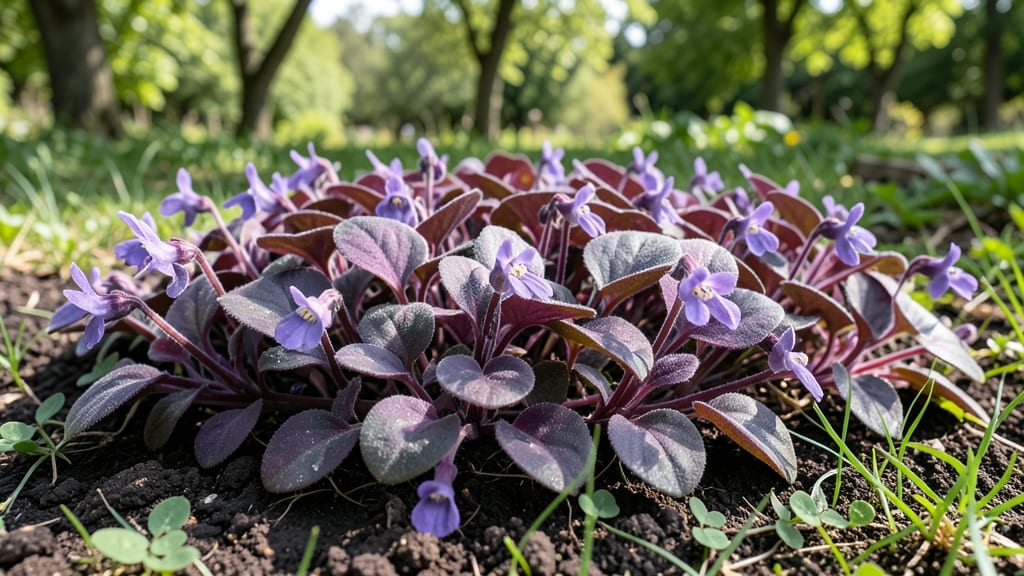
That lawn weed with purple leaves creeping through your lawn isn’t just an eyesore—it’s stealing nutrients from your grass. 🌱 I've battled both purple nutsedge and henbit, and the key to victory is precision spot-treatment before they spread.
These weeds thrive where grass struggles, turning lush lawns into patchy disappointment in just weeks.
Most people mistake them for clover or even young grass, but purple leaves with jagged edges (nutsedge) or fuzzy stems (henbit) give them away. The good news? You don’t need harsh chemicals to win—manual removal works if you catch it early.
Pull when soil is moist, and you’ll see those stubborn roots come out clean.
After removal, fill the bare spots with fresh grass seed or a temporary mulch of compost. For stubborn patches, spot-treat with a vinegar-based herbicide (20% acetic acid) or a targeted organic spray—just avoid overspraying your grass. The goal is to restore your lawn’s health without sacrificing its beauty.
Prevention starts with proper mowing (never cut below 3 inches) and overseeding thin areas. Purple weeds love weak turf, so keeping your grass thick and fed is your best defense. Once you spot them, act fast—they multiply faster than you can say "lawn care."
Understanding Purple-Leaved Weeds
If your lawn is suddenly dotted with weeds sporting vibrant purple leaves, you’re likely dealing with a few common culprits—each with distinct triggers. These weeds aren’t just unsightly; they’re often thriving because of specific conditions in your soil, water, or care routine.
Let’s break down the why behind their bold color and aggressive growth.
Purple-tinged leaves on weeds like henbit, purslane, or chickweed often signal a soil nutrient deficiency—or an excess of the wrong kind. Here’s the science:
- Phosphorus Deficiency: Purple hues in leaves (especially stems and undersides) are a classic sign of low phosphorus. This nutrient is crucial for energy transfer in plants. Weeds like henbit may turn purple to "signal distress" and scavenge for phosphorus from deeper soil layers or decaying organic matter.
- Nitrogen Overload: Too much nitrogen (common in over-fertilized lawns) can cause weeds like creeping charlie to develop deep purple veins. The excess nitrogen forces rapid growth, but the plant can’t process it efficiently, leading to pigment changes as a byproduct of stress.
- Potassium Starvation: Weeds such as dandelions with purple-tipped leaves may lack potassium, which regulates water and nutrient uptake. Without it, cells struggle to maintain turgor pressure, and anthocyanins (purple pigments) flood the leaves as a protective response.
Actionable Fix:
- Test your soil’s pH and nutrient levels with a DIY kit or lab service. Ideal lawn soil sits at 6.0–7.0 pH.
- Apply a balanced fertilizer (10-10-10 or 5-10-10) to correct deficiencies without overloading nitrogen.
- Top-dress with compost to slowly release phosphorus and potassium naturally.
Purple leaves can also scream "water trouble." Weeds like purslane and spotted spurge develop their signature color when they’re either overwatered or drought-stressed. Here’s how:
- Drought Response: Anthocyanins act as sunscreen for plants under water stress. When weeds like chickweed can’t access moisture, their leaves produce more of these pigments to reduce water loss through transpiration and protect cell membranes.
- Overwatering Side Effects: Soggy soil deprives roots of oxygen, forcing weeds like henbit to adapt. Their purple leaves indicate hypoxia stress, where the plant’s energy production (via mitochondria) is disrupted, leading to pigment changes.
- Salinity Buildup: In areas with hard water or poor drainage, salt accumulation in soil can cause osmotic stress. Weeds like knotweed turn purple as their cells struggle to absorb water, triggering a survival mechanism.
Actionable Fix:
- Adjust your watering schedule to 1–1.5 inches per week (including rain). Use a smart sprinkler timer for consistency.
- Improve drainage by aerating compacted soil and adding organic matter like peat moss.
- Flush salty soil with deep watering sessions (2–3 inches at a time) to leach excess salts.
Thick lawns or shaded areas can turn weeds into shade-loving purple powerhouses. Weeds like ground ivy (creeping Charlie) and clover develop deep purple leaves when they’re outcompeted for light. Here’s the biology:
- Low-Light Adaptation: In shaded conditions, weeds produce more anthocyanins to absorb blue and UV light, which helps them photosynthesize efficiently in low-light environments. Think of it as their "sunglasses mode."
- Thinning Grass Canopy: If your lawn is sparse, weeds like henbit fill the gaps and stretch toward any available light, causing their leaves to darken and purple up as they stretch and strain.
- Reflective Surfaces: Compacted soil or hard surfaces (like driveways) can reflect harsh light, creating heat stress on weed leaves. Purple pigments help dissipate excess energy.
Actionable Fix:
- Thin out dense grass areas with a lawn rake to improve air and light circulation.
- Plant shade-tolerant grass varieties (e.g., fine fescue) in low-light zones to outcompete weeds.
- Prune overhanging trees or install light-colored mulch to reduce heat reflection.
If you’ve recently applied herbicides or pesticides, purple leaves on weeds could be a sign of chemical stress. Some weeds develop this color as a detoxification response or due to residual herbicide interactions.
- Pre-Emergent Herbicide Burn: Weeds germinating after pre-emergent applications (e.g., prodiamine) may show purple leaves as they struggle to metabolize the chemical. Their cells produce anthocyanins to neutralize free radicals caused by the herbicide.
- Post-Emergent Damage: Selective herbicides (like 2,4-D) can cause off-target stress on broadleaf weeds, leading to purple discoloration as the plant’s shikimate pathway (a key metabolic process) is disrupted.
- Fungicide Interactions: Some systemic fungicides can interfere with weed growth hormones, causing pigment changes as a secondary effect.
Actionable Fix:
- Avoid reapplying herbicides until the purple weeds fully die back (usually 2–4 weeks).
- Use targeted spot treatments (like vinegar + dish soap) for stubborn purple weeds to avoid further chemical stress.
- Flush the soil with water if you suspect residue buildup from over-application.
Pro Tip: 💡 Don’t ignore purple weeds—they’re often the first sign your lawn’s ecosystem is out of balance. Address the root cause (literally!) before they spread or crowd out your grass.
Spot-Treat Weeds Before They Spread
Finding purple-leafed weeds creeping into your lawn can feel like a losing battle—but it doesn’t have to be! The key is acting fast with targeted solutions tailored to the root cause.
Below, we break down the most effective fixes for each common trigger, from overwatering to poor soil health, plus proven prevention tactics to keep your lawn lush and weed-free.
If your lawn stays soggy or gets drenched too often, weeds like purple nutsedge or henbit thrive in damp conditions. Here’s how to dry them out and starve the invaders:
- 🍳 Reduce Watering Immediately
- Water deeply but only 1–2 times per week (early morning is best).
- Use a moisture meter to check soil—water when the top 2 inches feel dry.
- Pro Tip: 💡 Install a rain gauge to avoid overestimating rainfall.
- 👨🍳 Improve Soil Drainage
- Aerate compacted soil in the fall to let water drain faster.
- Mix in coarse sand or perlite (1 part to 3 parts soil) for heavy clay areas.
- For low spots, add a 1-inch layer of gravel or topsoil and reseed.
- ⏰ Spot-Treat with Vinegar (For Non-Grass Areas)
- Spray a 20% vinegar solution (1 part white vinegar, 4 parts water) directly on weeds on dry, sunny days.
- Caution: 🌡️ Avoid grass—vinegar kills all plants it touches.
For stubborn purple-leafed weeds like creeping Charlie or clover, physical removal is often the fastest fix:
- 🔪 Dig Out the Roots
- Use a weed puller or fork to extract the entire root (especially for deep-rooted weeds).
- Pro Tip: ✨ Pull when soil is moist (after rain or watering) for easier removal.
- 🥘 Cover with Mulch or Cardboard
- Smother weeds with 3+ layers of wet newspaper or cardboard, then top with 2–3 inches of mulch.
- Ideal for large patches—weeds die within 2–4 weeks without sunlight.
- 🎯 Hand-Pick Small Infestations
- Glove up and pluck weeds by hand (best for dandelions or plantain).
- Warning: 🚫 Dispose of weeds in the trash—don’t compost them!
A thick, healthy lawn crowds out weeds naturally. Here’s how to strengthen your grass:
- 💪 Fertilize Correctly
- Apply a slow-release, high-nitrogen fertilizer (like 24-0-6) in early spring and fall.
- Pro Tip: 📊 Test your soil first—over-fertilizing can burn grass and feed weeds.
- ✂️ Mow High and Sharp
- Set your mower to 3–4 inches to shade out weeds.
- Keep blades sharp to avoid tearing grass (which invites disease).
- 🌱 Overseed Bare Spots
- Rake thin areas, spread shade-tolerant grass seed (like fine fescue), and top with straw.
- Water lightly daily for 2 weeks to encourage growth.
Stop weeds before they start with these long-term strategies:
- 🌡️ Adjust Watering Zones
- Group plants with similar water needs (e.g., drought-tolerant ground covers near purple-leafed weeds).
- Use drip irrigation to deliver water directly to roots.
- 🎯 Apply Pre-Emergent Herbicide (Timing Is Key!)
- Sprinkle corn gluten meal (natural) or pendimethalin (synthetic) in early spring before weed seeds germinate.
- Caution: 🚫 Avoid pre-emergent if you plan to overseed—it’ll kill grass seed too.
- 🔥 Solarize Weed Hotspots
- Cover weeds with clear plastic sheeting for 4–6 weeks in hot sun (soil temps must reach 104°F+).
- Works best in summer for stubborn weeds like purple deadnettle.
With these targeted fixes, your lawn can go from weed-ridden to pristine in weeks. Start with the solutions that match your lawn’s biggest issues, then lock in prevention to keep purple-leafed invaders at bay for good!
Frequently asked questions
What’s the most common lawn weed with purple leaves?
You’re likely dealing with henbit or purple nutsedge. Henbit has fuzzy stems and jagged purple leaves, while purple nutsedge grows in clumps with sharp-edged, purple-tinged foliage. Both thrive in cool weather and thin grass. Pro tip: Henbit spreads quickly—remove it before it flowers!
Can I use vinegar to kill purple-leafed weeds?
Yes, but carefully! A 20% vinegar solution (1 part vinegar to 4 parts water) works well for spot treatment on non-grass areas. Apply on a dry, sunny day—vinegar kills all plants it touches, so avoid spraying near your lawn. For stubborn weeds, repeat weekly until they wilt. Best for driveways or sidewalks!
Why do purple weeds keep coming back after I pull them?
Most likely, you’re missing the roots! Weeds like creeping Charlie or dandelions have deep or sprawling root systems. Use a weed puller or fork to dig out the entire root—especially in moist soil. If the roots break off, the weed will regrow. For tough spots, smother with cardboard or mulch to block sunlight.
Are purple-leafed weeds harmful to my lawn?
Not directly, but they compete with grass for nutrients, water, and sunlight. Left unchecked, they’ll thin out your lawn and create bare patches where more weeds (or moss) can take over. The good news? Purple weeds are often easier to spot and remove than green ones, giving you a head start on lawn restoration.
How can I prevent purple weeds from spreading?
Focus on thick, healthy grass—weeds thrive where grass is weak. Mow high (3–4 inches), fertilize with a balanced formula (10-10-10), and overseed bare spots. Water deeply but less frequently to discourage weed growth. For long-term prevention, apply corn gluten meal in early spring to block weed seeds from germinating.