
Lawn
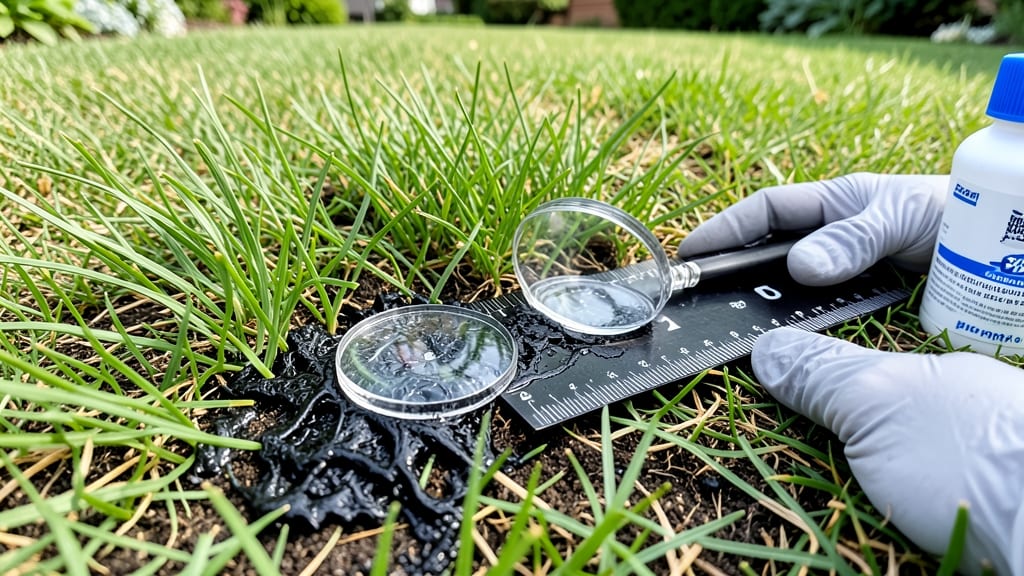
Black slime mold creeping across your lawn like a shadowy carpet? 🌱 It’s not a fungus, not a weed—it’s a temporary but unsightly guest that thrives in damp, shady spots.
I’ve battled it in my own yard, and the good news is, it vanishes faster than you’d think with the right approach. No harsh chemicals needed—just a few targeted steps to kick it out for good.
The culprit is usually excess moisture from morning dew, overwatering, or thick layers of fallen leaves blocking airflow. Slime mold feeds on decaying organic matter, so it loves shady patches where grass struggles to dry out.
The black, splotchy mess might look alarming, but it’s harmless to your lawn—just an eyesore that disappears when conditions change.
Here’s the game-changer: a mix of raking to break up the mold, reducing humidity with better drainage, and a vinegar blaster (3% white vinegar in a spray bottle) for stubborn spots.
Within 24-48 hours, the mold will recede, leaving your lawn looking fresh again. The key is acting fast before it spreads.
Prevention is simple: keep lawn debris cleared, improve airflow, and avoid overwatering. If the problem keeps returning, it might signal deeper issues like poor drainage—time to dig deeper (literally). For now, grab a rake and let’s get that lawn back to its best.
The Hidden Triggers Behind Black Slime
Black slime mold—often mistaken for a stain or algae—isn’t actually a fungus, plant, or even alive in the traditional sense. This mysterious, gelatinous growth thrives under specific conditions, transforming your lawn into a slick, dark spectacle.
Understanding why it appears is the first step to preventing it. Below, we break down the key culprits behind its sudden emergence, so you can address the root causes before they resurface.
Black slime mold is a water-loving organism, and its presence is almost always tied to prolonged dampness. Here’s how moisture triggers its growth:
- Overnight dew or rain: If your lawn stays wet for more than 12–24 hours—especially in shaded or low-lying areas—the mold’s spores activate. The gelatinous mass forms as it absorbs moisture from the soil and grass blades.
- Poor drainage: Compacted soil or clay-heavy lawns prevent water from draining efficiently. When water pools, it creates the perfect breeding ground for slime mold.
- Irrigation habits: Overwatering, especially late in the day, leaves grass blades damp overnight. Even light morning dew can exacerbate the problem if the lawn doesn’t dry quickly.
Actionable fix: Improve drainage by aerating compacted soil or redirecting water flow. Water early in the day to allow grass to dry before evening.
Black slime mold feeds on decaying organic matter, making it a common sight in areas with:
- Leaf litter or mulch buildup: Leaves, grass clippings, or thick mulch create a damp, nutrient-rich layer where spores thrive. The mold uses these materials as a food source, spreading rapidly.
- Shady or dense grass: Areas with little sunlight stay moist longer. Thick turf or overgrown grass blocks airflow, trapping humidity and encouraging mold growth.
- Decaying plant matter: Dead roots, fallen branches, or even old lawn debris provide the organic fuel slime mold needs to expand.
Actionable fix: Rake up debris regularly, thin out dense grass, and trim overhanging branches to improve airflow and sunlight exposure.
While black slime mold can appear year-round, it’s most active during:
- Cool, humid seasons: Spring and fall—when temperatures hover between 50–70°F (10–21°C)—create ideal conditions. Warm days followed by cool, damp nights accelerate its growth.
- Sudden weather changes: A hot, sunny day followed by a cold, rainy night can trigger an outbreak. The temperature drop slows evaporation, leaving grass blades damp longer.
Actionable fix: Monitor weather forecasts and adjust watering schedules. If rain is forecasted, avoid irrigating to prevent over-saturation.
While black slime mold doesn’t require nitrogen like true fungi, certain soil conditions can encourage its spread:
- High organic content: Over-fertilized lawns with rich, decaying matter provide ample food for the mold. Compost or manure-heavy soils are particularly susceptible.
- Acidic or alkaline extremes: Soils with extreme pH levels (below 6.0 or above 7.5) can stress grass, making it more vulnerable to mold infestations.
Actionable fix: Test your soil’s pH and organic content. Use balanced, slow-release fertilizers and avoid over-applying organic amendments.
💡 Pro Tip: If black slime mold keeps returning, it’s likely a combination of these factors. Addressing moisture, debris, and seasonal conditions simultaneously will give you the best defense.
How to Fix Black Slime on Grass
Black slime mold may look alarming, but it’s usually harmless and disappears once the conditions that caused it are addressed. The key is to remove it safely without harming your lawn while preventing it from returning.
Below, we’ve mapped practical solutions to the most common causes—so you can restore your lawn’s health quickly and easily.
Fix: Adjust your watering habits and improve drainage to starve the mold of excess moisture.
- 🌧️ Reduce Watering Frequency Water your lawn deeply but less often—early morning is best (6–10 AM) to allow grass to dry before evening. Aim for 1–1.5 inches per week, including rainfall. Use a rain gauge or tuna can to measure accurately.
- 🚿 Fix Drainage Issues If your lawn has low spots or compacted soil, slime mold thrives there. Rake the area gently to break up thatch, then aerate with a core aerator (rent one if needed). For severe cases, consider sanding low areas or installing a French drain.
- 💡 Pro Tip: Walk on your lawn after watering—if it feels squishy, you’re overwatering. Adjust immediately!
Fix: Thin out thick grass and improve airflow to discourage mold growth.
- ✂️ Mow Higher & Sharper Set your mower to 3–4 inches to encourage deep roots and reduce thatch. Never remove more than ⅓ of the grass blade at once—this stresses the lawn and worsens thatch.
- 🌱 Overseed Bare Spots Thin or patchy grass traps moisture. Sprinkle grass seed in sparse areas after aerating, then lightly rake and water (keep soil moist for 2–3 weeks).
- 🔪 Dethatch if Necessary If thatch exceeds ½ inch, rent a thatched rake or vertical mower to remove it. Do this in early fall or spring when grass is actively growing.
Fix: Clear away organic matter that smothers grass and traps moisture.
- 🍂 Remove Debris Promptly Rake up fallen leaves, pine needles, or thick mulch layers—especially in shaded or low-traffic areas where mold loves to hide. A leaf blower speeds up the process.
- 🔄 Adjust Mulching Practices If you use wood chips or straw, keep them 2–3 inches away from the lawn’s edge to prevent smothering. For grass clippings, bag and compost them if your lawn is prone to mold.
- 🌡️ Improve Airflow Trim back overgrown shrubs or trees casting deep shade (6+ hours/day). Even a little more sunlight helps grass dry faster.
Fix: While you can’t control the weather, you can minimize its impact on your lawn.
- 🌤️ Choose the Right Grass Type If you live in a humid or rainy climate, opt for tall fescue, Kentucky bluegrass, or fine fescue—they tolerate moisture better than Bermuda or zoysia.
- ☀️ Use a Lawn Fan (Yes, Really!) For shaded or high-mold-risk areas, a small electric fan (like a Solar-Powered Lawn Fan) can circulate air and speed up drying. Run it for 10–15 minutes daily during damp spells.
- 🎯 Preventative Fungicide (Last Resort) If slime mold returns yearly, apply a preventative fungicide with propiconazole or flutolanil in early spring or fall. Follow label instructions—never overapply.
To keep black slime mold at bay, adopt these habits year-round: ✅ Water wisely (deep and early, never late at night). ✅ Mow high (3–4 inches) and sharpen mower blades regularly. ✅ Aerate and overseed every 1–2 years (fall is ideal). ✅ Rake up debris weekly during wet seasons. ✅ Test your soil—if it’s too acidic (pH < 6.0), amend with lime to improve drainage.
💡 Final Reminder: Black slime mold is not a fungus to treat with chemicals—it’s a surface issue caused by excess moisture and organic matter. By fixing the root causes (pun intended), your lawn will stay healthy, green, and mold-free! 🌱✨
Frequently asked questions
Is black slime mold harmful to my lawn or pets?
No, black slime mold is completely harmless to your lawn, pets, or people. It doesn't damage grass or spread disease—it's just an unsightly temporary guest that thrives on moisture and organic matter. Pets can walk on affected areas safely, and it won't harm your lawn's health long-term. The real concern is what's causing it (like poor drainage) that might need addressing.
Why does it keep coming back after I clean it up?
If black slime mold keeps returning, it's usually because the underlying conditions persist. The mold needs moisture + organic matter to grow, so check for: overwatering (especially at night), thick layers of leaves/debris, or poor drainage in shaded areas. Focus on improving airflow, reducing humidity, and removing organic buildup—these are the real solutions, not just cleaning the surface.
Can I use bleach or vinegar to kill it permanently?
While 3% white vinegar in a spray bottle can help remove visible mold quickly, it won't prevent future outbreaks. Vinegar works best as a temporary solution for stubborn spots. Bleach is not recommended—it can damage grass and soil microbes. Instead, focus on fixing drainage and reducing moisture, which will eliminate the mold's food source for good.
Is black slime mold the same as fungus or algae?
No, black slime mold is neither a fungus nor algae—it's actually a type of protist called Physarum polycephalum. It's more like a single-celled organism that moves and feeds like an amoeba. While it looks similar to fungal growths, it doesn't require nitrogen like true fungi and doesn't cause plant damage. The key difference is its temporary nature—it disappears when conditions change.
When is the best time of year to prevent it?
Focus on prevention during spring and fall when temperatures are between 50–70°F (10–21°C)—these are peak seasons for black slime mold. Improve drainage before rainy seasons, adjust your mowing height to 3–4 inches, and clear debris regularly. Early spring is ideal for aerating and overseeding to strengthen your lawn's resilience against future outbreaks.