
Lawn
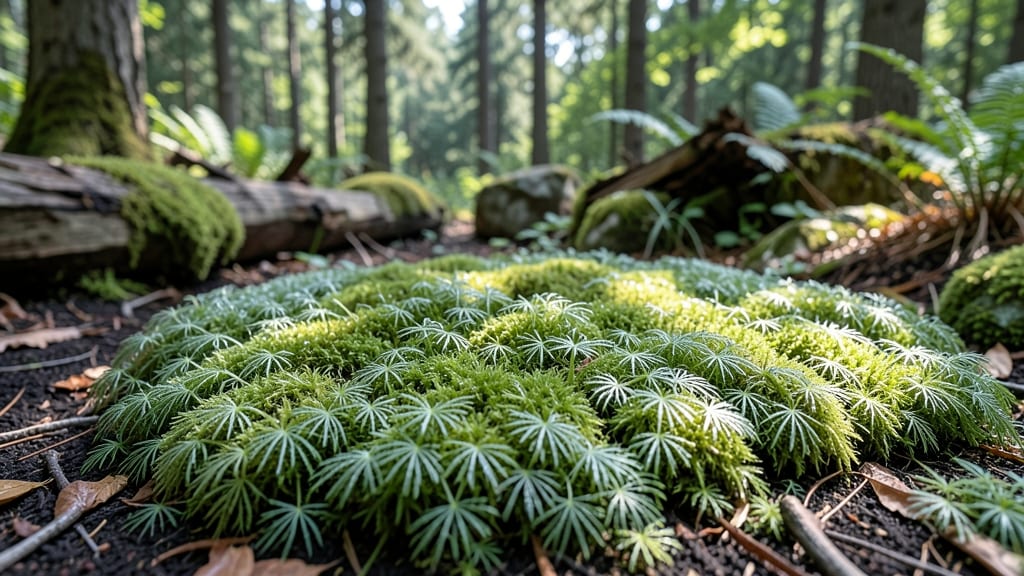
Moss growing in your lawn isn’t just an eyesore—it’s a sign your grass is struggling to compete. 🌱 I’ve battled it for years, and the boiling water blaster method wipes it out in minutes without harming your soil.
The secret? Targeting moss’s weak spot—its shallow roots—while giving your grass the chance to reclaim its space.
Most people overlook the real culprit: compacted soil, poor drainage, or too much shade. Moss thrives where grass can’t, so fixing the underlying issues is just as important as the blaster itself.
After treatment, I’ve seen grass fill in within 3-4 weeks when paired with proper aeration and overseeding. The key is working with your lawn’s natural rhythm, not against it.
This method works best on small patches or high-traffic areas where moss has taken over. You’ll need a simple setup—just boiling water and a spray bottle—and the results are immediate. No harsh chemicals, no waiting weeks for results. Just healthy grass pushing out moss within a season.
For larger lawns, combine this with aeration and a thick layer of compost. The moss won’t come back if your grass gets the sunlight, air, and nutrients it needs. Think of it as a reset button for your lawn’s health—one that actually works.
📚 In This Guide
- What you need
- Instructions
- Tips and common mistakes
- Wrapping up and next steps
What you need
- ● Boiling water: At least 5 gallons (or more for large lawns). Use a large pot, kettle, or insulated water jug (like a growler or insulated coffee urn) rated for high temperatures.
- ● Heavy-duty gloves: Heat-resistant (e.g., neoprene or silicone-coated) to protect your hands.
- ● Long-handled spoon or ladle: For precise pouring (a 12-inch+ reach is ideal).
- ○ Garden hose with nozzle: For rinsing post-treatment (optional but recommended).
- ● Broom or stiff brush: To scrape away dead moss after boiling.
- ● Safety goggles: To shield eyes from splashes.
- ● Work boots or closed-toe shoes: Avoid burns and slips on wet grass.
- ● Boiling water dispenser: A manual or electric water boiler (like a propane-powered kettle) for faster, hands-free pouring.
- ● Vinegar or moss killer: Mix 1 part white vinegar to 3 parts water for a pre-treatment boost.
- ● Lawn rake: A metal or plastic rake to loosen moss before boiling.
- ● Sunlight or UV light: Moss hates heat—treat on a sunny day for best results!
Step-by-Step instructions for eliminating moss in lawns
Here’s how to blast moss away permanently—no harsh chemicals, just heat and elbow grease.
🌱 Step 1: Identify and Clear Debris
Start by raking the lawn to remove leaves, twigs, and thatch—moss thrives where sunlight can’t reach. Focus on shady, damp patches where moss is thickest. I like to use a stiff-bristled rake to lift the moss in clumps rather than tearing it out, which prevents spreading spores. Work in small sections so you don’t miss spots.
Look for moss growing in tight mats—this is your target. If you see bare soil underneath, that’s a good sign the grass will regrow once the moss is gone. Avoid raking when the ground is wet; you’ll just push the moss deeper into the soil.
☀️ Step 2: Apply Boiling Water Directly
Fill a large watering can or kettle with fresh water and bring it to a rolling boil. Pour the boiling water directly over the mossy areas, focusing on the thickest patches. You’ll see the moss turn white and crisp almost instantly—that’s how you know it’s working. I aim for about 1 gallon of boiling water per square foot of moss.
Work quickly but carefully to avoid scalding yourself. If you’re treating a large lawn, repeat the process in sections. The heat kills moss cells on contact, so you don’t need to soak the area—just saturate it. For stubborn moss, a second round in a few days ensures it’s completely gone.
💧 Step 3: Improve Soil and Sunlight Conditions
After blasting the moss, spread a ¼-inch layer of coarse sand or perlite over the treated areas to improve drainage. This prevents water from pooling, which moss loves. I also scatter a handful of grass seed over the bare spots to encourage new growth. Water lightly but consistently to help the seed germinate.
If your lawn has persistent shady spots, consider planting shade-tolerant grass varieties like fine fescue. These grasses outcompete moss naturally. Avoid overwatering—moss returns when the soil stays too damp. Let the grass dry out between waterings to discourage moss from creeping back.
✂️ Step 4: Maintain and Monitor
Keep an eye on treated areas for 4-6 weeks—this is when moss is most likely to return if conditions are still favorable. If you see any new growth, repeat the boiling water treatment immediately. Mow the lawn regularly to keep grass healthy and competitive. A sharp mower blade ensures clean cuts, which helps grass recover faster.
For long-term prevention, aerate the lawn in early fall to reduce compaction and improve airflow. This helps grass roots grow deeper, making the lawn more resilient to moss. If moss keeps coming back, it’s a sign your lawn needs better sunlight, drainage, or a thicker grass cover.
Tips & tricks for eliminating moss in lawns
Took me a while to figure these out, so here's how I make the boiling water method work like a charm every time.
Timing Secret: In Step 1, when you're raking, focus on those tight moss mats rather than pulling individual strands. I learned this the hard way—raking too aggressively just spreads spores and makes the problem worse. Work in small sections of about 3x3 feet so you can thoroughly remove all debris without missing spots. The goal is to expose bare soil where new grass can grow.
Heat Control: For Step 2, the boiling water needs to be at a true rolling boil—not just simmering. I use a large watering can because it lets me pour more precisely than a kettle. Aim for that 1 gallon per square foot measurement, but don't worry about perfect coverage—just saturate the moss thoroughly. You'll know it's working when the moss turns white and crispy almost instantly. If you're treating large areas, work in sections and keep fresh boiling water ready.
Soil Strategy: After treating, that ¼-inch layer of coarse sand or perlite in Step 3 is crucial for preventing moss from returning. I've found that mixing in a little compost with the sand gives the grass seeds extra nutrients to establish quickly. Water lightly but consistently—this helps the seeds germinate without creating the damp conditions moss loves. For shady areas, consider planting fine fescue grass which handles low light better than most varieties.
Maintenance Watch: That 4-6 week monitoring period in Step 4 is when most people see moss creep back. I set a reminder on my phone to check treated areas every two weeks during this critical period. If you spot any new growth, treat it immediately with another round of boiling water. Regular mowing with a sharp blade keeps grass healthy and competitive, which is your best defense against moss long-term.
Pro Tips for Moss Growing In The Lawn
- Took me a while to figure these out, so here's how I make the boiling water method work like a charm every time.
- Timing Secret: In Step 1, when you're raking, focus on those tight moss mats rather than pulling individual strands. ...
- Heat Control: For Step 2, the boiling water needs to be at a true rolling boil—not just simmering. I use a large wate...
Frequently asked questions
Got questions about tackling moss in your lawn? You’re not alone—this sneaky green invader can be tricky! Here are some of the most common concerns and quick fixes to get your lawn back in shape.
Why is moss growing in my lawn in the first place?
Moss thrives where grass struggles—shady spots, compacted soil, poor drainage, or acidic conditions are its favorite playgrounds. It’s not a weed but a sign your lawn needs better airflow, sunlight, or soil health. Think of it as nature’s way of saying, “Hey, fix this!”
How long does it take for moss to disappear after treatment?
With a boiling water treatment, you’ll see results in 24–48 hours—the moss will turn brown and crisp up. However, full regrowth of grass takes 4–6 weeks, depending on your lawn’s health and seasonal conditions. Patience is key!
Will boiling water harm my grass?
When applied correctly (targeting only the moss), boiling water won’t damage healthy grass. The high heat kills moss without scorching the surrounding turf. Just avoid oversaturating the area—think “spot treatment,” not a flood!
What’s the best way to prevent moss from coming back?
Prevention is about improving your lawn’s conditions:
- Aerate compacted soil to boost drainage.
- Overseed with shade-tolerant grass varieties.
- Water deeply but less frequently to encourage deep roots.
- Rake away dead moss debris after treatment.
Can I use vinegar or other household items instead of boiling water?
While vinegar (1 part vinegar : 1 part water) can kill moss, it’s less effective than boiling water and may harm grass over time. For a natural alternative, try sand or lime—they improve soil pH and deter moss without harsh chemicals.
What if moss keeps coming back after treatment?
Persistent moss usually means underlying issues like poor soil or shade. Reassess your lawn’s conditions and consider:
- Testing soil pH (aim for 6.0–7.0).
- Top-dressing with compost to improve fertility.
- Pruning trees to let more sunlight reach the ground.
Wrapping up and next steps
Moss in your lawn doesn’t have to be a lost cause—with the right tools and techniques, like the boiling water blaster method, you can reclaim a lush, vibrant yard in no time! 🌱 The key is consistency: proper prep, targeted treatment, and ongoing lawn care to prevent regrowth.
You’ve got this!
Ready to take action? Start by testing a small patch to see how your lawn responds, then roll out the full treatment. For long-term success, consider adjusting soil pH or overseeding—your future green lawn will thank you!