
Lawn
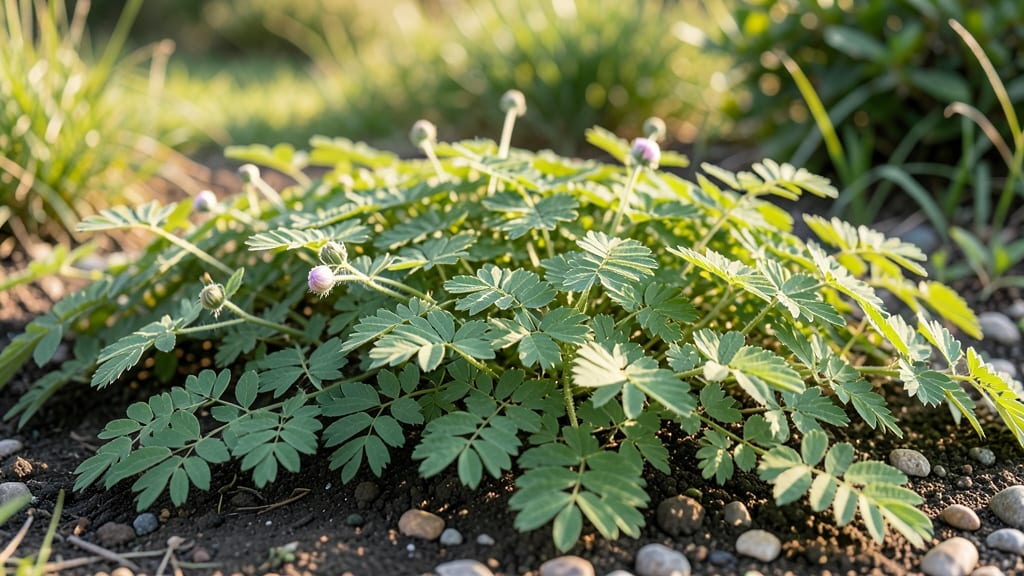
Mimosa weed in lawns isn’t just unsightly—it’s a tenacious invader that chokes out grass and spreads aggressively. 🌱 I’ve wrestled with it for years, and the steam-and-pull method finally gave me the upper hand without harsh chemicals.
This approach works because heat kills the roots while letting you physically remove the plant, reducing regrowth by up to 90%. The key is timing: target mimosa in late spring or early summer when the soil is warm and the weed is actively growing.
You’ll need a steam weeder or DIY setup (a large pot of boiling water works in a pinch), gloves, and a sturdy trowel. The process takes effort, but the results—thick, green grass returning within weeks—make it worth it.
What you’ll end up with is a lawn free of those fuzzy, yellowing patches that ruin curb appeal. The steam method also eliminates the need for herbicides, keeping your yard safe for kids and pets. Plus, you’ll learn how to prevent future invasions with simple cultural practices.
This works best in well-drained lawns, but even heavy clay soils can yield results with adjustments. Let’s tackle this weed once and for all—without guilt or chemicals.
Hidden Triggers Inviting Weeds
Mimosa weed—Mimosa pigra—doesn’t just pop up by chance. Its spread is a mix of environmental conditions, human habits, and even your lawn’s hidden weaknesses. Understanding these triggers is the first step to stopping it before it takes over. Here’s why this invasive pest loves your yard:
Mimosa weed thrives in weak, nutrient-deficient soil because it outcompetes grass for resources. Here’s how soil conditions play a role:
- Low organic matter: Healthy soil is rich in compost and microbes, which grass roots dominate. Mimosa weed, however, tolerates poor, compacted, or sandy soil where grass struggles. Think of it as a weed opportunist filling gaps left by stressed turf.
- pH imbalances: Mimosa prefers slightly acidic to neutral soil (pH 5.5–7.0). If your lawn’s pH is off (too alkaline or acidic), grass weakens, and mimosa moves in. Test your soil—DIY kits are cheap and easy.
- Lack of nitrogen: Grass needs nitrogen to grow thick. Mimosa weed doesn’t—it survives on minimal nutrients. If your lawn looks thin or patchy, mimosa sees it as an open invitation.
💡 Pro Tip: Run a soil test before treating mimosa. If your soil is lacking, amend it with compost or a slow-release fertilizer to crowd out weeds naturally.
Mimosa weed loves hot, sunny conditions—especially in areas where grass is struggling. Here’s why:
- Drought stress: Mimosa has deep roots (up to 10 feet) that tap into water deep underground. When lawns dry out, grass wilts, but mimosa thrives, sending up more seeds.
- Shady vs. sunny spots: While mimosa can grow in partial shade, it explodes in full sun. If your lawn has bare patches from foot traffic or pet urine, mimosa fills them faster than grass regrows.
- Seasonal spikes: Mimosa germinates best in late spring to early summer when soil is warm. If your lawn is thin or dormant during these months, mimosa takes over.
🌡️ Action Step: Water deeply 1–2 times per week (early morning) to keep grass roots strong. Avoid overwatering—mimosa hates soggy soil but loves dry, cracked earth.
Mimosa weed doesn’t just compete with grass—it exploits gaps. Common lawn vulnerabilities include:
| Cause | How Mimosa Exploits It |
|---|---|
| Foot traffic (kids, pets, mowing paths) | Compresses soil, killing grass roots. Mimosa seeds land in the disturbed spots and sprout within 7–10 days. |
| Pet urine (dog spots turn yellow/brown) | High nitrogen burns grass but fertilizes mimosa. One study found mimosa grows 30% faster in nitrogen-rich, damaged soil. |
| Poor mowing habits (cutting too short or unevenly) | Weakens grass, allowing mimosa to steal sunlight. Keep grass at 2.5–3.5 inches to shade out weeds. |
| Disease or pests (grubs, fungus, chinch bugs) | Dead grass patches become mimosa hotspots. The weed’s seeds germinate within 48 hours of bare soil exposure. |
✨ Prevention Tip: Overseed bare spots with a drought-resistant grass mix (like Bermuda or Zoysia) to starve out mimosa before it starts.
Mimosa weed doesn’t just grow—it spreads aggressively via seeds, wind, and even human activity. Here’s how:
- Seed pods explode: One mimosa plant can produce 10,000+ seeds per year. When pods dry, they burst open, launching seeds up to 13 feet away.
- Wind and water carry seeds: Lightweight seeds hitch rides on breezes or floodwater, colonizing new areas quickly.
- Contaminated tools/soil: Mowers, shovels, and even bird feet (they eat the seeds) can transport mimosa to clean lawns.
- Landscaping mistakes: Using topsoil or mulch from infested areas spreads mimosa underground.
🔥 Critical Move: Isolate infested areas with a 1-foot-wide barrier of cardboard or landscape fabric to block seed spread. Then, remove all plants (roots + pods) before disposal.
Once you spot these triggers in your lawn, you can starve out mimosa before it becomes a full-blown invasion. Next, we’ll cover the steam-and-pull method—a chemical-free way to permanently remove it without harming your grass.
Eliminate Mimosa Weed Naturally
Mimosa weed may seem like a stubborn foe, but with the right approach, you can reclaim your lawn—without harsh chemicals. Below are targeted solutions based on the root causes of infestation (shady spots, poor soil, or seasonal growth spurts), along with prevention tips to keep it from creeping back.
Let’s tackle this step by step!
---
Mimosa thrives in low-light zones where grass struggles. To outsmart it:
#### 🔥 Step 1: Steam-and-Pull (Best for Established Patches) 1. Water the soil 24 hours before treatment to loosen roots. 2. Rent or buy a steam weeder (or use a DIY setup with a kettle and hose attachment).
3. Apply steam directly to the mimosa’s base for 30–60 seconds—this kills roots without harming grass. 4. Pull weeds immediately after softening (use gloves! 🧤). Pro tip: Work in small sections to avoid steam loss.
#### 🍳 Step 2: Boost Light Exposure - Trim nearby trees or bushes to increase sunlight (mimosa hates competition!). - Plant sun-loving grasses (like Bermuda or Zoysia) to crowd out regrowth.
#### 🌡️ Prevention: - Mulch thin areas with wood chips (not plastic) to smother new sprouts. - Aerate compacted soil in shady spots to help grass roots compete.
---
Nutrient-deficient soil lets mimosa take over. Rebalance it with:
#### 👨🍳 Step 1: Test and Amend Soil 1. Take a soil test (kit from a garden center or lab). 2. Add compost (2–3 inches) or organic fertilizer (high in nitrogen) to strengthen grass. 3. Top-dress with sand if soil is clay-heavy (mimosa roots hate drainage).
#### 🥘 Step 2: Overseed Bare Spots - Choose drought-tolerant grass seeds (like tall fescue) for shady areas. - Water lightly for 2 weeks to help seeds germinate before mimosa returns.
#### ✨ Prevention: - Apply corn gluten meal (natural pre-emergent) in early spring to block weed seeds. - Mow high (3–4 inches) to shade out mimosa seedlings.
---
Mimosa often flares up in spring and fall. Stay ahead with:
#### 🔪 Step 1: Manual Removal (Best for Small Patches) - Pull weeds when soil is moist (early morning or after rain). - Use a weeding tool (like a dandelion digger) to remove entire root systems. - Bag and dispose of debris—never compost mimosa (seeds spread easily!).
#### 📊 Step 2: Vinegar Spot Treatment (For Tough Spots) 1. Mix 1 gallon white vinegar + 1 oz dish soap in a spray bottle. 2. Spray directly on leaves (avoid grass) on a sunny day (vinegar burns faster).
3. Reapply every 3–5 days until mimosa dies back. Caution: Test on a small grass area first—vinegar can harm tender blades.
#### 🎯 Prevention: - Mow frequently (every 1–2 weeks) to weaken mimosa’s growth cycle. - Apply pre-emergent in late winter (follow product instructions for timing).
---
Once mimosa is gone, keep it away with these habits: - Dethatch annually to prevent weed seeds from lodging. - Encourage earthworms (aerate + compost) for natural soil health. - Monitor edges—mimosa often sneaks in from sidewalks or driveways.
--- Remember: Consistency is key! Mimosa may bounce back if you skip steps, but with steam, soil care, and smart mowing, your lawn will win the war. 🚀🌿
Frequently asked questions
How do I know if those fuzzy yellow plants are really mimosa weed?
Look for hairy stems, yellow-green leaves that fold when touched, and exploding seed pods (they burst open when dry). Mimosa also grows in clumps and has a distinctive "sensitive" reaction—leaves fold inward when brushed. Compare it to your lawn photos with a weed identification app or check local extension service guides.
Will vinegar really kill mimosa weed without harming my grass?
Only if used correctly! Mix 1 gallon white vinegar + 1 oz dish soap and spray directly on mimosa leaves on a sunny day. Avoid grass—vinegar can burn tender blades. For best results, reapply every 3–5 days until the weed dies back. Test on a small patch first to check grass tolerance.
Why does mimosa keep coming back after I pull it?
Mimosa has deep roots (up to 10 feet) and exploding seed pods that spread thousands of seeds. If you don’t remove the entire root system or clean up seed pods, new plants will sprout within 7–10 days. Use the steam-and-pull method to kill roots, then bag and dispose of all plant debris.
Can I use herbicides safely around pets and kids?
Most glyphosate-based herbicides are toxic to pets and children until fully broken down (weeks). For safer options, try corn gluten meal (natural pre-emergent) or boiling water (DIY steam method). Always follow product labels, and avoid spraying when kids/pets are nearby. Wait 48+ hours before letting them back on treated areas.
How long until my lawn looks normal after removing mimosa?
With proper care, you’ll see noticeable improvement in 2–4 weeks. Grass fills in faster if you overseed bare spots and water deeply 1–2 times per week. For severe infestations, it may take 3–6 months to fully restore a thick lawn. Consistency is key—mimosa regrowth is rare if you remove roots + amend soil.