
Plants
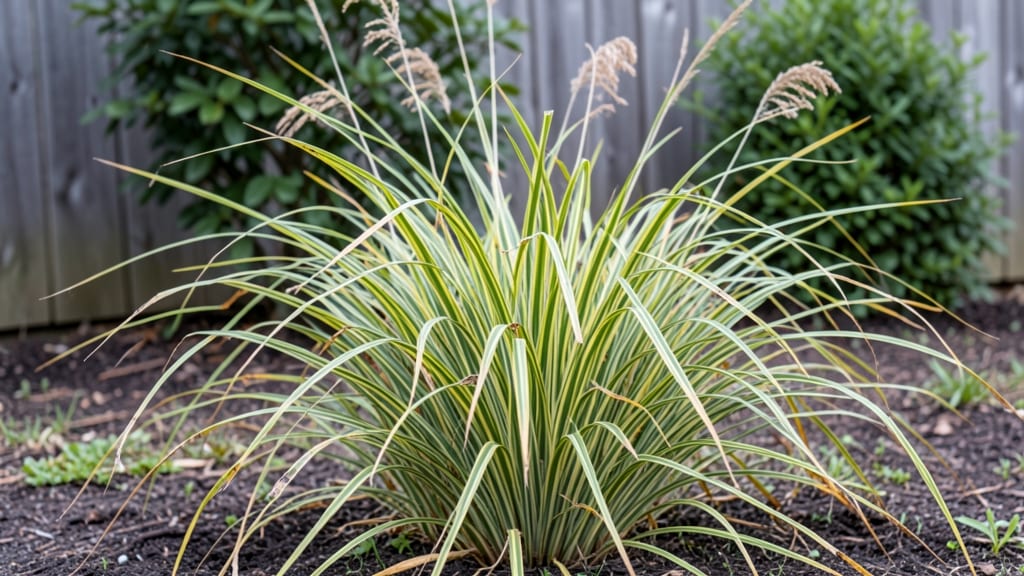
Winter care for zebra grass 🌱 keeps it alive through freezing temperatures and ready to bounce back when spring arrives.
You might think those striped blades are too delicate for cold weather, but with the right steps, zebra grass can handle frost like a pro. The key is knowing when to protect it and how to revive it if damage happens.
Whether you’re in USDA Zone 6a or further south, I’ll walk you through the best ways to shield your grass from winter’s worst—from mulching to pruning—so it stays lush year-round.
Discover how to spot frost damage early, when to trim back dead growth, and the simple tricks that make all the difference in survival rates.
How cold can zebra grass tolerate? Winter survival guide by climate Zone
Zebra grass (Heteropogon contortus) thrives in warm climates but can handle surprisingly chilly temperatures with proper care. Its cold tolerance varies by USDA hardiness zone, so understanding your local risks is key.
In Zone 10-11, it often survives winters without protection, while Zone 8-9 may need extra insulation. Let's break down how to assess and prepare your zebra grass for winter's challenges.
First, identify your local frost dates. Most zebra grass varieties enter dormancy when nighttime temperatures drop below 40°F (4°C). In Zone 8, this happens around October 15th, while Zone 11 may see only brief dips below freezing.
Knowing these dates helps time protective measures before damage occurs. I always check my local weather station for historical frost data to plan ahead.
Signs of cold stress include brown, crispy blades and blackened leaf tips. Unlike some grasses that bounce back, zebra grass may show permanent damage if exposed to prolonged freezing below 25°F (-4°C).
In Zone 9, a single hard freeze can weaken plants, while Zone 10 grasses might only need shelter during rare cold snaps. Pay attention to overnight lows—they're the real test of your grass's resilience.
Your zebra grass's age and health also matter. Younger plants or those struggling from summer drought are more vulnerable. I've seen 2-year-old specimens survive Zone 8 winters with proper mulching, while older, established clumps handle cold better.
Always assess your grass's current condition before winter arrives—healthy roots mean better survival odds.
Here’s a quick reference for zebra grass cold tolerance by zone, including protective actions:
| USDA Zone | Cold Tolerance | Key Winter Risk | Protective Action |
|---|---|---|---|
| Zone 8 | Survives to 20°F (-7°C) | Hard freezes (15°F (-9°C)) | 4-6" mulch + frost cloth |
| Zone 9 | Survives to 25°F (-4°C) | Light freezes (28°F (-2°C)) | 3" mulch + row cover |
| Zone 10 | Survives to 30°F (-1°C) | Brief cold snaps (32°F (0°C)) | Minimal protection (optional 2" mulch) |
| Zone 11 | Survives to 32°F (0°C) | Rare hard freezes | None needed (monitor rare events) |
To assess your local winter risks, start by checking the average minimum temperature for your area. Websites like the USDA Plant Hardiness Zone Map or local agricultural extensions provide this data.
For example, if you're in Zone 8b with average lows of 15-20°F (-9 to -7°C), your zebra grass will need extra protection during prolonged cold spells. I always cross-reference this with my personal weather records from the past 3 years to spot trends.
Another critical factor is wind exposure. Zebra grass in exposed areas loses moisture faster and suffers more from cold winds. If your plants are in a windy location, consider adding a windbreak like a fence or taller plants to shield them.
I’ve seen zebra grass in Zone 9 gardens with windbreaks survive winters unscathed, while exposed clumps showed signs of stress. A simple bamboo screen or evergreen hedge can make a big difference.
Don’t forget to prepare your soil for winter. Well-draining soil retains moisture better and insulates roots against temperature swings. Before the first frost, I add a 2-inch layer of compost to improve soil structure and fertility. This helps roots stay warm and hydrated during cold snaps.
Avoid heavy, clay soils—zebra grass struggles in waterlogged conditions, which worsen in winter. If your soil is dense, amend it with organic matter like peat moss or coconut coir.
Finally, monitor your zebra grass throughout winter. If you notice unusual browning or wilting, it could signal root damage or fungal issues from excess moisture. In Zone 8-9, I check plants every 2-3 weeks during mild spells to ensure they’re not drying out.
A quick tug on the blades can tell you if roots are still active—healthy roots should feel firm and resist pulling. If they’re mushy, your grass may need em
Step-by-step winter protection methods for zebra grass
Winter can be tough on zebra grass (Heteropogon contortus), but with the right protective measures, you can shield it from freezing temperatures and dry winds. The key is layering protection based on your local climate severity.
In USDA zones 8-9, mild winters may only require mulching, while zones 6-7 demand extra insulation like frost cloth or even indoor relocation for containers.
Start by assessing your winter conditions. If you experience hard frosts below 20°F (-7°C), your zebra grass will need more aggressive protection. For moderate winters (25-32°F/-4 to 0°C), mulching and frost cloth should suffice.
Let’s break down the most effective step-by-step methods ranked by their effectiveness for different winter severity levels.
Use straw or shredded leaves around the base of the plant. This insulates the root zone from temperature fluctuations and retains moisture.
If growing zebra grass in containers, wrap them with bubble wrap or insulation foam. Add a thick layer of mulch on top of the soil to prevent root freeze.
For temperatures below 20°F (-7°C), drape frost cloth over the plant, securing it with bricks or stakes. Ensure the cloth doesn’t touch the foliage to avoid moisture buildup.
If your container plants face prolonged freezing, move them to a bright indoor space (like a sunroom) with 50-60°F (10-15°C) temperatures. Reduce watering frequency to once a month.
Once spring temperatures stabilize, trim any brown or damaged blades with clean pruners. This encourages new growth and prevents pests.
For mild winters (zones 9-11), focus on mulching and light frost cloth—these steps will keep your zebra grass healthy. In colder zones (6-8), combine mulching, frost cloth, and container insulation for the best results.
If you’re unsure about your local frost dates, check your USDA zone and monitor weather forecasts in late fall.
Remember, zebra grass is deciduous, so it naturally sheds foliage in winter. Don’t panic if it looks brown and dormant—this is normal! With these protective steps, your zebra grass will bounce back vibrant and healthy when spring arrives. 🌱