
Lawn
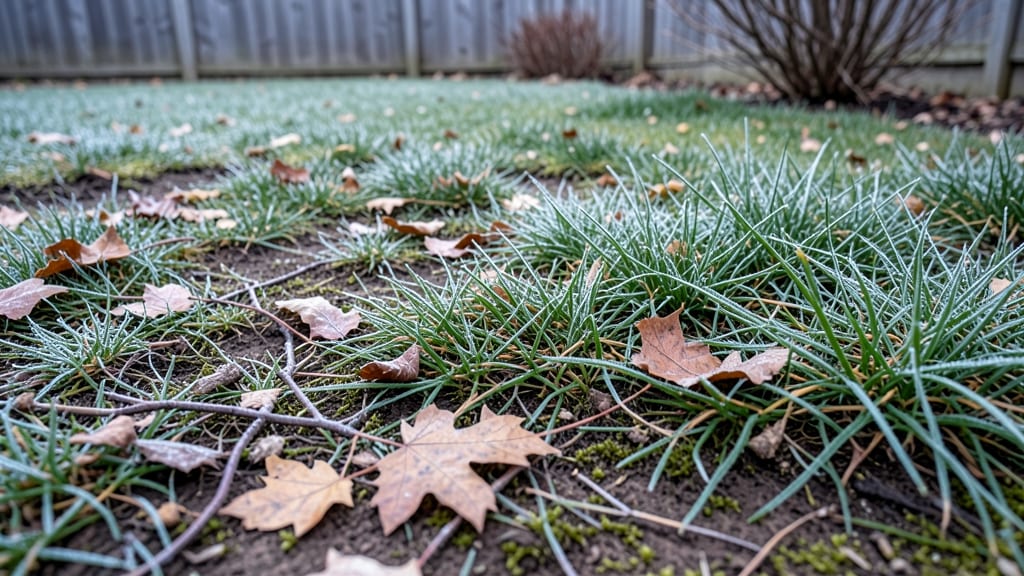
Leaves on lawn over winter act as natural insulation, shielding grass roots from harsh cold while preserving soil moisture, yet thick accumulations can suffocate grass and create breeding grounds for pests. The best time to remove them depends on their thickness and your local frost patterns.
Those crisp autumn leaves aren't just eye-catching—they play a crucial role in winter lawn care. 🍂 A 2-3 inch layer provides optimal protection by trapping heat near the soil, while thinner layers still help retain moisture.
However, when leaves pile up beyond 4 inches, they block sunlight and trap excess moisture, creating ideal conditions for fungal diseases like snow mold. I've noticed that northern climates often benefit from leaving leaves until late winter, while southern regions may need earlier removal to prevent rot.
Beyond insulation, fallen leaves also break down slowly, returning nutrients to the soil—a natural fertilizer. But this process works best when leaves are spread thinly or mulched rather than left in thick clumps.
The key is balance: too little protection leaves grass vulnerable to freeze-thaw cycles, while too much creates a suffocating blanket that smothers your lawn's health.
💡 In This Article
- How Fallen Leaves Protect Grass in Cold Weather
- When and How to Rake Winter Leaves Without Harming Grass
How fallen leaves protect grass in cold weather
Fallen leaves act as a natural insulator by trapping air between their layers, creating a barrier that slows heat loss from the soil. Studies show that a 2-3 inch layer can maintain soil temperatures 5-10°F warmer than exposed ground during winter nights.
This temperature regulation is crucial because grass roots remain active down to 32°F, and sudden freezes below this threshold can damage cell membranes. The leaf layer also reduces soil moisture evaporation by up to 40%, which is vital in dry winter climates.
The protective benefits extend beyond temperature control. Leaves prevent soil erosion by absorbing rainfall impact and reducing runoff, while their gradual decomposition releases organic matter that feeds beneficial microbes. However, when layers exceed 4 inches, they create anaerobic conditions where oxygen levels drop below 10% of normal air composition.
This environment promotes harmful microbes that cause fungal diseases like snow mold, identifiable by grayish-white fungal growth on grass blades in spring. The texture of thick leaf layers also blocks sunlight, preventing photosynthesis in grass crowns.
Leaf composition plays a surprising role in their effectiveness. Oak and maple leaves decompose more slowly due to their high tannin content, providing longer-term protection, while birch leaves break down quickly and may need more frequent monitoring.
In my experience, leaves from deciduous trees create a better insulating layer than evergreens, which often shed needles that compact easily and reduce airflow. The ideal scenario is a shredded leaf layer, which allows water and air to penetrate while maintaining insulation.
Climate significantly influences how long you can leave leaves. In USDA Hardiness Zones 4-6, where winter temperatures frequently drop below -10°F, leaving leaves until late winter is often beneficial. However, in milder Zone 7-8 regions, prolonged leaf cover can lead to rot from excessive moisture.
The key is observing your lawn's response—healthy grass should remain green through winter, while stressed grass may show brown patches where leaves have compacted.
Beyond insulation, leaves also serve as a slow-release fertilizer. As they decompose, they release nitrogen and other nutrients back into the soil. Research from the University of Minnesota found that leaving leaves can increase soil organic matter by 1-2% annually over several years.
However, this benefit only occurs when leaves are properly distributed—not left in thick mats. The decomposition process also supports earthworm populations, which aerate the soil and improve drainage.
One often-overlooked benefit is leaf layers' ability to reduce soil compaction. The weight of foot traffic in winter compresses soil, but leaves act as a cushion that absorbs impact. Tests show that lawns with leaf cover experience 30% less compaction from winter foot traffic compared to bare soil.
This is particularly valuable for high-traffic areas like pathways where grass may otherwise become matted and weak.