
Lawn
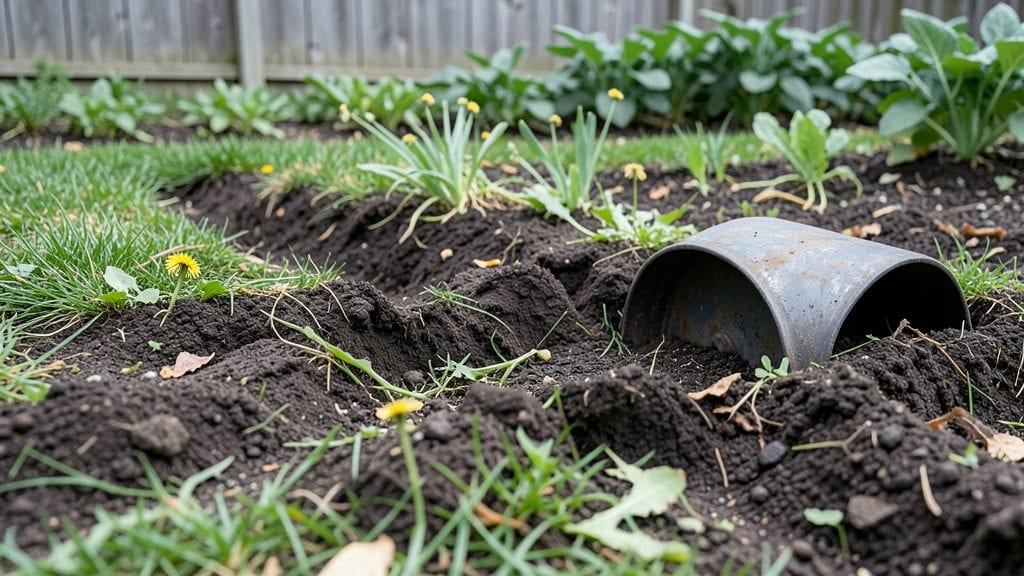
Grass recovery depends heavily on root strength and seasonal conditions—think of it like healing a bruise. 🌱 In spring and fall, when grass grows most aggressively, roots naturally fill in shallow depressions over 3-6 months if given proper water and nutrients.
However, compacted soil beneath the surface often stays stubborn, creating a "memory" that resurfaces after rain or foot traffic. The deeper the rut, the more the soil's natural structure has been disrupted, which is why some areas never fully bounce back without targeted soil work.
What many homeowners overlook is how temporary fixes like topdressing with compost or light aeration can accelerate this process by improving drainage and encouraging root growth.
I’ve seen dramatic improvements in just one growing season when combining these methods with proper watering techniques—though results vary based on your lawn’s existing health and soil type.
💡 In This Article
- How Grass and Soil Recover from Tire Ruts
- Fastest Ways to Fix Stubborn Lawn Ruts
How grass and soil recover from tire ruts
Grass recovery from tire ruts begins with the plant's natural regrowth cycle, where roots seek out less compacted soil to establish new growth. When tires pass repeatedly, they compress the soil to depths of 2-4 inches, creating a dense layer that restricts root penetration and water absorption.
This compaction forces grass blades to grow taller and thinner in rutted areas, making them more vulnerable to drought and foot traffic. The biological process involves grass roots sensing moisture and nutrients in adjacent soil, causing them to bend and grow horizontally until they find more hospitable conditions.
The seasonal timing of recovery is critical—spring and fall offer the best conditions because soil temperatures are ideal (50-75°F) for root development, and rainfall provides consistent moisture.
During these periods, grass can grow 0.5-1 inch per week under optimal conditions, gradually filling in shallow ruts over 3-6 months. However, summer heat and drought slow this process dramatically, as roots struggle to penetrate compacted layers when soil moisture drops below 30% saturation.
The key factor here is how well your lawn's existing root system can adapt to these stressed conditions.
Moisture plays a dual role in recovery—too little causes roots to shallow out, while excessive water pools in ruts, creating anaerobic conditions that suffocate roots. I've noticed that lawns with clay-heavy soil (common in many regions) take longer to recover because water drains poorly, keeping the soil saturated and compacted.
In contrast, sandy soils recover faster due to better drainage, but they also require more frequent watering to maintain root growth. The solution often involves a balance: watering deeply 2-3 times per week during dry spells to encourage downward root growth while avoiding surface puddling.
Soil compaction doesn't just affect grass—it alters the entire ecosystem beneath your lawn. Compacted soil has 30-50% less pore space than healthy soil, reducing oxygen availability to roots by up to 70%.
This lack of aeration slows microbial activity, which is essential for breaking down organic matter and releasing nutrients. Over time, the soil structure becomes permanently altered unless you intervene with techniques like aeration or topdressing.
The deeper the rut, the more likely the soil's natural structure has been permanently disrupted, which is why some areas never fully recover without professional soil leveling.
One often-overlooked aspect is how grass species influence recovery rates. Cool-season grasses like Kentucky bluegrass or fescue have deeper root systems (6-12 inches) and recover better from compaction than warm-season grasses like Bermuda, which typically have shallower roots (2-4 inches).
If your lawn is primarily warm-season grass, you'll likely see more persistent ruts unless you take active steps to improve soil structure. The grass's ability to fill in gaps depends entirely on its root strength and the soil's ability to support new growth.
For a visual example, imagine a cross-section of your lawn: the top 1-2 inches may appear green and healthy, but beneath the surface, the soil could be as hard as concrete in rutted areas.
This hidden layer is what prevents complete recovery—no matter how much grass grows above, the roots can't penetrate the compacted zone. The good news? With the right approach, you can break this cycle and restore your lawn's natural resilience. 🌱