
Lawn
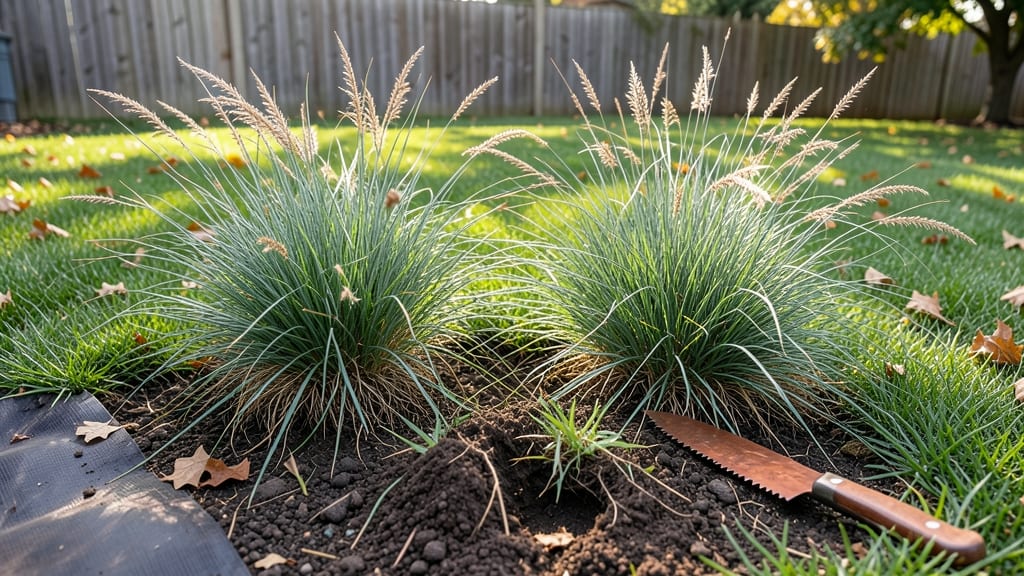
Invasive grass species in lawns—like crabgrass and nutgrass—are turning your lush lawn into a battleground. 🌱 These aggressive weeds spread fast, crowding out your grass and leaving bare spots that look like a patchwork quilt. I’ve fought them for years, and I’ll show you how to reclaim your turf without sacrificing beauty or health.
They thrive in weak soil, love heat, and pop up whenever your grass is stressed. Crabgrass sends up wiry stems, while nutgrass forms stubborn tubers that regrow from the tiniest piece. The damage? Thin grass, weeds, and a lawn that looks more like a weed patch than a green carpet.
By the end, your lawn will be dense, green, and resilient—no more scraggly invaders. We’ll tackle them with manual pulls, targeted treatments, and smarter mowing habits that keep them from coming back. No harsh chemicals needed unless absolutely necessary.
Whether you’re dealing with a small patch or a full-blown takeover, this plan works. Start with the right tools, act fast, and soon you’ll have the healthy lawn you’ve been dreaming of—without the frustration.
Root Causes of Grass Takeovers
Invasive grass species don’t just appear out of nowhere—they thrive because of specific conditions that give them an unfair advantage over native turf. Understanding these triggers is the first step to reclaiming your lawn. Here’s why these aggressive grasses take over, broken down into the most common culprits.
Invasive grasses like crabgrass or nutgrass exploit weak soil. When your lawn lacks essential nutrients—especially nitrogen, phosphorus, and potassium—your desired grass struggles to compete. These invaders also thrive in compacted or clay-heavy soil, where roots can’t penetrate easily, leaving gaps for them to fill.
Why it happens:
- Low organic matter: Soil with less than 5% organic content (like compost or decomposed plant material) can’t retain moisture or nutrients, making turf vulnerable.
- pH imbalances: Most invasive grasses prefer slightly acidic to neutral soil (pH 6.0–7.0), while some native grasses do better in alkaline conditions (pH 7.0+). A pH outside your turf’s ideal range creates weak spots.
- Fungal or bacterial stress: Diseased turf patches create open spaces where invasive seeds germinate quickly.
Actionable fix: Conduct a soil test (DIY kits are affordable) and amend with compost, lime (to raise pH), or sulfur (to lower it). Aerate compacted soil in fall to improve root depth.
Invasive grasses seize opportunities where your lawn is sparse or damaged. Thin turf—whether from drought, foot traffic, or poor mowing habits—lets sunlight reach bare soil, triggering weed seeds to sprout.
Why it happens:
- Over-mowing or scalping: Cutting grass too short (below 2–3 inches) weakens roots and exposes soil.
- Irregular watering: Drought-stressed grass turns brown and dies back, creating gaps. Conversely, overwatering can drown roots, leaving patches vulnerable.
- Foot traffic or pet damage: Compacted or trampled areas prevent grass from recovering, giving invaders a foothold.
Actionable fix:
- Mow at the top third of your grass’s recommended height (e.g., 3–4 inches for Kentucky bluegrass).
- Water deeply 1–2 times per week (1 inch total) to encourage deep roots.
- Repair bare spots with seed or sod immediately—don’t wait for weeds to move in.
Many invasive grasses hitchhike into lawns via contaminated seed mixes, soil amendments, or even neighboring properties. Some, like bermudagrass, spread aggressively through underground runners (rhizomes) or above-ground stems (stolons).
Why it happens:
- Cheap or low-quality seed: Some seed blends contain 5–10% weed seeds to cut costs. Always buy certified weed-free seed.
- Wind or animal dispersal: Grasses like orchardgrass produce lightweight seeds that travel easily. Birds and wildlife also spread seeds via their fur or droppings.
- Equipment transfer: Mowers, rakes, and shoes can carry invasive grass fragments to new areas.
Actionable fix:
- Sanitize tools between uses with a 10% bleach solution (1 part bleach to 9 parts water).
- Choose native or region-specific grass seed blends designed to outcompete invaders.
- Isolate infested areas with landscape fabric or edging to prevent spread.
Some invasive grasses are simply better adapted to your local climate than your lawn grass. For example, bahiagrass dominates in warm, humid Southern states, while quackgrass thrives in cooler Northern regions. Seasonal changes—like early springs or late frosts—can also disrupt turf growth cycles, giving invaders an edge.
Why it happens:
- Early germination: Warm-season grasses (e.g., crabgrass) sprout as soon as soil reaches 55°F—often before your cool-season grass wakes up in spring.
- Drought tolerance: Many invasive grasses survive with less water than Kentucky bluegrass or fescue.
- Heat stress: During summer slumps, some turf grasses go dormant, leaving open space for weeds.
Actionable fix:
- Apply pre-emergent herbicides in early spring (before soil warms) to block weed seeds.
- Choose drought-resistant turf varieties if your climate is dry (e.g., tall fescue or zoysiagrass).
- Mulch heavily in summer to retain moisture and protect roots.
Pro Tip: 💡 Prevention is easier than eradication. Regularly inspect your lawn for early signs of invasion (thin patches, odd-colored shoots) and address soil or care issues before grasses like nutgrass (with its tough nutlets) become a permanent problem.
Kick Out Invaders Naturally
Fighting invasive grass species in your lawn doesn’t have to mean harsh chemicals or endless backbreaking work. The key is targeting the root cause with the right approach—whether it’s crowding, poor soil, or aggressive spreaders.
Below, we break down the most effective solutions, tailored to the problem, plus tips to keep your lawn lush and invader-free long-term.
If you’ve spotted crabgrass, nutsedge, or other tough invaders, the first step is to cut them off at the pass—literally.
🔪 Hand-Pulling & Digging (Best for Small Patches)
- When to do it: Early morning or after rain (soil is soft).
- How to do it:
- Use a hand trowel or weeding tool to dig deep—aim for the entire root system.
- For nutsedge (with its triangular stems), pull gently but firmly—its roots break easily.
- Dispose of clippings in the trash (not compost)—seeds can survive and regrow!
- Pro tip: 💡 Wear gloves! Some invasive grasses (like bermudagrass) can irritate skin.
🌱 Solarization (For Large, Weedy Areas)
- Best for: Warm climates, bare soil patches, or before reseeding.
- How it works:
- Lay clear plastic sheeting over the infested area for 4–6 weeks during hot, sunny days.
- The sun bakes the soil, killing weeds and seeds without chemicals.
- Pro tip: 🌡️ Check soil temps—aim for 104°F (40°C)+ for max effectiveness.
🚜 Mowing & Smothering (Prevent Regrowth)
- For crabgrass & annual weeds:
- Mow high (3–4 inches) to shade out weeds and strengthen turf.
- Bag clippings to remove seeds before they spread.
- For stubborn patches:
- Cover with cardboard + mulch for 3–4 weeks to smother growth before reseeding.
Healthy grass is the best defense. If your lawn is thin or weak, invaders will move in like uninvited guests at a buffet.
💧 Water Deeply, Less Often
- Problem: Shallow watering encourages crabgrass and weakens turf roots.
- Fix:
- Water 1–1.5 inches per week (including rain).
- Water early morning to reduce fungal risks.
- Pro tip: ✨ Use a rain gauge or tuna can to measure—eyeballing it leads to over/under-watering!
🌿 Overseed & Fertilize Smartly
- For thin lawns:
- Overseed in fall with a dense, competitive grass (like tall fescue or perennial ryegrass).
- Apply a slow-release fertilizer to feed roots, not just top growth.
- Avoid: 🚫 Over-fertilizing with high-nitrogen blends—it can make grass more susceptible to weeds.
🔄 Aerate & Top-Dress (For Compacted Soil)
- Problem: Compacted soil = poor drainage = weak grass = weed paradise.
- Fix:
- Rent a core aerator and poke holes 3–4 inches deep in spring or fall.
- Top-dress with compost or sand to improve soil structure.
- Pro tip: 💪 Do this before overseeding for best results.
If physical and cultural methods aren’t enough, targeted treatments can help—but choose wisely.
🍄 Pre-Emergent Herbicides (For Prevention)
- Best for: Stopping crabgrass and other annual weeds before they sprout.
- How to use:
- Apply in early spring (when soil temps hit 55–60°F / 13–16°C).
- Look for corn gluten meal (organic) or prodiamine (synthetic).
- ⚠️ Warning: Pre-emergents won’t kill existing weeds—they only prevent new ones.
🔫 Post-Emergent Herbicides (For Active Weeds)
- Best for: Targeting nutsedge, bermudagrass, or broadleaf invaders.
- How to choose:
- Selective herbicides (e.g., 2,4-D) kill weeds but spare grass.
- Non-selective (e.g., glyphosate) kills everything—use only for total reset before reseeding.
- Pro tip: 🎯 Apply on a calm, dry day—wind can spread chemicals to unwanted areas.
🌿 Natural Alternatives
- Vinegar + Soap Spray (for small patches):
- Mix 1 gallon vinegar + 1 oz dish soap. Spray directly on weeds (avoid grass!).
- Works best on broadleaf weeds, not grasses.
- Boiling Water (for sidewalk cracks or driveways):
- Pour boiling water directly on weeds—kills them instantly.
The best offense is a well-armed lawn. Follow these steps to make your turf a no-go zone for invaders.
- 🔄 Test Your Soil (Every 2–3 years):
- Use a DIY soil test kit to check pH and nutrient levels. Adjust with lime (for acidic soil) or sulfur (for alkaline).
- 🌱 Choose Native Grasses:
- Opt for drought-resistant, low-maintenance grasses like buffalograss or fine fescue that crowd out weeds naturally.
- 🚫 Avoid Over-Tilling:
- Tilling too deep or often brings weed seeds to the surface. Lightly rake instead.
- 👀 Stay Vigilant:
- Pull weeds early before they seed. Even a handful of crabgrass can produce 150,000 seeds per plant!
With a mix of physical removal, turf toughening, and smart prevention, you can reclaim your lawn from invasive grasses—without resorting to extreme measures. Start with one or two methods this season, and watch your lawn bounce back healthier than ever.
Frequently asked questions
How do I tell if I have invasive grass or just regular weeds?
Look for these red flags: aggressive spread (like crabgrass forming dense mats), deep roots (like nutsedge with triangular stems), or persistent regrowth after mowing. Invasive grasses often have wire-like stems or rhizomes that spread underground. Compare to your lawn grass—if it looks scraggly, grows faster, or crowds out your turf, it's likely an invader.
Can I use vinegar to kill invasive grasses without harming my lawn?
Vinegar works best for small patches of broadleaf weeds, not grassy invaders like crabgrass or nutsedge. For grassy weeds, mix 1 gallon white vinegar + 1 oz dish soap and spray directly on leaves (avoid grass). The acetic acid burns weeds, but it won't reach deep roots. For tough grasses, combine with hand-pulling or targeted herbicides to prevent regrowth.
Why do invasive grasses keep coming back even after I pull them?
Most likely, you're missing the roots or seed heads. Crabgrass and nutsedge can regrow from tiny root fragments or hidden seeds. Always pull deeply (2-3 inches) and dispose of clippings in the trash (not compost). For nutsedge, break the nutlets (triangular tubers) to prevent regrowth. Follow up with pre-emergent herbicide in spring to block new seeds.
Is it better to use chemical herbicides or natural methods?
It depends on the invasion's severity. For small patches, try hand-pulling, solarization, or vinegar. For large infestations (like bermudagrass), targeted selective herbicides (e.g., 2,4-D) work faster. Always test a small area first. Natural methods require consistency—chemicals provide quicker results but may harm beneficial insects. Balance is key: prevent first with healthy turf practices.
How long does it take to fully eliminate invasive grasses?
Persistence is key! With consistent efforts, you can see significant improvement in 4-6 weeks. Deep-rooted invaders like quackgrass may take 1-2 seasons to fully eradicate. Combine manual removal (early spring/fall), pre-emergent treatments, and turf strengthening (aeration, overseeding). Check weekly for new sprouts—early action prevents seed spread.