
Lawn
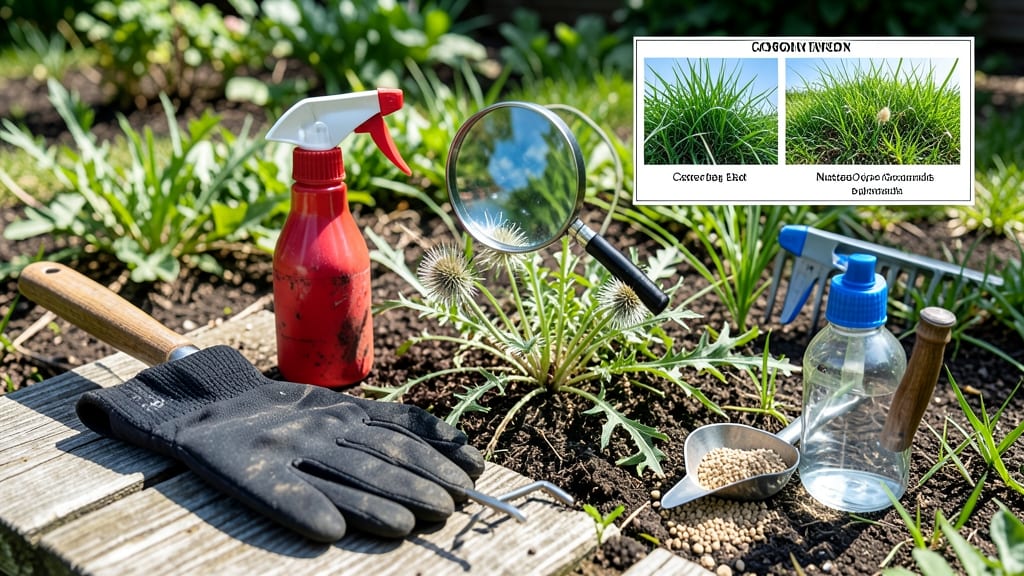
The bad grasses in lawns that turn your green carpet into a patchwork of frustration—crabgrass and nutsedge—are the real villains of summer. 🌱 I’ve spent years battling these stubborn weeds, and the key to fast removal starts with knowing exactly what you’re dealing with—because treating them wrong just makes them stronger.
Most "bad grasses" thrive because they exploit weak spots in your lawn: thin turf, compacted soil, or overwatering. Crabgrass spreads like a carpet in summer heat, while nutsedge shoots up through the soil like little yellow torpedoes.
The good news? Once you spot them early, you can outsmart them with the right tools and timing.
You’ll learn to pull them out before they spread, smother them with mulch or vinegar, or use targeted pre-emergent treatments that won’t harm your grass. The goal isn’t just to remove them—it’s to rebuild a lawn so thick and healthy that weeds can’t take hold again.
Whether you’re dealing with a small patch or a full-blown invasion, this guide gives you the fast, sustainable methods to reclaim your lawn—without resorting to harsh chemicals. Let’s get started.
Root Causes of Unwanted Grasses
If your lawn is overrun by weedy, tough grasses that refuse to stay put, the issue likely stems from a mix of environmental, cultural, and biological factors. Understanding these root causes is the first step toward reclaiming a lush, healthy lawn.
Below, we break down the science behind why these unwanted grasses take over—and how you can address them.
Weedy grasses thrive where desirable turfgrasses struggle. The culprit? Compacted, nutrient-poor, or imbalanced soil. Here’s why:
- 🔬 Compacted Soil = Less Oxygen, More Weeds Heavy foot traffic, machinery, or clay-heavy soils squeeze out air and water, suffocating grass roots. Weedy grasses like crabgrass and nutgrass have shallow, aggressive root systems that sprout even in compacted layers where turfgrasses can’t compete.
- 🧪 Lack of Essential Nutrients Turfgrasses need nitrogen (N), phosphorus (P), and potassium (K) to grow thick and outcompete weeds. If your soil is deficient—especially in nitrogen—weedy grasses fill the gap. A soil test reveals imbalances (e.g., high phosphorus but low nitrogen) that favor weeds over lawn grasses.
- 💧 pH Imbalances Throw Off the Balance Most turfgrasses prefer a pH of 6.0–7.0. If your soil is too acidic (<5.5) or alkaline (>7.5), desirable grasses weaken while weeds like dandelions or chickweed flourish. pH affects nutrient availability—e.g., aluminum toxicity in acidic soil stunts grass roots, leaving space for invaders.
💡 Pro Tip: Test your soil every 2–3 years. Amend with gypsum (for compaction), compost (for nutrients), or lime/sulfur (for pH) based on results.
Drought, extreme heat, or poor drainage don’t just stress your lawn—they invite weeds. Here’s how:
- 💦 Inconsistent Watering = Weed Buffet Turfgrasses need 1–1.5 inches of water per week (including rain). Skipping watering or overwatering creates gaps:
- Underwatering: Dormant grass leaves bare spots where crabgrass or goosegrass germinate.
- Overwatering: Soggy soil encourages nutgrass and sedges, which thrive in wet conditions.
- ☀️ Heat and Drought Weakens Grass During summer slumps, turfgrasses go dormant, while weedy annuals (like henbit) sprout rapidly. Shade-loving weeds (e.g., creeping Charlie) also take over where grass thins under stress.
- 🌧️ Poor Drainage = Weed Paradise Waterlogged areas (common in clay soils) create anaerobic zones where nutgrass and marsh grass dominate. Even "drought-tolerant" grasses like Bermuda struggle in standing water.
🔥 Action Step: Install French drains or aerate compacted areas to improve drainage. Water deeply but infrequently (early morning) to encourage deep root growth.
Even well-meaning lawn care can accidentally promote weeds. Common offenders:
- ✂️ Mowing Too Short or Too Tall
- Scalping (below 2–3 inches): Exposes soil to sunlight, triggering crabgrass seeds.
- Leaving clippings too long: Thatch buildup smothers grass roots, favoring broadleaf weeds.
- 💊 Over- or Under-Fertilizing
- Excess nitrogen: Fuels fast but weak growth, making grass vulnerable to weeds.
- Skipping fall fertilization: Weakens grass in winter, letting cool-season weeds (like chickweed) take over.
- 🚫 Ignoring Pre-Emergent Timing Pre-emergent herbicides (like pendimethalin) must be applied before weed seeds germinate (typically early spring for crabgrass). Miss the window, and weeds win.
🎯 Key Fix: Adjust mower height to 3–4 inches for most grasses. Apply a slow-release fertilizer in early fall to strengthen roots.
Grass isn’t the only living thing competing in your lawn. Insects, fungi, and diseases can weaken turf, creating opportunities for weeds:
- 🐜 Grubs and Chinch Bugs Devour Roots Grubs (larvae of beetles) and chinch bugs feed on grass roots, causing brown patches where weedy grasses or clover move in. Overwatering after infestations worsens the problem.
- 🍄 Fungal Diseases (e.g., Dollar Spot, Brown Patch) Fungal infections create thin, stressed areas where annual bluegrass or foxtails sprout. Fungi thrive in high humidity and poor airflow (common in thick thatch).
- 🦟 Weed Seeds Hitchhike on Soil Some weeds (nutgrass, dallisgrass) spread via rhizomes or stolons, while others (chickweed) arrive via wind-blown seeds or contaminated soil (e.g., from mulch or compost).
🔪 Solution: Treat grub infestations with beneficial nematodes or imidacloprid. For fungi, improve airflow with core aeration and reduce thatch.
By tackling these root causes—soil health, environmental stress, lawn care habits, and pests—you’ll starve out unwanted grasses and give your desired turf a fighting chance. The key? Prevention through consistency and targeted corrections.
How to solve it
Once you’ve identified the culprits behind your lawn’s unwanted grasses—whether it’s nutgrass, crabgrass, or creeping bentgrass—the next step is action. The good news? Most issues can be resolved with a mix of manual removal, chemical control, and smart prevention.
Below, we’ll break down practical solutions tailored to the root cause of your problem, plus tips to keep your lawn lush and weed-free long-term.
If your lawn is sparse or patchy, bad grasses thrive because they fill the gaps. The fix? Strengthen your turf’s defenses with these steps:
- 🍳 Overseed bare spots with high-quality grass seed (choose a type that matches your climate, like tall fescue or Kentucky bluegrass). Spring or early fall are ideal times for seeding.
- 👨🍳 Fertilize properly—use a slow-release, nitrogen-rich fertilizer to encourage dense growth. Follow package instructions for application rates.
- 🌱 Mow high (3–4 inches) to shade out weeds and promote deeper root systems. Never cut more than one-third of the grass blade at once.
💡 Pro Tip: Aerate compacted soil in late summer or early fall to help roots breathe and absorb nutrients. Rent a core aerator or hire a pro for large lawns.
For stubborn invaders like nutgrass or crabgrass, precision is key. Here’s how to tackle them without harming your lawn:
| Weed Type | Solution | When to Apply |
|---|---|---|
| Nutgrass | Pull by hand (dig deep—roots are tough!) or spray with glyphosate (like Roundup) on a dry day. For organic control, use vinegar + dish soap (reapply weekly). | Spring or fall (avoid summer heat). |
| Crabgrass | Apply a pre-emergent herbicide (like pendimethalin) in early spring before germination. For existing patches, use a post-emergent like 2,4-D (spot-treat only). | Pre-emergent: March–April; Post-emergent: Late spring/early summer. |
| Creeping Bentgrass | Hand-pull or smother with cardboard + mulch for 4–6 weeks. For chemical control, use dicamba-based herbicides (follow label directions carefully). | Fall or early spring (avoid summer stress). |
✨ Safety Note: Always wear gloves and follow herbicide labels. Test spray on a small area first to avoid damaging desirable plants.
If your soil is too acidic, compacted, or nutrient-depleted, weeds will keep returning. Rebalance it with these steps:
- 📊 Test your soil (use a DIY kit or send a sample to a local extension office). Aim for a pH of 6.0–7.0 for most grasses.
- 💪 Amend the soil:
- For acidic soil: Sprinkle lime in fall.
- For compacted soil: Mix in compost or sand.
- For poor drainage: Add gypsum or create swales.
- 🌱 Mulch lightly with 1–2 inches of organic mulch (like straw) to retain moisture and block weed seeds.
💡 Pro Tip: Avoid overwatering—keep soil 1–2 inches deep moist but not soggy. Weeds like nutgrass need consistent moisture to spread.
The best way to beat bad grasses? Stop them before they start. Here’s how to create a weed-resistant lawn:
- 🎯 Pre-emergent herbicides: Apply in early spring (before weeds sprout) to block germination. Reapply as needed (check product guidelines).
- 🌱 Regular mowing: Keep grass at 3–4 inches to compete with weeds for sunlight.
- 🔄 Rotate treatments: Weeds develop resistance—alternate between chemical and manual/organic methods.
- 🚫 Remove thatch: Over ½-inch thick, thatch smothers grass roots. Dethatch in late spring with a rake or machine.
🌟 Bonus: Invite beneficial insects (like ladybugs) and microbes by using compost tea or native plants. A healthy ecosystem naturally suppresses weeds!
Frequently asked questions
How do I tell if my lawn has crabgrass vs. nutsedge?
Crabgrass has flat, finger-like leaves that grow in clusters, while nutsedge (also called nutgrass) has triangular stems that feel spongy when squeezed. Crabgrass spreads outward, while nutsedge shoots up like little yellow torpedoes from underground tubers. Check the roots—crabgrass has fibrous roots, while nutsedge has thick, bulb-like tubers.
Can I use vinegar to kill weeds in my lawn?
Yes, but with caution! A mix of 1 gallon vinegar + 1 cup dish soap works as a natural herbicide, but it kills all plants it touches—weeds and grass alike. Use it only on driveways, sidewalks, or spot-treat weeds between grass patches. For lawns, apply early morning or late evening to avoid burning nearby plants.
Why do weeds keep coming back after I treat them?
Weeds often return because their seeds or roots survive treatment. Many weeds produce thousands of seeds that lie dormant in the soil for years. To break the cycle, combine treatments: pull weeds by hand, apply pre-emergent herbicides in early spring, and overseed bare spots to crowd out new growth. Consistency is key—weeds exploit weak spots!
Is it better to use organic or chemical weed killers?
It depends on your lawn’s needs. Organic methods (vinegar, corn gluten meal, or manual removal) are safer for pets/kids but require more effort. Chemical herbicides (like glyphosate or 2,4-D) work faster but can harm desirable plants if misused. For best results, spot-treat weeds with chemicals and use organic prevention (like pre-emergent corn gluten meal) to reduce reliance on harsh chemicals.
How often should I aerate my lawn to prevent weeds?
Aerate your lawn once a year in late spring or early fall for most climates. This breaks up compacted soil, allowing grass roots to access nutrients and water while starving out weeds. If your soil is particularly dense (like clay), aerate twice a year. Follow up with overseeding and a light layer of compost to boost grass growth and outcompete weeds.