
Lawn
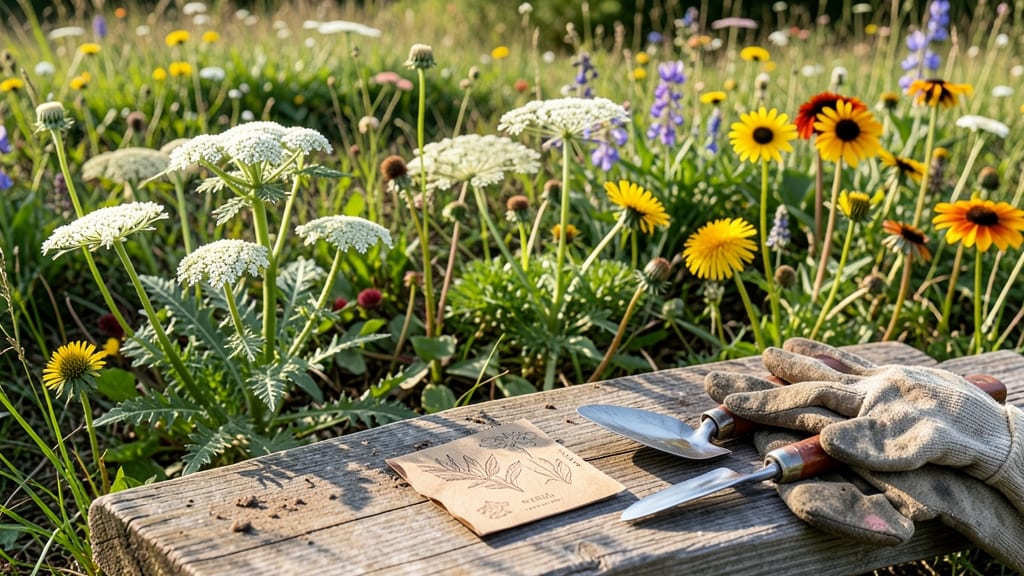
A wildflower lawn transforms your yard into a buzzing pollinator paradise where bees, butterflies, and hummingbirds outnumber weeds. 🌼 I swapped my mower for a scythe after my first season—no more gas, no more backaches, just a meadow that blooms from spring to frost.
The key is choosing the right mix of native seeds for your region, because those are the ones that thrive without coddling.
You’ll need a sunny spot (at least 6 hours of light daily), some basic soil prep (just till or aerate if needed), and a sprinkler or rain to keep things moist for the first few weeks. The best part?
Once established, these plants handle drought like pros and spread naturally—no replanting required. Think of it as a low-maintenance carpet that changes colors with the seasons: purple in spring, gold in summer, and goldenrod in fall.
By late summer, you’ll have a yard that hums with life instead of roaring with equipment. The air smells richer, the colors deeper, and your local ecosystem gets a boost. Neighbors will ask how you do it—here’s your chance to share the secret of zero-mowing beauty.
This works for small patches or entire backyards, urban lots or country fields.
📚 In This Guide
- What you need
- Instructions
- Tips and common mistakes
- Wrapping up and next steps
What you need
- ● Wildflower seed mix: Choose a native blend suited to your climate (e.g., 1–2 lbs per 100 sq. ft.). Look for low-maintenance varieties like clover, yarrow, or black-eyed Susans.
- ○ Lawn soil or topsoil: 2–3 inches of nutrient-rich soil (optional if existing soil is healthy).
- ● Rake: A sturdy garden rake (wide teeth for aeration).
- ● Broadcast spreader (or hand-spreader): For even seed distribution.
- ● Water source (hose or sprinkler): With a gentle mist setting.
- ○ Optional mulch (straw or peat moss): ¼ inch layer to retain moisture (especially in dry climates).
- ● Sunlight access: Full sun (6+ hours/day) for most wildflowers; partial shade for woodland blends.
- ● Well-draining soil: Test pH (ideal: 6.0–7.5). Amend with compost if needed.
- ○ Weed barrier fabric (optional): To suppress grass/weeds in the first year (lay before seeding).
- ● Gloves & knee pads: For comfort during prep.
- ● Patience: Wildflowers thrive with minimal intervention—no mowing needed!
Step-by-Step guide to creating a wild flower lawn
Transform your yard into a buzzing pollinator paradise with this simple, low-maintenance approach.
🌱 Step 1: Clear and Prepare the Existing Lawn
Start by removing any existing grass or weeds using a sod cutter or shovel. I like to work in small sections—about 4 feet by 4 feet at a time—so I don’t get overwhelmed. Rake up all debris and loosen the soil with a garden fork, breaking up any compacted areas. This helps wildflower seeds make good contact with the soil later.
If your soil is heavy clay or very sandy, mix in a 1-inch layer of compost to improve drainage and fertility. Wildflowers thrive in well-draining soil, so avoid areas where water pools after rain. Test a small patch by watering it—if water sits for more than a few hours, choose a different spot.
☀️ Step 2: Choose and Scatter Wildflower Seeds
Select a wildflower seed mix designed for your climate zone—look for native species like black-eyed Susans, milkweed, or coneflowers. These plants attract pollinators year-round and require minimal care. Scatter the seeds evenly by hand, following the rate on the seed packet (usually about 1/4 pound per 100 square feet).
Lightly rake the seeds into the soil with a fine-toothed rake, pressing them just enough to make contact with the earth. This prevents them from washing away during watering. I like to walk through the area afterward to ensure no bare spots remain. Avoid covering seeds with more than 1/4 inch of soil—most wildflowers need light to germinate.
💧 Step 3: Water Gently and Consistently
Keep the soil moist but not soggy for the first 2-3 weeks after planting. Water lightly each morning with a gentle spray nozzle to avoid disturbing the seeds. You’ll know you’re doing it right when the soil stays damp about 1 inch deep—stick your finger in to check. Overwatering can cause seeds to rot, so let the top layer dry slightly between waterings once germination begins.
Once seedlings appear, reduce watering to once or twice a week, depending on rainfall. Wildflowers are drought-tolerant once established, so avoid keeping the soil constantly wet. This step is critical—too much water early on can lead to mold or fungal issues that kill young plants.
⏰ Step 4: Let Nature Take Over
After the first growing season, your wildflower lawn will look sparse, but don’t worry—patience is key. Most wildflowers take 2-3 years to reach full bloom. During this time, avoid mowing or fertilizing. Instead, let the plants grow tall and set seed, which ensures they’ll return year after year. You’ll start seeing more color and activity from pollinators like bees and butterflies by the second summer.
If weeds start to dominate, hand-pull them early in the season before they compete with wildflowers. A quick check every few weeks keeps the area looking tidy without chemicals. By the third year, your lawn will be self-sustaining, with wildflowers crowding out weeds naturally.
🌿 Step 5: Enjoy and Maintain Minimally
Once established, your wildflower lawn requires almost no maintenance. In late fall or early winter, you can cut back any dead growth to about 3-4 inches tall to keep the area neat. This also protects overwintering pollinators like bees and butterflies. Avoid raking up all the debris—many wildflowers self-seed, and leaving some stems behind encourages new growth.
If you notice bare patches, scatter a little extra seed in the spring. Over time, your lawn will evolve into a dynamic ecosystem that changes with the seasons. The best part? You’ll spend far less time mowing and more time watching the bees, butterflies, and birds that call your yard home.
Tips & tricks for perfect wild flower lawn
Here's what nobody tells you about creating a thriving wildflower meadow that actually attracts pollinators.
Soil Prep Secret: Before adding compost in Step 1, test your soil's pH with a simple kit from your garden center. Wildflowers generally prefer slightly acidic to neutral soil (pH 6.0-7.0). If your soil is alkaline (above 7.0), mix in a thin layer of peat moss or pine needles to help acidify it naturally. This small step makes a huge difference in seed germination rates and plant health.
Seed Selection Tip: When choosing your wildflower mix in Step 2, look for blends that include at least 20% milkweed if you want to support monarch butterflies. These native plants are critical for their lifecycle, and having them in your mix ensures you'll see these beautiful orange butterflies visiting your garden. I always check the seed packet for the percentage of native species—aim for 50% or higher for maximum pollinator benefits.
Watering Wisdom: During the critical 2-3 week watering period in Step 3, I've found that watering in the early morning (before 9 AM) is ideal. This gives the soil time to dry slightly during the day, reducing the risk of fungal diseases that thrive in constantly wet conditions. Use a rain gauge to measure about 1 inch of water per week—this helps you avoid both underwatering and overwatering.
Weed Prevention Strategy: In Step 4, when you notice weeds starting to compete, try the "weed smothering" technique. Lay down thick layers of newspaper or cardboard over the weeds, then cover with mulch. This blocks sunlight and kills weeds without chemicals. I've used this method in my own wildflower areas and seen dramatic improvements in just a few weeks.
Pro Tips for Wild Flower Lawn
- Here's what nobody tells you about creating a thriving wildflower meadow that actually attracts pollinators.
- Soil Prep Secret: Before adding compost in Step 1, test your soil's pH with a simple kit from your garden center.
- Seed Selection Tip: When choosing your wildflower mix in Step 2, look for blends that include at least 20% milkweed if you want to support monarch butterflies.
Frequently asked questions
Got questions about transforming your lawn into a buzzing wildflower paradise?
Here are answers to the most common ones—so you can dive in with confidence!
How do I time my wildflower lawn planting for the best results?
Plant wildflower seeds in early spring (March–April) or late summer (August–September) for optimal germination. Spring planting gives flowers time to establish roots before summer heat, while late summer avoids competition from summer grasses. For perennial mixes, fall planting (September–October) also works well in mild climates.
Will a wildflower lawn attract pests like mosquitoes or rodents?
Nope! Wildflower lawns reduce pests by supporting natural predators (like ladybugs and lacewings) and disrupting mosquito breeding cycles. Dense ground covers and diverse plants make it harder for rodents to nest. Just avoid stagnant water—keep birdbaths clean and drain rainwater promptly.
Is a wildflower lawn more expensive than a traditional lawn?
Not at all! Upfront costs are similar (seeds vs. sod/grass), but you’ll save $50–$200/year on mowing, fertilizers, and pesticides. Over 3–5 years, wildflower lawns are far cheaper to maintain. Plus, no gas or equipment wear-and-tear!
Can I still walk or play on a wildflower lawn?
While wildflowers won’t handle heavy foot traffic like Kentucky bluegrass, they’re tougher than you think. For high-use areas, mix in clover or creeping thyme for resilience. Avoid walking when flowers are in bloom to protect pollinators—and wear closed-toe shoes to avoid tick risks.
How do I prepare for winter in a wildflower lawn?
Leave seed heads and dead foliage until late winter—they provide shelter for pollinators and wildlife. In cold climates, mulch lightly with straw (1–2 inches) to protect roots. Avoid heavy snow removal; brush off instead. Most wildflowers are perennial and bounce back in spring!
What if my wildflower lawn looks patchy or weeds take over?
Patchiness is normal! Thin areas can be overseeded in spring or fall. For weeds, hand-pull or spot-treat with vinegar (50/50 vinegar-water spray) in early spring. Prevention is key: Choose high-quality seed mixes and mow (if needed) to 3–4 inches to crowd out invaders.
Wrapping up and next steps
Transforming your lawn into a wild flower haven isn’t just a win for pollinators—it’s a celebration of nature’s beauty with minimal effort! By ditching the mower and embracing native blooms, you’ll create a vibrant, low-maintenance space that thrives year-round. 🌼
Ready to take the leap? Start small—even a single patch of wildflowers makes a difference. Next up: Pick your favorite native seeds, prep your soil, and watch your garden buzz with life! 🐝🌱