
Lawn
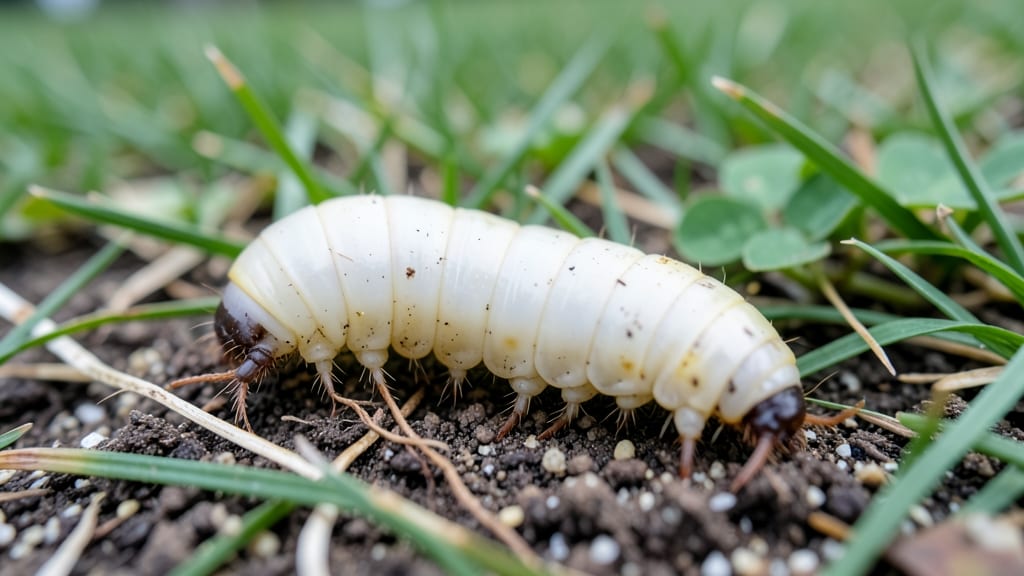
Why do I have grubs in my lawn? Suddenly, it looks like a golf course after a sand trap—thin patches, spongy spots, and grass pulling up easily? 🌱 That’s grubs, and they’re the hidden culprits behind your lawn’s slow decline. These C-shaped white larvae munch on grass roots, turning healthy turf into a patchwork of damage overnight. The good news? You can kick them out without poisoning your lawn’s roots or the ecosystem beneath.
Grubs thrive when your lawn gives them the perfect buffet: thick thatch, overwatering, and a lack of natural predators. I’ve seen them turn a lush yard into a sad, brown mess—until I learned their lifecycle and disrupted their party.
The key is acting fast, before they pupate into beetles and start the cycle again. Most damage happens in late summer and fall, so timing matters more than you’d think.
You’ll banish grubs naturally with beneficial nematodes (microscopic worms that hunt them) or milky spore (a bacteria that builds up over time). For quick fixes, grub control products work—but they’re harsher on the environment.
Either way, you’ll see fewer brown patches within 2-3 weeks of treatment, and your grass will root deeper than ever.
Prevention is where real lawn care magic happens. Aerate in spring, overseed bare spots, and keep thatch under ½ inch—grubs hate competition. A healthy lawn crowds them out, so think of this as an investment in long-term resilience. No more guessing games: here’s how to outsmart them for good.
The Hidden Causes Behind Lawn Grubs
Grubs—those squirming, C-shaped larvae—don’t just appear in your lawn by chance. They’re the result of a mix of environmental conditions, human habits, and the natural life cycle of beetles.
Understanding these triggers is the first step to reclaiming your yard without resorting to harsh chemicals. Let’s dig into the real reasons grubs take up residence in your grass.
Grubs start as eggs, and their parents are the culprits. Most lawn grubs come from Japanese beetles, June beetles, or European chafer beetles, which lay eggs in warm, moist soil during late spring or summer.
- Why it happens: Female beetles seek out grassy areas to deposit their eggs because the organic matter and roots provide an ideal food source for the larvae.
- How to spot it: If you see chewed leaves on roses, grapes, or linden trees (a sign of adult beetles feeding), eggs are likely already buried in your lawn.
- Actionable tip: 💡 Set up beetle traps early in the season (before July) to reduce egg-laying populations—but place them at least 20 feet from your lawn to avoid attracting more beetles to your yard.
Grubs thrive in rich, moist conditions—exactly what many homeowners create by overwatering or over-fertilizing.
- Why it happens: - Excess water keeps soil soft and aerated, making it easier for beetles to lay eggs and for grubs to feed. - High-nitrogen fertilizers (like quick-release lawn foods) create a buffet of tender grass roots, encouraging grubs to stay and multiply. - Scientific breakdown: Grubs prefer soil with a moisture content of 15-20% and high organic matter.
If your lawn stays soggy or you fertilize heavily, you’re basically inviting them to move in. - Actionable fix: ✨ Adjust your watering schedule to 1-1.5 inches per week (including rain) and switch to slow-release, balanced fertilizers (like 16-4-8) to avoid nitrogen spikes.
Grubs are picky about their real estate. They love warm, protected environments where predators (like birds or beneficial nematodes) can’t easily reach them.
- Why it happens:
- Shady lawns stay cooler and damper longer, slowing down natural predators and keeping grubs safe.
- Compacted soil (from foot traffic or heavy machinery) creates airless pockets where grubs can hide undetected.
- Thatch buildup (a layer of dead grass between soil and roots) provides insulation and food, making it a grub hotspot.
- How to disrupt their comfort:
- Aerate your lawn in early fall to break up compacted soil. 🔥
- Thin out dense grass to improve airflow and reduce thatch.
- Mow high (3-4 inches) to shade the soil less and encourage deeper root growth, which grubs can’t access as easily.
Healthy grass isn’t just pretty—it’s grub-resistant. When grass is weak (due to drought, disease, or poor soil), grubs have an easier time feasting on roots.
- Why it happens:
- Drought-stressed grass produces weaker roots, which grubs can devour more easily.
- Fungal infections (like brown patch or dollar spot) create soft, decaying roots that grubs target first.
- Poor soil drainage leads to root rot, making grass vulnerable.
- How to strengthen your lawn’s defenses:
- Test your soil and amend with compost or mycorrhizal fungi to boost root health. 💪
- Water deeply but infrequently to encourage deep root systems.
- Apply a preventative fungicide in early summer if your lawn is prone to disease.
Grubs don’t usually take over lawns where their predators are active. When these helpers disappear, grub populations explode.
- Why it happens:
- Birds, toads, and moles eat grubs—but if you’ve used broad-spectrum pesticides, these predators may have left.
- Beneficial nematodes (microscopic worms) and ground beetles naturally control grub numbers, but they need healthy soil and minimal chemical interference.
- How to restore the balance:
- Avoid insecticides that kill non-target species (like neonicotinoids).
- Encourage wildlife by adding a small water feature or native plants that attract birds.
- Apply milky spore bacteria (a natural grub-fighting organism) in early spring to establish long-term control. 🎯
How to solve it
Finding grubs in your lawn can feel like a pest invasion, but the good news is that you can tackle them effectively—without harming your grass roots. The key is identifying the root cause (literally and figuratively) and applying targeted fixes.
Below, we’ve mapped out solutions based on the most common reasons grubs appear, along with prevention tips to keep your lawn healthy long-term.
If your lawn is soggy or compacted, grubs thrive in the damp, oxygen-deprived conditions. Here’s how to improve soil health and discourage them:
- 💡 Reduce Overwatering: Water deeply but less frequently—aim for 1–1.5 inches per week (including rainfall). Early morning is best to prevent fungal growth. - 🌱 Aerate the Lawn: Rent a core aerator or hire a pro to pull small soil plugs (about 3–4 inches deep).
This loosens compacted soil, allowing roots to breathe and grubs to dry out. - 🔪 Apply Organic Matter: Spread 2–3 inches of compost or topsoil after aerating. This improves drainage and starves grubs by making the soil less hospitable.
✨ Prevention Tip: Test your soil’s drainage by digging a 6-inch hole and filling it with water. If it drains in less than 6 hours, your lawn is fine. If it takes longer, amend with sand or organic material.
A thick, nitrogen-rich lawn is a grub buffet. Adjust your care routine to make your grass less inviting:
- 👨🍳 Raise Mower Height: Set your mower to 3–4 inches to encourage deep roots and shade out weeds (which grubs also love). - 🥘 Skip High-Nitrogen Fertilizer: Grubs feast on tender, fast-growing grass.
Switch to a slow-release, balanced fertilizer (like 10-10-10) or use organic options (e.g., bone meal, alfalfa meal). - 🔪 Dethatch if Needed: If your lawn has a thick layer of thatch (over ½ inch), dethatch to reduce moisture retention—grubs hate dry conditions.
💡 Pro Tip: Over-seed in late summer/early fall with tall fescue or perennial ryegrass, which are grub-resistant and tougher than Kentucky bluegrass.
If Japanese beetles are the culprits (they lay eggs that hatch into grubs), disrupt their lifecycle with these methods:
- 🕷️ Handpick Adult Beetles: Drop them into soapy water to kill them.
Do this in the morning when they’re sluggish from dew. - 🌿 Plant Trap Crops: Grow roses, grapes, or marigolds nearby—beetles flock to them, away from your lawn. - 🔪 Use Milky Spore or Beneficial Nematodes: - Milky spore (Bacillus popilliae) is a bacteria that infects grubs naturally.
Apply it in early fall when grubs are young. - Beneficial nematodes (Heterorhabditis bacteriophora) are microscopic worms that parasitize grubs. Water them in evening (they die in sunlight).
⚠️ Warning: Avoid chemical pesticides like imadacloprid or chlorantraniliprole—they can harm bees and beneficial insects.
If you’ve spotted brown patches, spongy grass, or animals digging, grubs are already causing damage. Here’s how to evict them:
- 🔪 Manual Removal (Best for Small Areas): 1. Water the lawn lightly to soften the soil. 2. Dig up sections (6–12 inches deep) with a shovel or trowel.
- Sift through soil with a fine mesh screen to collect grubs.
- Drop grubs in soapy water to dispose of them.
- Reseed or sod the affected areas.
- 🌱 Encourage Natural Predators:
- Birds (robins, skunks, crows): Leave some grubs for them—they’ll do the work for you!
- Toads & Ground Beetles: Keep your lawn slightly uneven to provide hiding spots.
- Chickens or Ducks: If you have poultry, let them forage on your lawn (they love grubs).
- 💊 Organic Grub Control: - Neem Oil Spray: Disrupts grub feeding and growth. Spray in evening when bees aren’t active. - Diatomaceous Earth (Food-Grade): Sprinkle lightly on dry grass—it dehydrates grubs.
Reapply after rain. - Spinosad (Organic Pesticide): Derived from soil bacteria, it kills grubs without harming plants or pets (once dry).
✨ Prevention Tip: Fall is critical—apply milky spore or nematodes September–October when grubs are young and most vulnerable.
Once you’ve kicked the grubs out, keep them from returning with these habits:
- 📊 Rotate Fertilizers: Alternate between organic and synthetic to avoid overfeeding grubs.
- 🌱 Overseed Annually: Thick grass crowds out grubs and their favorite weed hosts.
- 🔍 Monitor Seasonally: Check for grubs in early summer and fall (their active periods).
- 🌿 Plant Grub-Resistant Grasses: Buffalo grass, zoysia, or fine fescue are less appealing to grubs than Kentucky bluegrass.
Final Thought: Grubs are a nuisance, but with the right approach, you can outsmart them naturally—without sacrificing your lawn’s health. Start with one or two methods, observe the results, and adjust as needed. Your grass will thank you! 🌿💚
Frequently asked questions
How do I know if grubs are really damaging my lawn?
Look for these telltale signs: spongy grass that pulls up easily, brown patches that don't recover after watering, or animals digging (skunks, raccoons, or birds). Dig up a small section—if you find white, C-shaped larvae (1/4-1/2 inch long) near roots, that’s your culprit. Check in late summer/fall when grubs are most active.
Are grubs harmful to humans or pets?
No, grubs are not dangerous to humans or pets. They don’t bite, sting, or transmit diseases. However, some pets (like dogs) might try to eat them, which can cause mild stomach upset. If you see grubs in your yard, simply remove them manually or use organic treatments to keep them away from play areas.
What’s the best time of year to treat for grubs?
Fall (September-October) is the prime time to tackle grubs when they’re young and most vulnerable. Early summer (June-July) is also effective if you spot adult beetles (like Japanese beetles) feeding on your plants. Avoid treating in spring—grubs are less active then, and treatments may harm beneficial insects.
Will milky spore or nematodes really work against grubs?
Yes! Both are highly effective natural solutions. Milky spore (a bacteria) builds up in your soil over time, while beneficial nematodes (microscopic worms) provide immediate results. For best results, apply milky spore in fall and nematodes in evening (they die in sunlight). Reapply nematodes every 4-6 weeks during grub season for continuous protection.
Can I still use chemical grub killers if I want faster results?
Chemical treatments like imidacloprid or chlorantraniliprole work quickly but can harm bees, earthworms, and beneficial insects. If you choose this route, apply them early morning when bees are less active, and avoid treating during blooming seasons. For a safer option, try spinosad (derived from soil bacteria), which kills grubs without harming plants or pets once dry.