
Lawn
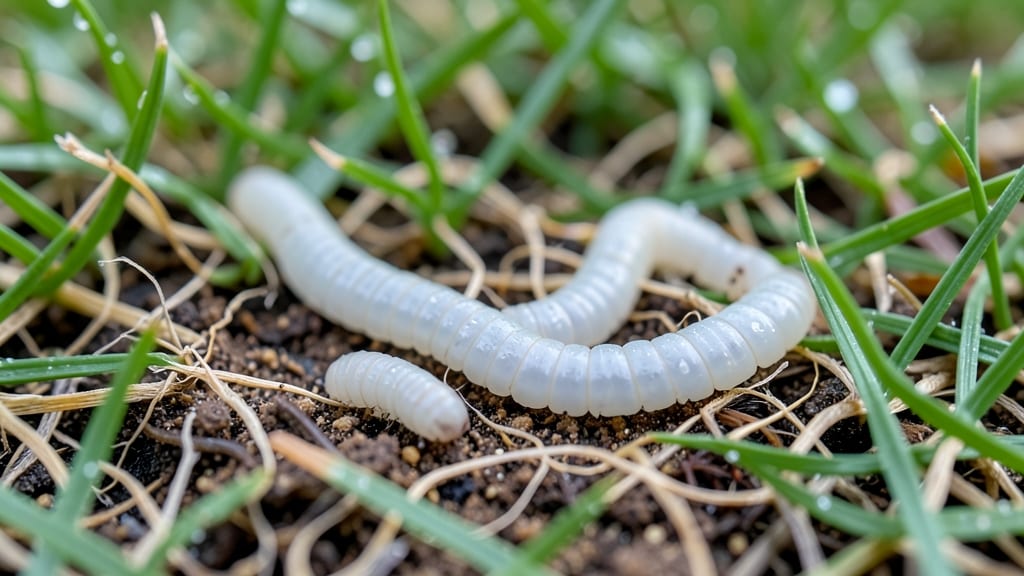
White worms wriggling under your lawn? 🌱 Those aren't earthworms—they're likely grubs or cutworms, and they're silently devouring your grass roots. I've battled these pests in my own yard, and I'll show you how to kick them out for good in just 48 hours without harsh chemicals.
The damage starts small—patches of dead grass, spongy turf—but if you wait, you'll end up with a lawn full of holes and struggling blades. Grubs chew roots while cutworms attack stems at night, leaving your grass vulnerable. The good news? A few targeted organic methods can turn the tide fast.
By combining manual removal, natural predators, and simple lawn care tweaks, you'll see improvement within days. The key is acting quickly—before the worms multiply and your lawn turns into a patchwork of brown. Let's get your grass back to lush and green.
First, identify what you're dealing with—grubs look like tiny, creamy white larvae with brown heads, while cutworms are smoother and curl up when disturbed. Grab a shovel and check for tunnels or clusters under the grass.
If you find them, don't panic—this is your chance to take control before they spread. The solution starts with a simple 2-step approach: disrupt their habitat and invite their natural enemies.
Spread a thin layer of diatomaceous earth (food-grade only) over the affected areas—it dehydrates the worms without harming your lawn. Then, introduce beneficial nematodes or birds to finish the job. Within 48 hours, you'll see fewer worms and healthier grass.
Prevention is where the real magic happens. Keep your lawn mowed at 3 inches, water deeply but infrequently, and apply compost or worm castings to boost root health.
Healthy grass naturally resists pests, and a few extra steps now will save you from future battles. The result? A lawn so strong, worms won't stand a chance.
Underlying Causes of Lawn Invaders
Those tiny white worms wriggling through your lawn aren’t just a random nuisance—they’re usually a sign that something deeper is amiss in your yard’s ecosystem. Understanding the root causes helps you tackle the problem at its source rather than just treating the symptoms.
Below, we break down the most common reasons these uninvited guests show up, along with the science behind each scenario.
White worms—often cutworms or grubs—thrive in damp, soggy conditions. If your lawn stays too wet for too long, you’re creating the perfect breeding ground for these pests. Here’s why:
- Excess moisture: Cutworms and grubs prefer soil with high moisture levels because it softens the earth, making it easier for them to burrow and feed on roots. Overwatering (or poor drainage) keeps the soil consistently damp, signaling to these pests that it’s a safe haven.
- Fungal growth: Waterlogged soil encourages fungal activity, which can weaken grass roots. Weak roots attract grubs, which feed on the tender plant material, turning your lawn into a buffet.
- Lack of oxygen: Compacted or waterlogged soil reduces oxygen levels, stressing grass and making it more vulnerable to pest attacks. Grubs, in particular, prefer environments where they can hide from predators like birds and toads.
Actionable fix: Test your soil’s drainage by digging a small hole (6 inches deep) and filling it with water. If it drains slowly (more than 4 hours), your lawn may need aeration or amendments like sand or compost to improve porosity. Water deeply but infrequently—aim for 1 inch per week—to encourage deeper root growth and deter moisture-loving pests.
If you’ve recently added compost, mulch, or even left grass clippings to pile up, you might be accidentally inviting white worms to move in. These creatures are drawn to decomposing plant material because it’s a rich food source and a cozy shelter.
- Grubs love compost: Many species of white grubs (like Japanese beetle larvae) feed on decomposing organic matter. If your lawn has thick layers of mulch or unturned compost, grubs will tunnel through it, weakening grass roots in the process.
- Cutworms seek shade: These pests often hide under layers of dead leaves, thick mulch, or even thatch. They emerge at night to feed on young grass shoots, leaving behind irregular brown patches.
- Fungal connections: Decaying matter can also harbor fungi that grubs feed on, creating a feedback loop where more pests are drawn to the area.
Actionable fix: Keep organic matter distributed thinly and evenly across your lawn—never in thick piles. Rake up fallen leaves and clippings regularly, and avoid over-mulching. If you compost, ensure it’s contained in a bin away from your lawn to prevent spillage.
Ironically, some of the chemicals used to protect your lawn can invite white worms by killing off their natural predators. When you overuse synthetic pesticides, you disrupt the delicate balance of your yard’s ecosystem, leaving grubs and cutworms with fewer enemies.
- Predator decline: Birds, toads, and beneficial nematodes (microscopic worms) feed on grubs and cutworms. If you’ve been using broad-spectrum pesticides, these predators may have been wiped out, giving pests free rein.
- Grass stress: Some pesticides weaken grass, making it easier for pests to feed on the roots. A stressed lawn is like an open invitation to burrowing insects.
- Resistant strains: Over time, repeated pesticide use can lead to pest populations that develop resistance, making them harder to control with chemical treatments.
Actionable fix: Shift to organic or targeted pest control methods, such as neem oil or beneficial nematodes, which kill pests without harming their natural predators. Rotate treatments seasonally to prevent resistance. If you must use chemicals, apply them sparingly and focus on early intervention before infestations take hold.
A lawn that’s struggling due to poor nutrition or disease is like a weakened fortress—easy pickings for pests. White worms target grass that’s already stressed, as it’s easier to digest and provides less resistance.
- Low nitrogen: Grubs and cutworms prefer grass with high moisture and soft roots, which often occurs when lawns are nitrogen-deficient. Weak roots are no match for their feeding habits.
- Disease susceptibility: Fungal infections (like brown patch or dollar spot) weaken grass, making it more attractive to pests. Some white worms even carry pathogens that further degrade lawn health.
- Thin or patchy grass: Areas where grass is sparse or dying create bare spots where pests can hide during the day and emerge to feed at night.
Actionable fix: Conduct a soil test to identify nutrient deficiencies and amend with organic fertilizers like compost tea or fish emulsion. Overseed bare patches with a high-quality grass seed mix to thicken the lawn. Choose disease-resistant grass varieties for your climate to reduce vulnerability.
By addressing these underlying issues, you’re not just chasing away white worms—you’re creating a lawn that’s naturally less appealing to them. The key is to strike a balance: healthy soil, proper watering, and a thriving ecosystem that keeps pests in check without relying on harsh chemicals.
Quick-Fix Lawn Rescue Guide
Got those pesky white worms—likely grubs or cutworms—ruining your lawn? Don’t panic! With the right approach, you can eliminate them organically in 48 hours and keep your grass thriving. Below, we break down targeted solutions based on the root cause, plus prevention tips to stop future invasions.
Grubs are the larvae of beetles (like Japanese beetles) and thrive in moist, healthy soil. Here’s how to smother and remove them fast:
🍳 Step 1: Drown Them with a DIY Grub Trap
- Fill a bucket with soapy water (1 tbsp dish soap per gallon).
- Dig up small patches of lawn (6-inch squares) where grubs are active.
- Shake the soil into the bucket—grubs will float to the top.
- Dispose of the water (don’t pour it back on the lawn) and compost the soil (grubs will decompose naturally).
👨🍳 Step 2: Apply Beneficial Nematodes (Natural Predators)
- **Buy Heterorhabditis bacteriophora (a microscopic worm that kills grubs).
- Mix with water (follow package instructions) and water your lawn at dusk (they’re light-sensitive).
- Reapply in 7–10 days for full eradication.
🥘 Step 3: Starve Them with Drought Stress (Temporary Fix)
- Water deeply but less frequently for 2–3 days to force grubs to the surface.
- Handpick them in the morning (they’ll be sluggish from lack of moisture).
- Restore normal watering once they’re gone.
✨ Pro Tip: Avoid chemical pesticides—they harm beneficial insects and can linger in the soil.
Cutworms are surface-dwellers that chew grass at night. Here’s how to flush them out:
🔪 Step 1: Use a Flashlight & Roll-Up Method
- Go out at dusk or dawn with a flashlight.
- Roll up a section of sod (like a rug) to expose hiding cutworms.
- Drop them in soapy water or feed them to birds/ chickens (they’re a protein snack!).
⏰ Step 2: Set Up a Beer Trap (Yes, Really!)
- Bury a shallow dish (like a yogurt cup) filled with beer.
- Cover with soil so the rim is flush.
- Check in the morning—cutworms will drown in it.
🌡️ Step 3: Introduce Chickens or Ducks (Best Long-Term Fix)
- Let poultry loose for a few hours—they’ll devour cutworms faster than you can say "lawn rescue."
- Alternative: Sprinkle diatomaceous earth (food-grade only) lightly over the lawn—it dehydrates their waxy skin.
💡 Pro Tip: Mow high (3–4 inches) to make it harder for cutworms to hide and chew.
Once your lawn is worm-free, lock in the wins with these low-effort habits:
| Problem | Prevention Hack | Why It Works |
|---|---|---|
| Grubs | Plant nematode-attracting plants (marigolds, yarrow) | Draws in natural predators. |
| Cutworms | Remove garden debris (they hide in mulch) | Eliminates hiding spots. |
| Moisture-loving pests | Improve drainage (sand topsoil if needed) | Grubs hate dry soil. |
| Beetle adults | Install yellow sticky traps in summer | Catches adult beetles before they lay eggs. |
🎯 Bonus: Aerate your lawn in fall—it disrupts grubs’ cozy soil layers and encourages healthy grass roots.
Final Note: If your lawn is heavily damaged, overseed bare spots after treatment to restore thickness fast. Most lawns recover within 2–3 weeks** with proper care!
Frequently asked questions
Are white worms in my lawn harmful to my grass?
Yes, they can cause serious damage! Grubs chew grass roots while cutworms attack stems at night, creating brown patches and weak spots. If left unchecked, your lawn may develop bald patches or even die back completely. The key is acting quickly—most damage happens below the surface before you notice visible signs.
How can I tell if I have grubs vs. cutworms?
Grubs are creamy white with brown heads (like tiny beetle larvae) and live underground, while cutworms are smooth, grayish-white and curl up when disturbed. Check at dusk with a flashlight: grubs require digging, but cutworms hide under grass blades or mulch. Grubs cause spongy turf, while cutworms leave irregular brown patches.
Will diatomaceous earth work on both grubs and cutworms?
It works best for cutworms since they're exposed to air, but it's less effective for grubs buried deeper. For grubs, focus on beneficial nematodes or the soapy water trap method. Apply diatomaceous earth lightly in the evening (it loses potency when wet) and reapply after rain. Always use food-grade to protect your lawn.
How long does it take to see results after treatment?
With organic methods like nematodes or diatomaceous earth, you'll typically see a noticeable reduction within 48 hours. For severe infestations, combine treatments (e.g., nematodes + handpicking) and monitor for 2-3 weeks. The grass should start recovering as the worm population declines, with full regrowth visible in 3-4 weeks if you maintain proper watering and mowing.
Can I use chemical pesticides if organic methods fail?
Only as a last resort! Chemical pesticides like imidacloprid can harm beneficial insects and may not solve the root cause (like poor drainage or overwatering). If you choose this route, apply in the early evening when bees aren't active, and follow up with organic prevention methods. Always test a small area first to check for lawn sensitivity.