
Lawn
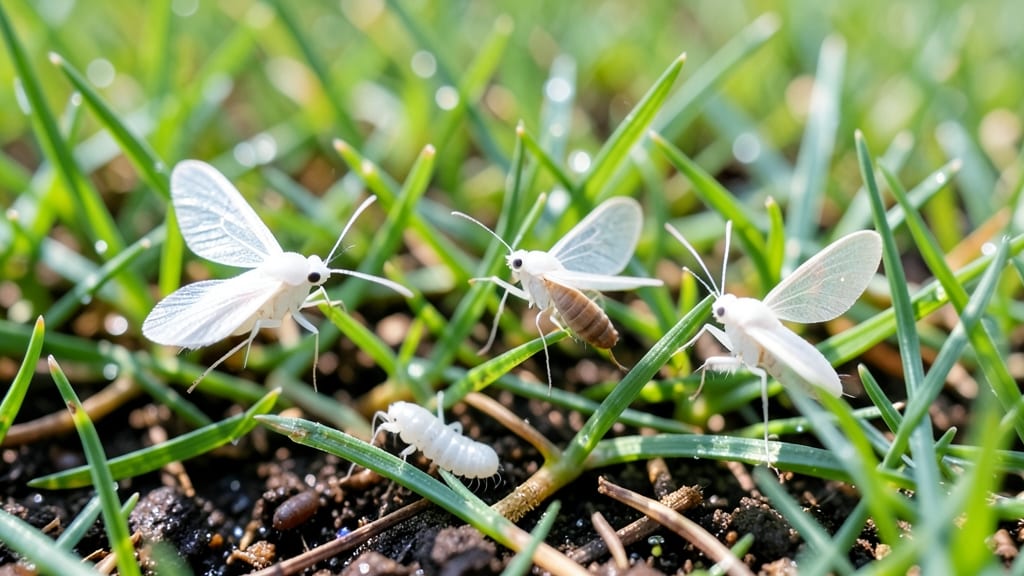
White flying insects swarming your lawn aren't just annoying—they're a sign your yard needs attention. 🌱 I've battled these tiny pests for years, and the key is identifying them first. Fungus gnats, whiteflies, or even moths can all look similar, but their solutions differ completely.
The real problem? These insects thrive in moist, organic-rich soil, which means your lawn's health is already compromised. Overwatering, thick thatch layers, or decaying grass create the perfect breeding ground. Most people reach for pesticides first, but that kills beneficial insects too.
Instead, we'll focus on humane relocation—trapping them without harming your lawn's ecosystem. You'll see a noticeable drop in swarms within 3-5 days using simple household items. The best part? Your grass stays green and strong while these pests get a one-way ticket out of your yard.
This method works for any lawn size, from small patches to full backyards. Let's get those insects relocated for good!
Root Causes of Lawn Invaders
Those tiny white flying insects buzzing over your lawn aren’t just a nuisance—they’re often a sign of deeper ecological imbalances in your yard. Understanding why they appear helps you address the problem at its source rather than just swatting them away.
Here’s a breakdown of the most common triggers, explained in clear, actionable terms.
White flying insects like fungus gnats or springtails thrive in damp, soggy conditions. If your lawn retains too much moisture—whether from overwatering, compacted soil, or poor drainage—you’re creating the perfect breeding ground.
These pests don’t just fly around; they lay eggs in moist organic matter, like thatch or decomposing grass clippings.
Why it happens:
- Excess moisture slows decomposition, leaving organic debris as a buffet for larvae.
- Compacted soil prevents water from draining, trapping humidity at the root level.
- Thatch buildup (a layer of dead grass and roots) acts as insulation, keeping the soil warm and wet—ideal for gnat reproduction.
Actionable fix: Test your soil’s drainage by digging a small hole and filling it with water. If it doesn’t drain within 30 minutes, aerate your lawn and consider adding sand or compost to improve porosity. Pro tip: Water deeply but infrequently (1–1.5 inches per week) to encourage strong roots that handle moisture better. 💡
White flying insects often flock to lawns with fungal activity, especially if your grass shows signs of powdery mildew or snow mold. Fungi release spores that attract fungus gnats, while other pests like whiteflies may target weakened grass.
Even healthy-looking lawns can harbor hidden fungal threads in the thatch layer.
Why it happens:
- Humid climates or shaded areas promote fungal spores.
- Nitrogen-heavy fertilizers can overstimulate grass growth, creating thick thatch that traps moisture and fungi.
- Poor air circulation (e.g., dense turf or mulch piles nearby) lets fungi spread unchecked.
Actionable fix: Rake up thick thatch (aim for <1/4 inch thick) and apply a fungicide labeled for lawn fungi if you spot white or gray patches. For prevention, mow high (3–4 inches) to improve airflow and avoid late-season nitrogen applications. ✨
Leaves, grass clippings, and compost piles are like all-you-can-eat buffets for white flying insects. Springtails, fungus gnats, and even white grubs (larvae of beetles) burrow into decaying matter. If your lawn borders a compost bin or you leave clippings piled up, you’re inviting a swarm.
Why it happens:
- Decomposing matter releases heat and moisture, accelerating pest reproduction.
- Lack of disturbance lets eggs and larvae go undisturbed for weeks.
- Proximity to mulch or wood chips creates microclimates perfect for pests.
Actionable fix: Remove leaf litter and clippings promptly, and store compost in a sealed bin with a lid. If you mulch, use shredded material (not whole leaves) and keep it away from the lawn’s edge. For stubborn infestations, till the top 2 inches of soil to expose larvae to predators like birds or beetles. 🔥
White flying insects often surge during spring (as soil warms) and fall (when fungi thrive). Heavy rains followed by dry spells can also trigger hatches of gnats or springtails. Even mild winters in some regions allow pests to survive and multiply year-round.
Why it happens:
- Temperature shifts (e.g., 50–70°F) signal pests to emerge and reproduce.
- Rainfall fluctuations create temporary moisture spikes that pests exploit.
- Early spring growth provides fresh food sources for larvae.
Actionable fix: Monitor weather forecasts and adjust watering to avoid creating damp conditions during peak pest seasons. In spring, apply a pre-emergent herbicide (like beneficial nematodes) to disrupt larvae life cycles. For fall, focus on reducing thatch and improving drainage before winter. 🌡️
Key takeaway: Most white flying insects in lawns are drawn by three things: moisture, organic food, and shelter. By addressing these root causes—drainage, fungal control, and debris management—you’ll make your lawn less appealing to pests and more resilient to future invasions.
How to Fix Flying White Invaders
Now that you know what’s buzzing around your lawn, it’s time to take action—without harming the critters or your garden. Below are targeted solutions based on the most likely culprits (fungus gnats, whiteflies, or moths) and their causes.
Each fix is designed to be effective, eco-friendly, and easy to implement, with prevention tips to keep your lawn pest-free long-term.
If your lawn feels soggy and you’ve spotted tiny white moths near the soil, fungus gnats are likely the culprits. These pests thrive in overwatered, compacted, or organic-rich soil, so fixing their habitat is key.
🍳 Step 1: Reduce Moisture (The #1 Fix)
Fungus gnats need wet soil to survive. Cut back on watering and let the top 1–2 inches of soil dry out between waterings.
- Pro Tip: 💡 Use a moisture meter or the "squeeze test"—grab a handful of soil; if it stays clumped, it’s too wet.
- For severe cases: Let the lawn go dry for 3–5 days to break their life cycle.
👨🍳 Step 2: Improve Drainage
Amend heavy or clay soil with coarse sand, perlite, or compost to help water drain faster.
- DIY Fix: Spread a 1-inch layer of sand over the lawn and lightly rake it in.
- Avoid: Over-fertilizing with nitrogen—this feeds fungus gnats!
🥘 Step 3: Natural Predators & Traps
Encourage beneficial nematodes (Steinernema feltiae) or dragonfly larvae, which eat fungus gnat larvae.
- Yellow Sticky Traps: Place them near affected areas to catch adult gnats.
- Apple Cider Vinegar Trap: Mix 1 tbsp vinegar + 1 drop dish soap in a cup, cover with plastic wrap (poke holes), and place near soil.
⏰ Prevention for Next Time
- Water deeply but less often (early morning to reduce humidity).
- Aerate compacted soil annually to improve airflow.
- Use slow-release fertilizers to avoid nitrogen spikes.
If you’re seeing tiny white flies swarming plants (not just the lawn), whiteflies are likely feeding on weeds or grass blades. They’re attracted to yellowing, stressed, or weedy areas.
🔪 Step 1: Knock Them Off with Soap Spray
A homemade insecticidal soap spray (1 tsp mild soap + 1 quart water) will smother adults without harming plants.
- Spray undersides of leaves (where they hide) and reapply every 3–5 days.
- Avoid: Harsh chemicals like neonicotinoids—they kill beneficial insects too.
🌡️ Step 2: Yellow Sticky Traps (Best for Lawns)
Whiteflies are drawn to bright yellow. Place sticky traps (like Tanglefoot) around the yard to catch adults.
- Pro Tip: 🎯 Hang traps 1–2 feet above ground for best results.
🌱 Step 3: Remove Their Favorite Hosts
Whiteflies love weak or weedy grass. Pull out broadleaf weeds (like clover or dandelions) and thin out dense grass to reduce hiding spots.
- Healthy grass = fewer pests! Overseed bare patches for a thick, resilient lawn.
✨ Prevention for Next Time
- Encourage ladybugs & lacewings (their natural predators) with neem oil sprays or dill/marigold plants.
- Avoid over-fertilizing—stressed grass attracts more pests.
If the white flies are large, fluttery, and active at dusk, they’re likely moths or cabbage whites. These are less lawn-specific but can still be a nuisance.
💡 Step 1: Reduce Nighttime Lighting
Moths are attracted to bright outdoor lights. Switch to:
- Yellow bug lights (less appealing to moths).
- Motion-sensor lights (only on when needed).
- Shield lights downward to minimize attraction.
🌿 Step 2: Remove Attracting Plants
Some moths are drawn to weeds like mustard or wild radish. Pull these out to reduce breeding sites.
- For cabbage whites: Remove cruciferous weeds (e.g., shepherd’s purse).
🕷️ Step 3: Humane Trapping (If Needed)
- Pheromone traps (for specific moths) can reduce populations.
- DIY jar trap: Fill a jar with sugar water + a drop of dish soap, place near lights, and cover with plastic wrap (poke holes).
🌡️ Prevention for Next Time
- Mulch garden beds to disrupt moth egg-laying sites.
- Plant moth-repelling herbs like lavender, rosemary, or mint near the lawn.
No matter the pest, these long-term strategies will keep your lawn healthy and less inviting:
- Mow high (3–4 inches) to shade soil and reduce moisture loss.
- Aerate annually to prevent compaction and fungus gnat breeding.
- Test soil pH—aim for 6.0–7.0 (acidic soil attracts more pests).
- Encourage biodiversity—birds, toads, and ground beetles eat many lawn pests naturally!
Final Thought: Most white flying insects in lawns are harmless but annoying. With these targeted, humane fixes, you can reduce their numbers without chemicals—and keep your lawn lush and pest-free for good! 🌱🚫🐜
Frequently asked questions
Are white flying insects in my lawn harmful to my grass?
Most white flying insects—like fungus gnats or springtails—don’t directly damage grass. The real issue is their presence signals moisture problems or fungal activity in your soil. Over time, excessive moisture from their breeding grounds can weaken grass roots, making your lawn more vulnerable to disease. Addressing drainage and organic buildup will help both the pests and your grass thrive.
How do I tell if they're fungus gnats vs. whiteflies?
Fungus gnats are tiny (1/8 inch), dark-bodied, and hover near soil—they’re often seen around houseplants too. Whiteflies are smaller (1/16 inch), white, and swarm in clouds when disturbed, usually near plants. Check their behavior: fungus gnats stay low, while whiteflies flutter upward. If you see both, you likely have moisture issues attracting multiple pests.
Will yellow sticky traps work for all white flying insects?
Yellow sticky traps are most effective for whiteflies and fungus gnats, but they won’t catch larger moths. For moths, use UV or pheromone traps instead. Place traps 1-2 feet above ground for best results, and rotate them every 2-3 weeks—old traps lose stickiness. Pro tip: Add a drop of dish soap to the trap surface to improve adhesion.
How long does it take to see results after using natural remedies?
With consistent methods like reducing moisture, improving drainage, and using traps, you’ll typically see a 50% reduction in swarms within 3-5 days. Full elimination may take 2-4 weeks as larvae in the soil mature. For severe infestations, combine traps with soil amendments—this two-pronged approach works fastest. Patience is key, but results are worth it for a chemical-free lawn.
Can I use vinegar or soap sprays on my lawn?
While vinegar traps (apple cider vinegar + dish soap) work well for fungus gnats, avoid spraying soap directly on grass—it can harm beneficial microbes and plants. For lawns, focus on soil moisture reduction and yellow sticky traps instead. If you must use soap, dilute it to 1 teaspoon per gallon of water and spot-treat only problem areas.