
Lawn
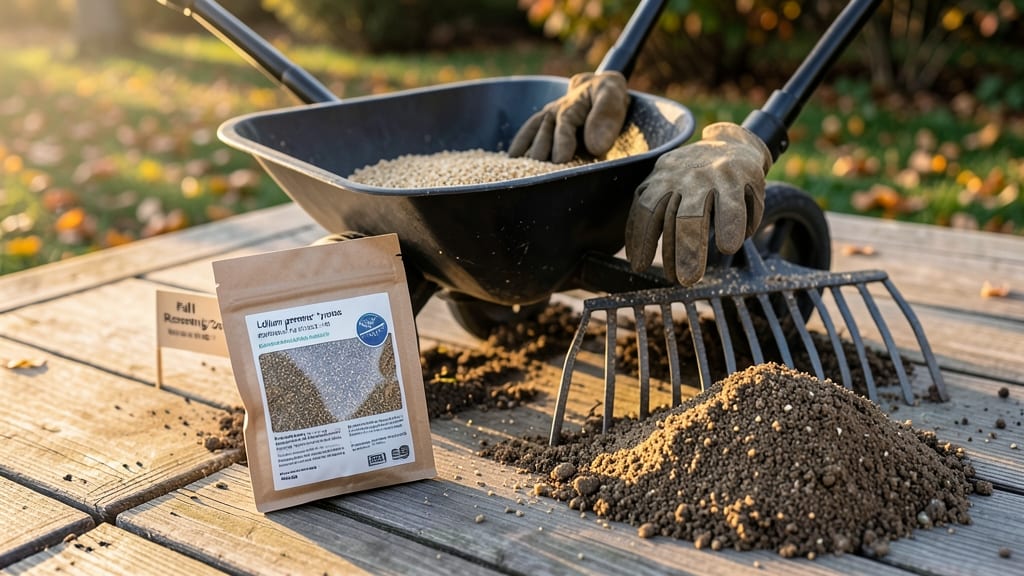
Reseeding lawn in the fall is your best shot at a lush, weed-resistant yard — but get the timing wrong, and you’ll waste seeds or invite winter weeds.
Picture this: you’ve prepped the soil, spread the seed, and watered it down—only to watch frost kill your progress before the grass even sprouts. That’s why soil temperature is the real clock you should be watching, not just the calendar.
For Lawn Grass (Cool-Season) 🌱 in USDA Zones 3-9, the sweet spot is when daytime highs hover between 50°F and 75°F—usually 4 to 6 weeks before your first frost. That window gives seeds time to germinate without racing against winter.
Below, I’ll break down the exact soil temps to aim for, how to test them, and which grass types thrive when you plant at the right moment—plus the 3 mistakes that sink even the best-laid plans.
Fall reseeding timeline: soil temperature guide by region
Timing your fall lawn reseed depends on soil temperature, not just air temperature. The ideal range for cool-season grass germination is between 50°F and 75°F—too hot or cold, and your seeds won’t sprout properly.
In the North, this window is shorter, while Southern regions enjoy a longer period. Let’s break down the exact regional timelines and how to test your soil’s readiness.
For Northern states (USDA Zones 3-6), aim to seed 4-6 weeks before your first frost. If you live in Zone 5 or colder, this typically means mid-August to early September.
In warmer Southern regions (Zones 7-9), you can extend seeding until late October or even November, as frost arrives later. The key is planting when soil temps drop below 75°F but stay above 50°F.
To test your soil’s temperature, use a simple soil thermometer (available at garden centers for under $10). Insert it 2-3 inches deep—this mimics where seeds will germinate. Take readings at midday for the most accurate results.
If temps are above 75°F, wait a week or two; if below 50°F, you’ve missed the window for fall.
Here’s a quick reference for regional soil temperature zones and their ideal reseeding windows:
| Region | USDA Zones | Ideal Soil Temp Range | Best Planting Window | Last Chance Before Frost |
|---|---|---|---|---|
| Northern Plains | 3-5 | 50°F–65°F | Mid-August to early September | Late September |
| Northeast | 4-6 | 50°F–70°F | Late August to mid-September | Early October |
| Midwest | 5-7 | 55°F–70°F | Early September to early October | Mid-October |
| Southeast | 7-8 | 60°F–75°F | Late August to late October | November |
| Southwest | 8-10 | 65°F–75°F | September to November | December (mild climates) |
If you’re in a transition zone (Zones 6-7), monitor soil temps closely. A sudden cold snap can stall germination, so have a lightweight row cover ready to protect young seedlings. Pro tip: Morning soil temps are often 5-10°F cooler than afternoon readings—use these for your final decision.
For warm-season grasses (like Bermuda or Zoysia), fall reseeding is trickier. These grasses prefer soil temps above 75°F and should be seeded in late spring or early summer.
If you’re overseeding a warm-season lawn in fall, focus on cool-season annual ryegrass for winter color, then transition back to your warm-season grass in spring.
Don’t let weed competition derail your efforts. Apply a pre-emergent herbicide 2-3 weeks before seeding to block weeds, then use a starter fertilizer with high phosphorus (like 5-10-5) to jumpstart root growth. Water lightly twice daily (morning and evening) until germination occurs—usually within 7-21 days.
Once your new grass reaches 3 inches tall, reduce watering to 1-1.5 inches per week and mow at 3-4 inches height to encourage deep roots. By winter, your lawn will be thicker and more resilient than ever—thanks to perfect timing and ideal soil conditions.
Best grass types for fall reseeding and how to choose
Choosing the right grass type for fall reseeding depends on your climate zone and desired lawn characteristics. Cool-season grasses like Kentucky bluegrass and fescue thrive in northern regions, while warm-season grasses like Bermuda and Zoysia dominate southern lawns. Each type has unique growth cycles that determine the best planting window.
For cool-season grasses, fall is ideal because cooler temperatures reduce stress on new seedlings, while warm-season grasses typically require spring or summer planting. Understanding these differences ensures your lawn establishes strong roots before winter or summer dormancy sets in.
Here’s how to match your grass type to your region and planting goals for a lush, year-round lawn:
Cool-season grasses like Kentucky bluegrass and tall fescue are my top recommendations for fall reseeding in USDA Zones 3-9. These varieties establish deep roots before winter, giving them a head start in spring. For example, tall fescue thrives in drought-prone areas and requires less water once established.
If you’re in a warmer climate (Zones 7-10), skip cool-season grasses and opt for warm-season types like Bermuda or Zoysia—but plant them in spring or late summer, not fall. Warm-season grasses go dormant in winter, so fall planting would leave them vulnerable to frost damage.
Pro tip: Mix perennial ryegrass with your primary grass type for faster germination and temporary coverage. This combo is especially useful if you’re repairing bare spots or overseeding an existing lawn.
🌱