
Lawn
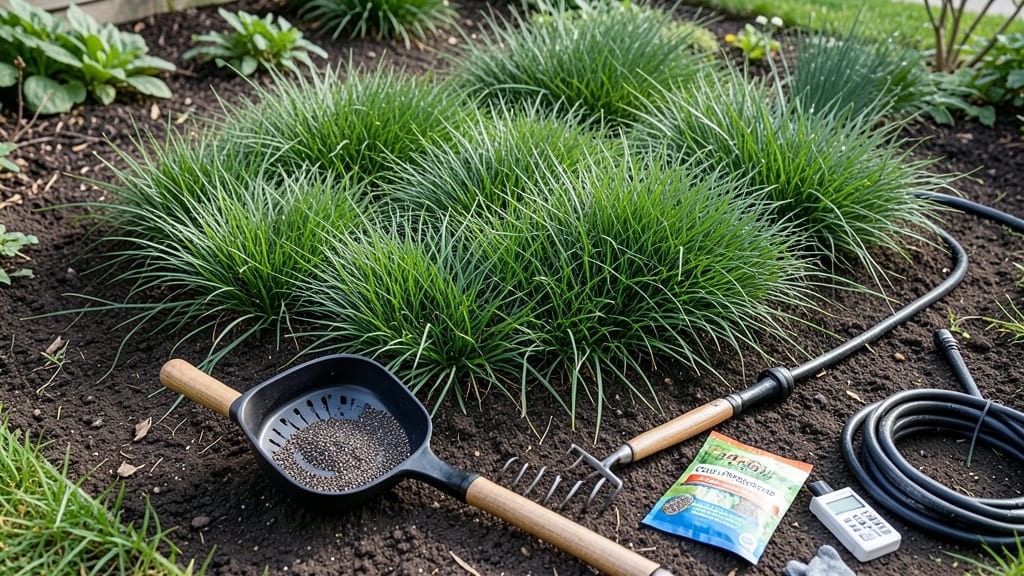
Planting lawn seed in Melbourne at the right time means faster germination and a lawn that thrives despite the city’s unpredictable weather 🌱.
Melbourne’s cool temperate climate means your seed can rot in winter or bake in summer if you plant at the wrong moment. But get the soil temperature right—between 10°C and 21°C—and you’ll see sprouts in just 7–14 days.
Here’s the secret: Melbourne’s best windows are late winter to early spring (August–September) or early autumn (March–April). These months balance moisture, warmth, and minimal frost risk, setting your grass up for success.
Below, I’ll break down the exact soil triggers, how to prep your patch for Melbourne’s clay-heavy soil, and why timing matters more than the seed brand you pick.
Melbourne’s ideal soil temperature ranges for lawn seed germination
Understanding soil temperature triggers is the key to successful lawn seeding in Melbourne. Most grass seeds need soil between 10°C and 21°C (50°F–70°F) to germinate properly. Too cold, and seeds rot; too hot, and they dry out before sprouting.
Melbourne’s climate gives us two prime windows: late winter/early spring and early autumn, when temperatures naturally fall into this sweet spot.
Cool-season grasses like tall fescue and ryegrass (common in Melbourne) thrive in 10–18°C soil, while warm-season types like buffalo grass prefer 18–24°C. Since Melbourne rarely hits 24°C in spring/autumn, cool-season grasses are the safer bet for most gardeners here.
I’ll focus on these varieties, as they align with Melbourne’s typical soil temps.
Here’s the critical detail: Melbourne’s coastal areas (like St Kilda) stay milder year-round, while inland suburbs (like Sunbury) can swing faster. Test your soil temperature before planting—don’t guess!
A simple soil thermometer (or even a DIY method like checking if the ground feels warm to your hand) will save you from wasted seed.
🌱
| Grass Type | Ideal Soil Temp (°C) | Melbourne Planting Window | Germination Time | Key Risk |
|---|---|---|---|---|
| Cool-season (Tall Fescue, Ryegrass) | 10–18°C | August–September | 7–14 days | Frost damage |
| Warm-season (Buffalo Grass) | 18–24°C | February–March | 10–21 days | Drought stress |
| Hybrid (Kikuyu, Couch) | 15–22°C | October–November | 14–28 days | Heatwave dieback |
To test your soil temperature accurately, use a digital soil thermometer (available for under $20). Push the probe 5cm deep (2 inches) and check readings at 9 AM and 3 PM for 3 days to account for daily swings.
If you’re DIY-ing, press your hand into the soil—if it feels warm but not hot, it’s likely in the ideal range. Melbourne’s clay-heavy soils retain heat longer, so inland areas may need earlier planting.
Pro tip: If your soil is below 10°C, cover the area with black plastic mulch for 2–3 days to warm it up naturally. Conversely, if temps exceed 24°C, wait for cooler evenings or use shade cloth to protect newly sown seeds.
These small adjustments can mean the difference between a thriving lawn and a failed patch.
Melbourne’s spring (September–November) often sees rapid temperature shifts. Monitor your local Bureau of Meteorology forecasts for soil warmth alerts—they predict these conditions weeks in advance. For example, September 2023 saw ideal germination temps in Melbourne’s eastern suburbs for 14 consecutive days, perfect for cool-season grasses.
Don’t overlook moisture levels alongside temperature. Even at the right temp, dry soil will prevent germination. Keep the top 5cm of soil consistently moist (like a damp sponge) until seedlings appear. In Melbourne’s windy conditions, water in the early morning to reduce evaporation and fungal risks.
For shaded lawns (common in Melbourne’s older suburbs), aim for 12–18°C soil temps—cooler than full-sun areas. Shade slows soil warming, so plant 2–3 weeks later than sunny patches. Varieties like fine fescue tolerate these conditions better than ryegrass.
🌿
Remember: Melbourne’s autumn (March–May) is the second-best window. By late March, soil temps typically drop into the 15–20°C range, ideal for cool-season grasses. This timing avoids summer’s heat stress and gives seedlings time to establish before winter.
If you’re in a warmer microclimate (like near a heat island), push autumn planting to early March to catch the tail end of summer warmth.
Best months to plant lawn seed in Melbourne’s climate zones
Melbourne’s climate varies dramatically between its coastal, inland, and elevated zones, so timing your lawn seed planting can feel like a moving target. Coastal areas like Mornington Peninsula stay milder year-round, while inland spots like Bendigo experience colder winters and hotter summers.
Even within the city, elevated areas like the Dandenongs can have earlier frosts than the CBD.
To simplify, I’ve mapped out the best planting windows for each zone, factoring in soil temperatures, rainfall patterns, and Melbourne’s infamous four seasons in one day.
The key is planting when your soil is warm enough to germinate seeds but cool enough to prevent stress—typically 10°C to 21°C.
- 1 Coastal Zones (e.g., Mornington Peninsula, Frankston): Plant in late winter (August–September) or early autumn (March–April). Coastal areas have milder winters and higher humidity, making these months ideal for germination.
- 2 Inland Zones (e.g., Bendigo, Geelong): Aim for early spring (September–October) or late autumn (April–May). Inland areas face colder winters and hotter summers, so avoid planting in June–August (frost risk) or December–February (drought stress).
- 3 Elevated Zones (e.g., Dandenongs, Yarra Ranges): Plant in late spring (October–November) or early autumn (March). Higher elevations have cooler soils and earlier frosts, so wait until soil warms to 15°C+ before sowing.
- 4 Shade vs. Full-Sun Adjustments: For shady lawns, plant in autumn (March–May) when sunlight is less intense. Full-sun lawns thrive with spring (September–October) planting for maximum light exposure during germination.
- 5 Rainfall Timing: Melbourne’s autumn rains (March–May) are perfect for seedbed moisture, while spring (September–November) often needs supplemental watering. Use a rain gauge to track soil moisture—aim for 1–2 cm of water per week.
Pro tip: Use a soil thermometer to confirm temperatures before planting. If your soil is below 10°C, germination will stall, and seeds may rot. In contrast, soils above 21°C can dry out too quickly, especially in inland zones during November–January.
For shade-tolerant grasses like fine fescue, lean toward autumn planting to avoid competition from taller grasses. Meanwhile, full-sun varieties like tall fescue or ryegrass perform best in spring when daylight hours increase.
Remember, Melbourne’s unpredictable weather means flexibility is key. If a heatwave or cold snap hits, delay planting until conditions stabilize. With the right timing, you’ll see sprouts in 7–14 days and a lawn that outlasts the city’s infamous winter chills and summer droughts.