
Lawn
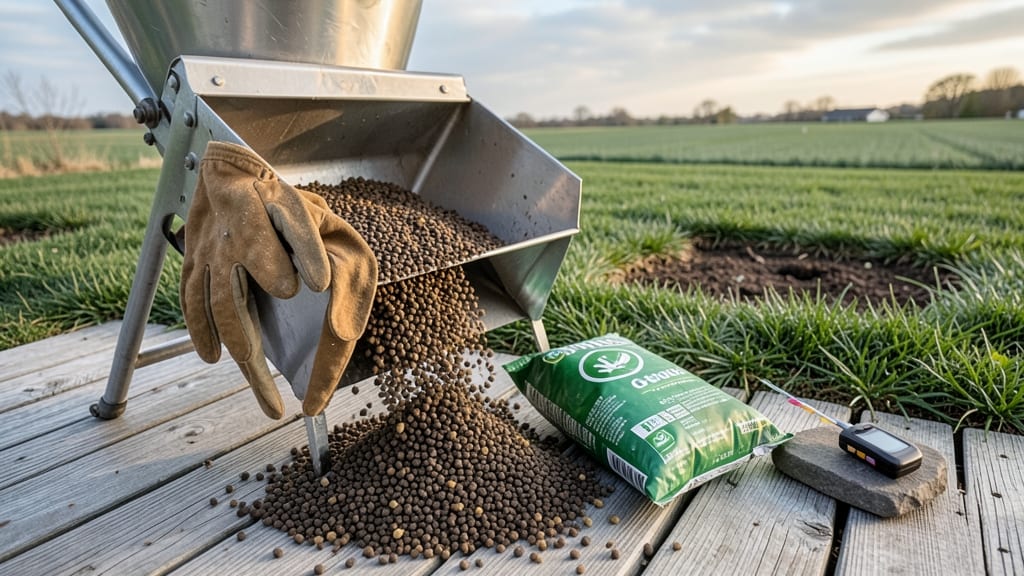
To fertilize your lawn at the optimal time, wait until soil temperatures hit 55–65°F (13–18°C) in spring and 60–70°F (16–21°C) in fall, when grass actively grows and absorbs nutrients most efficiently.
Timing your lawn fertilizer applications to match soil warmth ensures nutrients reach the roots when they're most active. 🌱 During spring's warming phase, grass awakens from dormancy and needs fuel to repair winter damage, while fall's cooler temperatures encourage deep root establishment before winter.
I've seen dramatic differences in lawn health when fertilizing outside these windows—grass often struggles to utilize nutrients properly when soil is too cold or hot.
Another key factor is your local climate. Northern regions may need to wait until late spring for consistent warmth, while southern lawns might benefit from an early fall application before summer heat sets in. Always check soil temperature with a thermometer at 4-inch depth for accuracy—surface temps can mislead you.
💡 In This Article
- Soil Temperature Science for Optimal Lawn Fertilization
- Seasonal Fertilizer Schedule by Climate Zone
Soil temperature science for optimal lawn fertilization
Soil temperature directly controls the biological activity that makes fertilization effective. When soil warms to 55–65°F (13–18°C) in spring, beneficial soil microbes—like nitrogen-fixing bacteria and mycorrhizal fungi—become highly active.
These microbes break down organic matter and make nutrients available to grass roots at a rate that matches the plant's growth demands. Below 50°F (10°C), microbial activity slows dramatically, leaving fertilizer nutrients locked in the soil and wasted.
Grass roots also respond dramatically to temperature changes. At 55°F (13°C), roots begin growing rapidly after winter dormancy, creating new surface area to absorb nutrients. By 65°F (18°C), root growth peaks—ideal timing for fertilizer uptake.
The science shows that cool-season grasses like Kentucky bluegrass and fescue absorb 30-50% more nitrogen when fertilized at these temperatures compared to cooler soil. 🌱 In fall, the 60–70°F (16–21°C) window works because grass focuses energy on root development rather than leaf growth, creating a stronger foundation for winter survival.
Fertilizing outside these temperature ranges creates common problems. In cold soil (45°F/7°C), nutrients leach away before grass can use them, while in hot soil (> 75°F/24°C), grass often goes dormant to conserve water, making it unable to absorb fertilizers efficiently.
I've seen lawns burn from fertilizer applied in summer heat because the grass can't metabolize the nutrients fast enough—it's like feeding someone a heavy meal when they're dehydrated.
Another critical factor is how temperature affects moisture availability. Warmer soil holds less water, which means fertilizers can dry out and become less effective. That's why fall fertilization often works better in many climates—the cooler air retains moisture longer, giving grass time to utilize nutrients before winter.
The 60–70°F (16–21°C) fall window gives grass 4-6 weeks of active growth before dormancy sets in, perfect for nutrient absorption.
For visual learners, think of soil temperature like a car engine: cold soil runs sluggishly (poor nutrient conversion), warm soil operates efficiently (optimal growth), and overheated soil stalls (stress and burn).
The 55–65°F (13–18°C) spring range and 60–70°F (16–21°C) fall range represent that sweet spot where everything aligns for maximum lawn health.
Pro tip: Use a soil thermometer to check at 4-inch depth—surface temps can be misleading.
I always recommend taking measurements in the morning when soil is coolest, as afternoon sun can create false readings that might tempt you to fertilize too early in spring or too late in fall. ✨