
Lawn
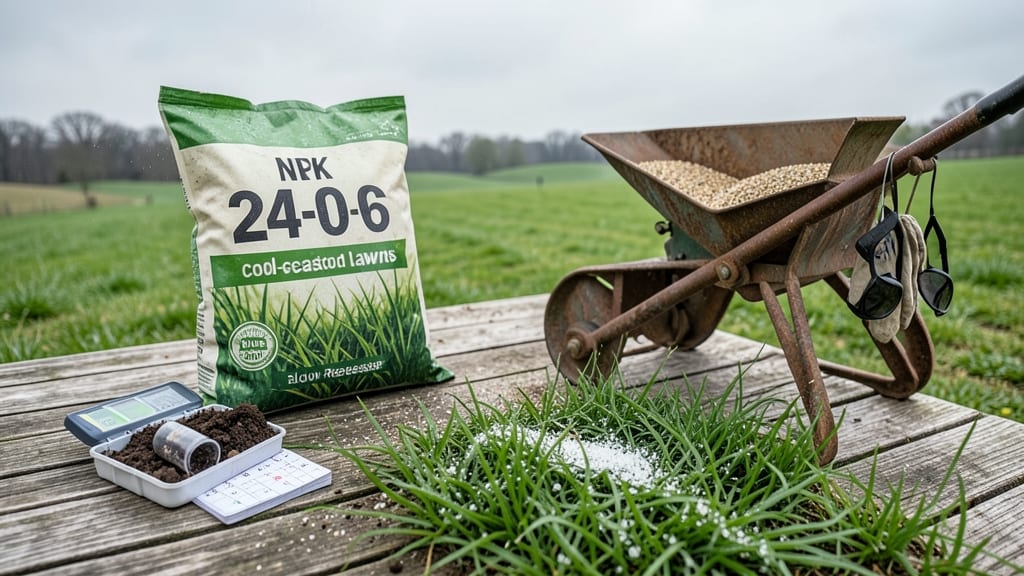
To fertilize lawn in Minnesota, time it right with spring green-up and fall root-building—the two critical windows that make or break your grass’s resilience through brutal winters.
Picture this: You’ve just spent $100 on fertilizer, spread it carefully, and then—_BAM_—the first frost hits. Your lawn looks like it’s been run over by a snowplow. That’s why Minnesota’s short growing season demands precision, not guesswork.
Most homeowners here either fertilize too late in fall (risking winterkill) or too early in spring (wasting money on dormant soil).
The trick is feeding your 🌱 lawn grass when the soil warms to 55°F—just after the last frost—and giving it one last boost in early September before the ground hardens.
Below, I’ll walk you through the exact month-by-month schedule for MN’s 3a-5b zones, the best fertilizer types for cold tolerance, and how to spot the signs you’ve missed the window. No more wasted bags or patchy grass—just a thick, green carpet that survives even our worst winters.

Minnesota’s best fertilization timeline for year-round lawn health
Minnesota’s short growing season and freeze-thaw cycles make timing your lawn’s fertilization critical. Unlike warmer climates, MN’s cold-hardy grasses like Kentucky Bluegrass and Fine Fescue need a strategic schedule to avoid winter damage.
The key? Three feedings per year—spring, summer, and a pre-winter root-hardening boost—with soil temperatures as your guide.
Most homeowners skip fall fertilization, but that’s a mistake. A light feeding in early September (when soil temps drop below 60°F) helps roots store carbohydrates for winter survival.
Meanwhile, summer heat demands slow-release nitrogen to prevent burn. Let’s break down the exact month-by-month plan tailored to MN’s USDA Zones 3a-5b.
| Season | Fertilization Window | Soil Temp Trigger | NPK Ratio | Key Goal |
|---|---|---|---|---|
| Early Spring | Mid-April to early May | 50-55°F (10-13°C) | 24-0-5 or 30-0-4 | Break dormancy, weed control |
| Late Summer | Late July to early August | 65-75°F (18-24°C) | 16-4-8 (slow-release) | Heat recovery, dense growth |
| Early Fall | Early September | 60°F (16°C) or below | 10-0-20 (low nitrogen) | Root hardening, winter prep |
Spring fertilization is your first priority—aim for mid-April to early May when soil temperatures hit 50-55°F (10-13°C). This timing aligns with grass germination and weed prevention.
Use a high-nitrogen fertilizer (24-0-5) to jumpstart growth, but avoid late spring applications after June 1st, as new growth won’t harden before winter.
Summer’s heat stress requires a light feeding in late July with a slow-release formula (16-4-8). This prevents burn damage while supporting recovery. Water deeply after fertilizing to activate nutrients—MN’s dry summers demand 1-1.5 inches of water weekly. Pro tip: Apply fertilizer before 9 AM to reduce evaporation.
Fall is where most MN homeowners go wrong. A single light feeding in early September (when soil temps drop below 60°F) is non-negotiable. This low-nitrogen (10-0-20) blend helps roots store energy for winter.
Skip fertilizing after October 1st, as new growth won’t survive frost. Think of it as a root insurance policy against winterkill.
Winter fertilization is a complete no-go. Grass is dormant, and any nutrients applied will wash away with snowmelt or burn tender roots. Instead, focus on aeration in early fall to improve soil oxygen and overseeding with cold-hardy varieties like Tall Fescue for spring resilience.
For clay-heavy MN soils, adjust your timing: Fertilize when soil is slightly damp (not soggy) to avoid compaction. In sandy soils, apply fertilizer more frequently (every 5-6 weeks) since nutrients leach faster.
Always test your soil pH—aim for 6.0-7.0—and amend with lime or sulfur as needed before fertilizing.
Pro move: Pair your fall feeding with a thin layer of compost (¼ inch) to boost organic matter. This double protection—fertilizer + compost—gives MN lawns the best shot at surviving brutal winters. Start this routine now, and your lawn will outperform neighbors’ by next spring.
Remember: Consistency beats intensity. Sticking to this three-feeding schedule—spring, summer, and early fall—will give your MN lawn the resilience it needs to handle everything from blizzards to heatwaves. 🌱
How to choose the right fertilizer for MN’s soil and climate challenges
Minnesota’s clay-heavy or sandy soils and freeze-thaw cycles make fertilizer selection a game-changer for your lawn’s survival. The wrong choice can lead to burned grass, wasted money, or weak roots that fail in winter.
Start by testing your soil pH—most MN lawns thrive at 6.0-7.0, but clay soils often need lime adjustments.
Next, decide between organic and synthetic fertilizers. Organic options like compost or manure improve soil structure over time, while synthetic blends offer quick nitrogen boosts. For MN’s short growing season, a slow-release formula (like 24-0-5) is ideal—it feeds roots steadily through summer’s heat and into early fall.
🌱 Fertilizer Type Comparison for MN Lawns
Best for: Consistent growth, cold tolerance
Pros:
• 6-8 week nutrient release
• Less runoff in rain
• Balanced NPK (e.g., 24-0-5)
Cons:
• Higher upfront cost
• No soil improvement
Best for: Soil structure, long-term health
Pros:
• Improves clay drainage
• Feeds microbes for roots
• No burn risk
Cons:
• Slower results (weeks to months)
• Attracts pests if fresh
Best for: Fast green-up, spring shock
Pros:
• Immediate color boost
• Cheaper per pound
Cons:
• Burns grass if overused
• Washes away in rain
Best for: Stressed lawns, fast recovery
Pros:
• Fast absorption
• Rich in micronutrients
Cons: • Strong odor
• Requires frequent applications
For clay soils, mix sand or peat moss into your fertilizer blend to improve drainage. Sandy soils, common in southern MN, need water-retentive additives like humic acid. Always water deeply after applying fertilizer to activate nutrients and prevent root burn.
Timing matters too: Spring (April-May) is for high-nitrogen feeds to jumpstart growth, while early fall (August-September) focuses on potassium-rich fertilizers to harden roots before frost. Avoid fertilizing when temps drop below 50°F—grass can’t absorb nutrients, and you’ll risk winterkill.
Pro tip: Look for MN-specific fertilizers labeled for cool-season grasses like Kentucky bluegrass or fine fescue. These blends account for our short growing season and low winter sunlight. Pair your fertilizer with aeration in early fall to let nutrients reach deep roots.
Finally, rotate between organic and synthetic options yearly to balance immediate and long-term benefits. Start with a soil test ($20 at your local U of M extension office) to avoid guessing—it’s the #1 way to save money and time in MN’s tricky climate. 🌱