
Lawn
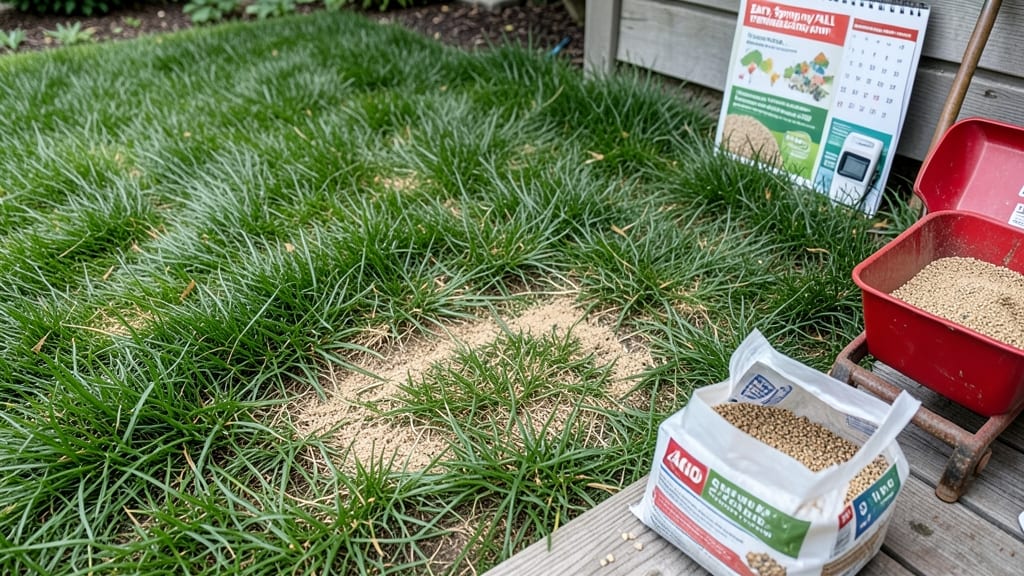
Fertilizing your Massachusetts lawn at the right times—early spring, late spring/early summer, and fall—is the key to a lush, year-round green 🌱 that stands up to our unpredictable climate.
Massachusetts homeowners often struggle to determine the perfect timing for lawn fertilization—too early and nutrients wash away, too late and growth suffers. Get the schedule right, and your lawn will thrive year-round.
With our 5b-6b climate, frost dates matter more than anywhere else. A late spring feeding after April 15 kickstarts growth, while a fall application in early September strengthens roots before winter. Skip the winter months entirely—grass is dormant, and fertilizing then just wastes money.
Below, I break down the exact three feeding windows that work for Massachusetts lawns, plus how to choose between organic and synthetic fertilizers, avoid common mistakes, and adjust for clay soil or drought. Let’s get your lawn growing strong.

Massachusetts lawn fertilization calendar: spring & fall timing explained
Timing your lawn fertilization in Massachusetts makes all the difference between a lush, vibrant yard and one that struggles to stay green. Since we’re in USDA zones 5b-6b, our cool-season grasses like Kentucky bluegrass and fescue need precise timing to avoid nutrient waste or weak growth.
The key is understanding when your soil warms, when grass actively grows, and how frost dates impact your schedule.
Most Massachusetts gardeners make two critical mistakes: fertilizing too early in spring (when nutrients leach away) or waiting too late in fall (when grass slows down). The sweet spot? Early spring (after frost) and early fall (before cold sets in).
Let’s break it down by season so you can feed your lawn at the perfect moments.
📅 Frost Dates & Soil Temps Matter: In Massachusetts, average last frost is around April 15, but coastal areas (like Cape Cod) can warm weeks earlier. Soil should reach 50°F+ before fertilizing—use a soil thermometer to check. For fall, aim to fertilize 6-8 weeks before first frost (typically by October 1 in most regions).
| Season | Timeframe | Soil Temp Threshold | Fertilizer Type | Key Notes |
|---|---|---|---|---|
| Early Spring | Late April - Early May | 50°F+ | High-Nitrogen (24-0-10) | First feeding after dormancy breaks |
| Late Spring | June | 60°F+ | Balanced (16-4-8) | Supports summer growth |
| Early Fall | Early September | 60°F+ | Slow-Release Nitrogen | Strengthens roots before winter |
| Late Fall | October (before frost) | 50°F+ | Winterizer (12-0-0) | Prevents winter burn |
| Winter | November - March | N/A (Dormant) | None | Grass is inactive; avoid fertilizing |
Let’s start with early spring fertilization, which is your lawn’s wake-up call after winter dormancy. In Massachusetts, this means waiting until after the last frost (usually mid-to-late April) and when soil temps hit 50°F+.
Use a high-nitrogen fertilizer (like 24-0-10) to jumpstart growth. Pro tip: If you have clay soil (common in western MA), aerate first to help nutrients penetrate.
Many gardeners skip late spring fertilization, but June is actually a great time for a balanced feed (16-4-8). This helps your lawn recover from spring stress and prepares it for summer heat.
Water deeply after applying to activate nutrients—1 inch per week is ideal. If you notice brown patches, this is often a sign of nutrient deficiency, not drought.
Fall fertilization is where Massachusetts lawns often go wrong. The early fall feeding (around September 1st) is critical—it encourages deep root growth before winter. Use a slow-release fertilizer to avoid late-season growth spurts that can get damaged by frost.
For coastal areas, delay until mid-September since they stay warmer longer.
Never fertilize in late fall (after October 15th), as new growth won’t harden off before winter. Instead, apply a winterizer fertilizer (like 12-0-0) in early October to protect roots from freeze-thaw cycles. This is especially important in northern MA, where winters are harsher.
Microclimates matter! Western MA (like the Berkshires) has cooler, shorter growing seasons, so adjust your timing 1-2 weeks later than coastal regions. Similarly, shady lawns (common in urban areas) need less nitrogen
How to choose the right fertilizer for your Massachusetts lawn type
Massachusetts lawns face unique challenges—clay-heavy soils, shady spots, and drought-prone summers all demand tailored fertilizer choices. The wrong blend can waste money or harm your grass, while the right one promotes dense growth and pest resistance.
Let’s break down how to match your lawn’s needs with the perfect fertilizer.
First, identify your grass type. Most Massachusetts lawns feature cool-season grasses like Kentucky bluegrass or tall fescue, which thrive in our climate. These varieties need high nitrogen in early spring and fall.
Warm-season grasses like Bermuda (less common here) prefer phosphorus-heavy blends in summer. A simple soil test reveals your lawn’s pH and nutrient deficiencies.
Organic vs. Synthetic Fertilizers for MA Lawns
Organic Fertilizers
- Pros: Improves soil health, slow-release nutrients, earthworm-friendly
- Cons: Slower results, higher cost, may attract pests
Best for: Clay soils, shady lawns, organic gardeners
Synthetic Fertilizers
- Pros: Fast-acting, precise nutrient ratios, budget-friendly
- Cons: Can burn grass, harms microbes, environmental runoff
Best for: Fast recovery, sunny lawns, frequent mowing
🌱 Tip: Mix organic (compost) with synthetic for balanced results.
For clay soil, opt for organic matter like compost or manure-based fertilizers to improve drainage. Shady areas benefit from slow-release nitrogen (like Milorganite) to prevent rapid growth that attracts pests. Drought-prone lawns need water-retentive blends with potassium to strengthen roots.
Always check the NPK ratio on fertilizer bags. Massachusetts lawns typically need 24-0-10 in spring and 10-10-10 in fall. Avoid high-phosphorus blends unless you’re establishing new grass, as excess phosphorus harms local waterways. Apply fertilizers in early morning to prevent leaf burn from afternoon heat.
Test your soil every 2-3 years to adjust your fertilizer plan. Many Massachusetts counties offer low-cost soil testing through local extension offices. Remember, less is more—over-fertilizing leads to weak grass and environmental harm. Start with half the recommended dose and observe your lawn’s response.
Finally, consider liquid fertilizers for quick fixes (like after a pest infestation) and granular fertilizers for long-term feeding. Pair your choice with proper watering: 1 inch of water per week to activate nutrients and prevent runoff.
With the right fertilizer, your Massachusetts lawn will stay green, resilient, and pest-free all season. 🌿