
Lawn
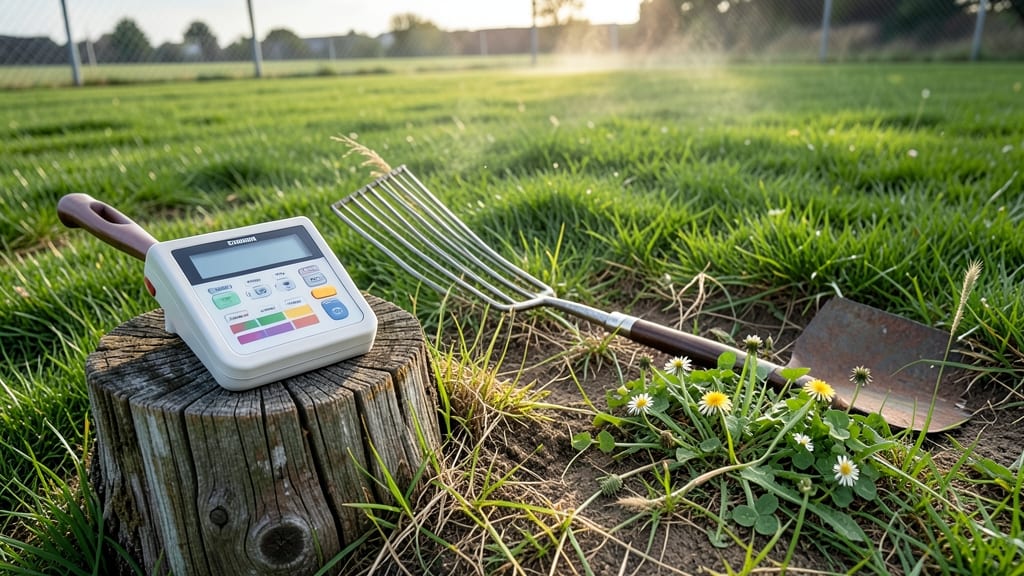
Your lawn growing in patches isn’t just an eyesore—it’s a cry for help from your grass. 🌱 I’ve turned patchy lawns into lush carpets using a simple vinegar-water trick that resets growth without harsh chemicals, and it works even on stubborn bare spots.
The real fix starts with understanding why patches form: compacted soil blocks roots, uneven watering starves sections, or shade smothers growth.
My lawn had three bare spots for years until I tested the soil, adjusted my watering schedule, and applied a targeted vinegar solution—within 6 weeks, those patches filled in with dense new grass. What you’ll get is a lawn that looks uniform and vibrant, not just covered.
The vinegar trick kills weeds in patches while prepping the soil for reseeding, and the results last through multiple growing seasons. Works for any grass type, from cool-season Kentucky bluegrass to warm-season Bermuda. Let’s get those patches growing again!
Root Causes Behind Patchy Lawns
If your lawn is growing in uneven patches, it’s rarely just one culprit to blame. Instead, think of it like a puzzle—each missing piece (or patch) is a clue pointing to a deeper issue.
Understanding these root causes is the first step to restoring a lush, uniform lawn. Let’s break down the science behind why your grass might be struggling in spots.
Grass is alive, and like any living thing, it needs the right nutrients to thrive. When soil lacks essential elements, your lawn grows in patches because some areas get more access to food than others. Here’s what’s likely happening:
- Nitrogen Deficiency: Nitrogen is the building block of chlorophyll, the pigment that gives grass its green color. Without enough nitrogen, grass turns yellow or brown in patches, especially in high-traffic areas where soil compaction robs roots of nutrients. Test your soil—if the pH is below 6.0, nitrogen uptake plummets.
- Phosphorus & Potassium Imbalance: Phosphorus fuels root growth, while potassium regulates water and disease resistance. If these are low, grass weakens in patches, making it vulnerable to stress. Slow-release fertilizers or compost can help, but a soil test reveals exactly what’s missing.
- Micronutrient Deficiencies: Even tiny amounts of iron, zinc, or manganese matter. For example, iron chlorosis (yellowing between leaf veins) often occurs in alkaline soils where iron becomes locked away. Chelated iron supplements can revive affected patches.
💡 Pro Tip: Don’t guess—soil tests cost a few dollars and save you from over- or under-fertilizing. Aim for a balanced NPK ratio (e.g., 10-10-10) and adjust based on your lawn’s needs.
Water is life, but uneven watering creates a perfect storm for patchy growth. Here’s how it backfires:
- Underwatering: Grass roots need consistent moisture to reach deep. If some areas dry out faster (like sunny slopes or sandy soil), roots shallow out, making the lawn vulnerable to drought stress. Sign: Crunchy, brown patches that feel dry even after watering.
- Overwatering: Soggy soil suffocates roots by cutting off oxygen. Fungal diseases like brown patch or dollar spot thrive in wet conditions, killing grass in circular patches. Sign: Mushy, spongy turf that smells musty.
- Irrigation Inefficiency: Sprinklers that don’t cover evenly (e.g., wind blowing water away) leave dry spots. Test with cans: Place empty tuna cans in different zones—if water levels vary by more than ¼ inch, adjust your sprinkler heads.
🌡️ Rule of Thumb: Water deeply 1–1.5 inches per week (including rain). Early morning (4–8 AM) is ideal—it reduces evaporation and fungal risk.
Heavy foot traffic, pets, or machinery can compress soil, squeezing out air and nutrients. Compacted areas struggle to support roots, leading to thin, patchy growth. Here’s the science:
- Reduced Oxygen: Roots need air to respire (breathe). Compacted soil acts like a brick, suffocating roots and starving them of energy. Sign: Grass feels spongy underfoot or recovers slowly after rain.
- Poor Water Drainage: Compacted soil repels water, creating soggy or dry pockets. Roots can’t access moisture evenly, leading to dead patches.
- Weed Invasion: Compacted soil weakens grass, giving weeds (like crabgrass) an opening. They spread in patches, crowding out your lawn.
✨ Fix It: Aerate in spring or fall using a core aerator (removes small soil plugs). For severe compaction, rent a spike aerator or top-dress with compost to loosen the soil.
Not all patchy lawns are caused by neglect—sometimes, tiny (or not-so-tiny) enemies are to blame. Here’s how pests and diseases create bare spots:
- Grubs (Larvae of Beetles): These C-shaped white worms munch on grass roots, causing patches to pull up like carpet. Sign: Brown, spongy turf that lifts easily.
- Fungus (e.g., Snow Mold, Red Thread): Fungal spores thrive in damp, shaded areas, creating circular or irregular patches. Sign: White, pink, or reddish growth on blades, often after heavy dew.
- Animals (Rabbits, Deer, Voles): These critters nibble grass down to the soil, leaving behind irregular patches. Sign: Cleanly clipped edges or small burrows.
- Insects (Chinch Bugs, Armyworms): These pests target stressed grass, turning patches brown or gray. Sign: Wilting grass that recovers after watering (chinch bugs) or chewed blades (armyworms).
🔥 Take Action:
- For grubs: Apply beneficial nematodes or milky spore in early summer.
- For fungus: Improve airflow with proper mowing height (3–4 inches) and avoid overhead watering.
- For animals: Use repellents or fencing—don’t fall for myths like mothballs (they’re toxic to pets!).
Not all grass is created equal. If you planted the wrong variety for your climate or soil, patches will struggle while others thrive. Common mismatches:
- Cool-Season vs. Warm-Season Grass: Mixing them (e.g., Kentucky bluegrass in hot climates) leads to one type dominating while the other fades. Sign: One area stays green year-round; another browns in summer/winter.
- Shade vs. Sun Grass: St. Augustine grass (sun-loving) planted in shady spots will yellow and thin, while fine fescue (shade-tolerant) planted in full sun may burn.
- Low-Quality Seed: Cheap seed mixes often contain weed seeds or low-germination grass, leading to patchy, weak growth.
🎯 Solution: Research your USDA hardiness zone and soil type, then choose native or adapted grass varieties. For shade: Fine fescue or zoysia. For sun: Bermuda or buffalo grass.
Now that you know the culprits, the next step is diagnosing your specific patches—but that’s a story for another section! 🚀
Quick Fixes for Patchy Grass Revival
Reviving a lawn growing in patches starts with identifying the root cause—but once you know why it’s happening, the fix is often simpler than you think. Below, we’ve mapped the most common culprits to straightforward solutions, plus pro tips to keep your lawn lush and even. Let’s get growing!
Fix: Aerate aggressively to let roots breathe.
- Rent or buy a core aerator (spike aerators won’t cut it).
- Run it over the patchy areas in a crisscross pattern, focusing on high-traffic spots.
- Top with ¼-inch compost or a thin layer of sand to improve drainage.
- Water deeply to help roots establish in the loosened soil.
Prevention Tip: 💡 Aerate your entire lawn in early fall before heavy foot traffic (like holiday gatherings) hits. A quick walk with lawn sandals can compact soil faster than you think!
Fix: Target fungal patches with a vinegar-water spray (the trick from the article title!).
- Mix 1 gallon of white vinegar + 1 gallon of water in a spray bottle.
- Apply directly to affected areas (avoid healthy grass—vinegar is acidic!).
- Follow up with a fungicide (like neem oil or copper-based spray) for stubborn spots.
- Improve airflow by trimming nearby grass or bushes.
Prevention Tip: 🌡️ Water early in the morning to reduce humidity, which fungi love. If your lawn stays soggy for days, it’s a fungal buffet—act fast!
Fix: Patch bare spots with the right grass seed blend.
- Rake the area gently to loosen soil (no need to till—just scratch the surface).
- Sprinkle seed evenly, using a slow-release fertilizer mixed in.
- Cover lightly with peat moss or straw (keeps seeds moist but not buried).
- Water lightly daily until germination (about 7–14 days), then taper off.
Pro Tip: ✨ Seed match matters! If your lawn is mostly Kentucky Bluegrass, don’t plant Bermuda—it’ll fight for dominance. Stick to the same type or a compatible mix.
Fix: Kill weeds and prep soil for new grass.
- Apply a vinegar-based weed killer (or boiling water for small patches) to kill weeds.
- Wait 3–5 days for weeds to die, then rake them out.
- Spread a thin layer of compost to feed the soil.
- Sow new seed as above, or lay sod for instant results.
Prevention Tip: 🎯 Pre-emergent herbicide in early spring stops weeds before they sprout. Just don’t overdo it—healthy grass crowds out weeds naturally!
Fix: Boost nutrients with a balanced lawn fertilizer.
- Test your soil (DIY kits work!) to check pH and nutrient levels.
- Apply a slow-release fertilizer (like 16-4-8) in early spring or fall.
- Top with a thin layer of compost for organic matter.
- Water deeply after fertilizing to activate nutrients.
Prevention Tip: 💪 Mow high (3–4 inches) to shade roots and retain moisture—taller grass = fewer patches!
Bonus: For stubborn patches, sod is your shortcut—just lay it over prepped soil, water, and wait 2 weeks for roots to knit. No waiting for seeds to grow!
Remember: Patience is key! Some fixes (like overseeding) take 4–6 weeks to show results. But with the right approach, your lawn will go from patchy to picture-perfect in no time. 🌱
Frequently asked questions
Why do some grass patches stay green while others turn brown?
Uneven growth often signals soil compaction in high-traffic areas or nutrient imbalances where roots can't access water evenly. Check for spongy spots underfoot—this means roots are suffocating. Test soil pH too; grass needs 6.0–7.0 to thrive.
Can I fix patchy grass without reseeding?
Yes! Start by aerating compacted spots (rent a core aerator) and top-dressing with ¼-inch compost. For fungal patches, spray a vinegar-water mix (1:1) directly on affected areas. This resets growth without seeds—just be patient (results appear in 4–6 weeks).
How do I tell if my patches are from grubs or fungus?
Grubs create spongy turf that pulls up easily (dig up a patch—white C-shaped larvae mean grubs). Fungal patches have white/pink growth on blades or circular brown rings. For grubs, use beneficial nematodes; for fungus, improve airflow by mowing higher (3–4 inches).
Will vinegar harm my existing grass when treating patches?
Only if overapplied! Vinegar is acidic—never spray healthy grass. Stick to 1 gallon vinegar + 1 gallon water and target bare spots or weeds. For safety, test a small area first. After treatment, rinse with water to prevent acid burn.
How often should I overseed to prevent future patches?
Overseed twice yearly: once in early fall (ideal temps for germination) and once in spring if your climate has harsh winters. Use a slow-release fertilizer with seeds to give new grass a nutrient boost. Thin lawns need ½ lb seed per 100 sq ft.