
Lawn
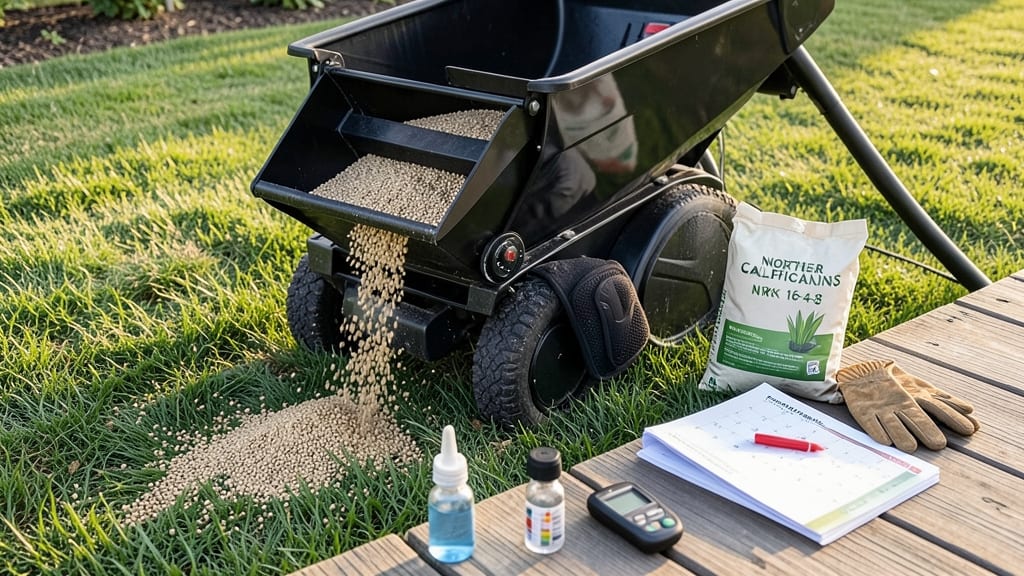
To fertilize lawn grass in Northern California at the right time means aligning with your microclimate’s unique rhythm—coastal fog delays growth, while inland heat demands early feeding.
Northern California’s diverse microclimates—from coastal fog to inland heat—mean your lawn’s fertilization schedule must adapt or risk overfeeding, underfeeding, or even burning your grass. Timing isn’t just about seasons; it’s about understanding your specific zone’s unique growing patterns.
In USDA zones 8a-9b, the best windows are early spring (March-April) for kickstarting growth and fall (September-October) to strengthen roots before winter. But coastal areas like San Francisco may need a later spring feed, while inland regions like Sacramento can handle it sooner.
This guide breaks down the exact months to fertilize, how to read your lawn’s signals, and the products that work best for your microclimate—so you can skip the guesswork and keep your 🌱 thriving year-round.

Northern California fertilization zones: coastal vs. inland timing differences
Northern California’s microclimates create dramatic differences in lawn care needs. Coastal areas like San Francisco and Monterey experience mild winters and cool summers, while inland regions such as Sacramento and Redding face hotter summers and colder winters. These variations directly impact when—and how—you should fertilize your lawn for optimal health.
The key difference lies in temperature shifts and rainfall patterns. Coastal lawns benefit from fall fertilization to strengthen roots before winter rains, while inland lawns prioritize spring feeding to kickstart growth after dormancy.
Understanding your zone’s unique conditions ensures you’re not overfeeding during stress periods or underfeeding during peak growth.
Coastal regions (USDA zones 8b-9a) like the Bay Area and Monterey Bay thrive with fall fertilization in September-October, taking advantage of cooler temps and increased rainfall. Inland areas (zones 9b-10a) such as Sacramento and Redding often need spring fertilization in March-April to combat summer drought stress.
Rainfall timing is another critical factor. Coastal lawns receive consistent moisture year-round, allowing for more frequent light feedings. In contrast, inland lawns may experience summer drought, making it essential to pause fertilization during heatwaves to avoid burning grass.
Here’s how these zones differ in fertilization timing:
For coastal lawns, the goal is to strengthen roots before winter rains. A fall fertilization in September-October provides essential nutrients while cooler temps reduce the risk of fertilizer burn. In contrast, inland lawns should focus on spring feeding to encourage rapid growth before summer’s heat sets in.
Another critical factor is dormancy periods. Coastal grasses may stay semi-active year-round, while inland varieties often enter dormancy during winter. Fertilizing dormant grass is a waste of resources and can harm the lawn. Always check for active growth (new shoots, vibrant color) before applying fertilizer.
If you’re unsure about your zone’s specific needs, conduct a soil test in early spring or fall. This will reveal nutrient deficiencies and help you tailor your fertilization schedule.
For example, coastal soils often need more iron due to high rainfall leaching, while inland soils may lack phosphorus for root development.
Pro tip: Use a slow-release fertilizer in coastal areas to provide steady nutrients during winter rains, while quick-release options work better for inland lawns needing an immediate growth boost in spring. Always water thoroughly after applying fertilizer to activate nutrients and prevent burn.
Remember, over-fertilizing is a common mistake, especially in coastal zones where frequent rain can wash away excess nutrients. Stick to the recommended rates and adjust based on your lawn’s response—healthier grass is the best indicator of success! 🌱
Seasonal fertilization calendar: month-by-month schedule for Northern California lawns
Northern California’s microclimates create unique fertilization challenges. Coastal areas like San Francisco benefit from fall feeding due to cooler winters, while inland regions like Sacramento need early spring boosts to combat summer drought. The key is matching your grass type (cool-season vs. warm-season) with the right fertilizer timing.
For cool-season grasses (like Kentucky bluegrass or fescue), the ideal windows are March-April and September-October. Warm-season grasses (like Bermuda) thrive with late spring fertilization. Slow-release fertilizers are best for coastal areas, while quick-release options work for inland drought recovery.
📅 Northern California Lawn Fertilization Schedule
- 🌱 January-February: Skip fertilization. Grass is dormant; focus on aeration if compacted. Apply pre-emergent herbicide in late February for weed prevention.
- 🌿 March-April: First feeding with high-nitrogen fertilizer (16-4-8 or 20-5-10). Coastal areas wait until late April to avoid fungal growth from fog.
- ☀️ May-June: Light feeding if grass shows pale green patches. Avoid fertilizing during drought or heatwaves (stresses roots).
- 🌞 July-August: No fertilization. Focus on deep watering (1-1.5 inches/week). Apply post-drought recovery fertilizer only after 2+ weeks of rain.
- 🍂 September-October: Fall fertilization with slow-release (10-0-20 or organic compost). Coastal areas prioritize September; inland areas can extend to October.
- ❄️ November-December: Pause fertilization. Grass enters dormancy. Apply winter mulch (straw) to protect roots in frost-prone areas.
For coastal regions, September-October is critical—cool temps and increased rainfall help roots absorb nutrients. Inland areas should fertilize in March to outpace weeds before summer drought sets in. Always test soil pH (ideal: 6.0-7.0) before applying fertilizer to avoid burning grass.
After wildfire recovery or drought stress, wait 4-6 weeks before fertilizing to let grass re-establish roots. Use a low-nitrogen starter fertilizer (e.g., 5-5-5) to avoid overfeeding damaged turf. Organic options like compost or alfalfa meal are safer for recovery phases.
Pro tip: Water deeply (1-1.5 inches) 24 hours before and after fertilizing to activate nutrients and prevent burn. Early morning applications (6-9 AM) reduce evaporation and pesticide drift. Adjust your schedule if Santa Ana winds or persistent fog delay grass growth.
By following this microclimate-specific schedule, your Northern California lawn will stay lush year-round—without wasting fertilizer or risking environmental runoff. 🌱