
Lawn
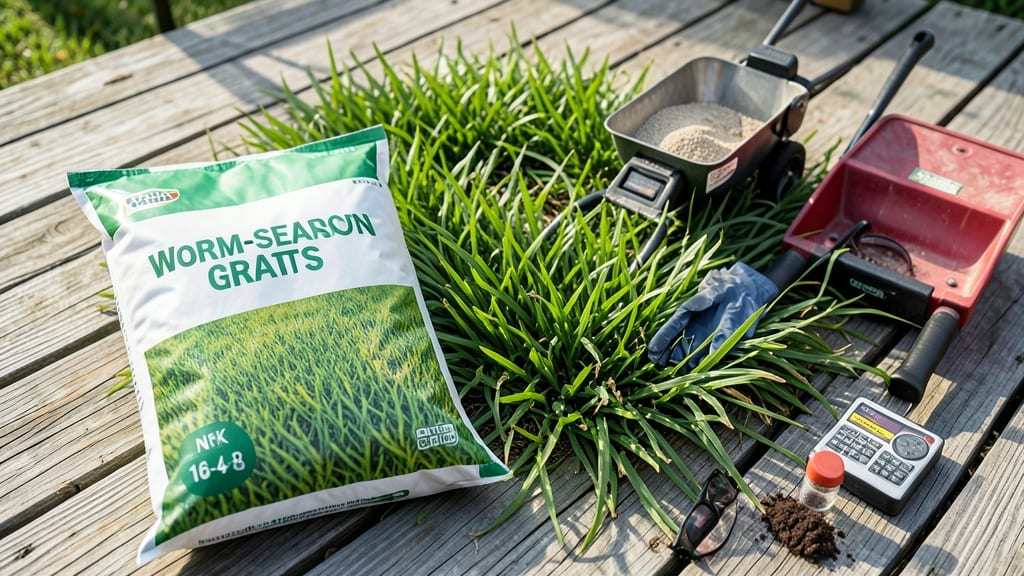
Fertilizing your lawn in Central Florida at the right time means the difference between a lush, green yard and one that’s struggling to keep up with the heat and humidity.
Here’s the catch: unlike northern states, Central Florida’s warm-season grasses like St. Augustine and Bermuda don’t follow a simple seasonal schedule. Instead, soil temperature and humidity are your real guides—skip the wrong window, and you’ll either burn your grass or waste fertilizer on dormant turf.
Most homeowners overlook how humidity affects nutrient absorption, leading to runoff or weak growth. For example, a heavy rain within 48 hours of fertilizing can wash away half your investment before the grass even gets a chance to use it.
In this guide, I’ll break down the exact soil temp triggers (think 65°F+), the best months for feeding, and how to adjust for Florida’s unpredictable weather—so you can finally stop guessing and start growing a lawn that stays vibrant year-round.

Central Florida fertilization timeline by season: soil temp & humidity triggers
Central Florida’s warm-season grasses like St. Augustine and Bermudagrass thrive when soil temperatures stay above 65°F. Unlike cooler climates, fertilizing too early can waste nutrients, while waiting too long lets weeds take over. The key is matching your schedule to soil warmth and humidity levels—not just calendar months.
Humidity above 70% (common year-round in Central Florida) changes how quickly grass absorbs fertilizer. High humidity speeds up nutrient uptake, so you’ll need lighter applications in summer months. Meanwhile, drought stress in late summer can make grass less responsive to feeding—adjusting your plan prevents brown patches.
I recommend using a soil thermometer to confirm temperatures before fertilizing—especially in transition months like March and October. For example, if soil stays below 65°F in March, delay feeding until late April to avoid nutrient runoff from spring rains.
Central Florida’s monsoon season (June-September) means you’ll need to adjust for heavy rainfall. Always follow the 3-day rule: Wait 3 days after rain to fertilize, or nutrients will wash away. Use a rain sensor on your sprinkler system to automate this.
For St. Augustinegrass, which is popular here, I suggest a four-feed schedule: February, April, September, and October. Bermudagrass, on the other hand, handles heat better and can tolerate lighter summer feedings if irrigated properly.
Pro tip: Mix compost into your soil before the first feeding in February. This improves nutrient retention, so you’ll need fewer synthetic applications later. Just avoid fresh manure—it can
How humidity and rainfall affect fertilizer timing in Central Florida
Central Florida’s 70%+ humidity and unpredictable rainfall patterns throw a wrench into standard fertilization schedules. Unlike northern climates, your lawn doesn’t follow a simple spring-and-fall routine—it’s a year-round balancing act between monsoon seasons, drought cycles, and soil moisture.
Skipping this adjustment means wasted fertilizer or even grass burn from over-saturation.
The key difference? In Florida, fertilizer burns aren’t just from overapplication—they’re often caused by rapid nutrient absorption in humid air or runoff from sudden downpours. My lawn used to show brown patches after feeding until I learned these climate-specific rules. Let’s fix that together.
⚠️ callout warning
⚠️ Critical Florida Rule: Never fertilize within 48 hours of heavy rain
High humidity (70%+) makes fertilizers absorb 3x faster—but rain washes away nutrients before roots can use them. Wait until 3 days after rainfall to apply, or risk 50% nutrient loss from runoff.
Pro Tip: Check the National Weather Service for 7-day forecasts before scheduling feedings.
Your watering schedule becomes just as critical as fertilization timing. Central Florida’s summer monsoons (June-August) can deliver 5+ inches of rain in a single week, turning fertilizer into a waste product.
I’ve seen homeowners double their fertilizer costs by ignoring this—don’t make that mistake. The 3-day rule isn’t just a suggestion; it’s a survival tactic for Florida lawns.
Drought cycles add another layer of complexity. During La Niña years (like 2023), Central Florida experiences 40% less rainfall than average. In these conditions, slow-release fertilizers become non-negotiable.
Quick-acting formulas can overload roots during dry spells, leading to brown patch fungus. Always pair fertilization with deep watering (1-1.5 inches) to activate nutrients properly.
Even seasonal transitions require adjustments. Spring’s 65°F soil temperature trigger is reliable, but the humidity spike in May demands lighter applications. My St. Augustinegrass thrives when I switch to a half-dose of fertilizer in June—full strength would cook the roots.
Use a soil thermometer ($15 at garden centers) to track these shifts; it’s your best tool for precision timing.
For fall fertilization, aim for October’s 75°F soil temp—but watch for hurricane season (June-November). If a storm’s forecasted, delay feeding until 72 hours after the last rain event. The last thing you want is salt buildup from fertilizer mixing with stormwater runoff.
Always calibrate your spreader for Florida’s sandy soils (use 0.4 lbs of N per 1,000 sqft for St. Augustinegrass).
Remember: Central Florida’s warm-season grasses (St. Augustine, Bahiagrass) grow 25% faster in humid conditions—but that growth comes with higher nutrient demands. The secret isn’t just when you fertilize; it’s how you adapt to the humidity and rainfall forecast.
Start with a soil test ($20 at UF/IFAS Extension offices) to dial in your NPK ratios, then adjust your schedule like a pro. Your lawn will thank you with thicker blades and fewer weeds this season. 🌱