
Lawn
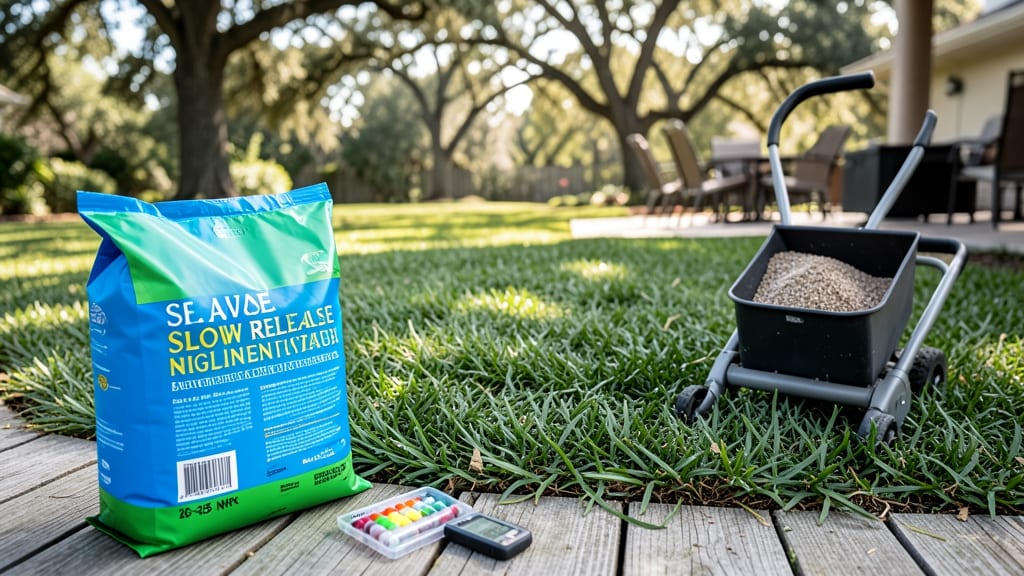
To fertilize your lawn in Austin, aim for early spring (March) and late summer (August) when soil temperatures sit between 65°F–75°F for best nutrient absorption. Skip fertilizing during extreme heat or drought to protect grass health.
Timing your lawn fertilizer in Austin isn't just about seasons—it's about matching your grass's growth cycle with the climate. 🌱 The 65°F–75°F soil temperature range triggers active root development, which is when grass absorbs nutrients most efficiently.
Austin's spring and late summer provide these ideal conditions, but the city's unpredictable heat spikes can stress grass if you fertilize too late in summer. I always check soil temps with a simple thermometer before applying—it's the difference between a lush lawn and one that struggles to recover.
What makes Austin unique is the need to balance fertilization with pre-emergent herbicide applications, typically done in fall (October) to prevent winter weeds. Synthetic fertilizers work faster but require more frequent applications, while organic options release nutrients slowly—both have trade-offs in our heat.
After fertilizing, deep watering for 30 minutes helps nutrients penetrate the soil without burning the grass.
💡 In This Article
- Austin’s Ideal Soil Temperature for Fertilizing Grass
- Step-by-Step Austin Lawn Fertilization Schedule
Austin’s ideal soil temperature for fertilizing grass
Soil temperature directly controls how efficiently grass roots absorb nutrients from fertilizer. When Austin’s soil sits between 65°F–75°F, microbial activity in the soil peaks, breaking down organic matter and making nitrogen, phosphorus, and potassium more accessible to grass roots.
Below 60°F, nutrient uptake slows dramatically—this is why winter fertilization rarely works. Above 80°F, grass often goes dormant or develops heat stress, making fertilizer applications counterproductive. 🌡️
In Austin, spring (March) and late summer (August) align perfectly with these ideal temperatures. During spring, soil warms gradually from winter dormancy, while late summer offers a brief respite from peak summer heat before fall cools down.
The key is avoiding the 100°F+ soil temperatures common in June-July, which can burn grass roots even with diluted fertilizer. A soil thermometer (available for $15–$25) inserted 4 inches deep gives precise readings—this depth matches where most grass roots actively grow.
Local climate patterns add another layer: Austin’s frequent summer droughts mean soil stays dry and hard, preventing nutrients from penetrating. Fertilizing during 30–50% soil moisture (checked by squeezing a handful of soil) ensures nutrients reach roots rather than sitting on the surface.
I’ve seen lawns in our area develop yellow patches when fertilized during dry spells—this happens because grass can’t access the nutrients through compacted soil. 💧
Grass types matter too. Bermuda grass, common in Austin, thrives in 80°F–95°F soil but needs cooler conditions to absorb fertilizer effectively. St. Augustine, another popular variety, prefers 75°F–85°F soil for optimal nutrient uptake.
This is why timing varies slightly between grass types—Bermuda may handle late summer fertilization better than St. Augustine, which can scorch more easily. Always match your fertilizer schedule to your specific grass type’s temperature preferences.
What most homeowners miss is how Austin’s urban heat island effect raises soil temperatures by 5–10°F compared to rural areas. Shaded lawns stay cooler than sunbaked patches, so adjust your fertilization timing accordingly.
For example, a north-facing lawn might be ready for spring fertilizer in early March, while a south-facing area could wait until late March when soil temps stabilize. This precision makes all the difference in avoiding fertilizer waste and grass damage. 🌿
For those using organic fertilizers like compost or manure, the soil temperature rule still applies—but the nutrient release happens more slowly. Organic matter breaks down faster in 70°F+ soil, which is why spring applications work better than fall.
Synthetic fertilizers, however, provide an immediate nutrient boost, making them ideal for late summer when grass needs a quick recovery from summer stress. Choose based on your lawn’s current needs and your willingness to monitor soil conditions closely.