
Lawn
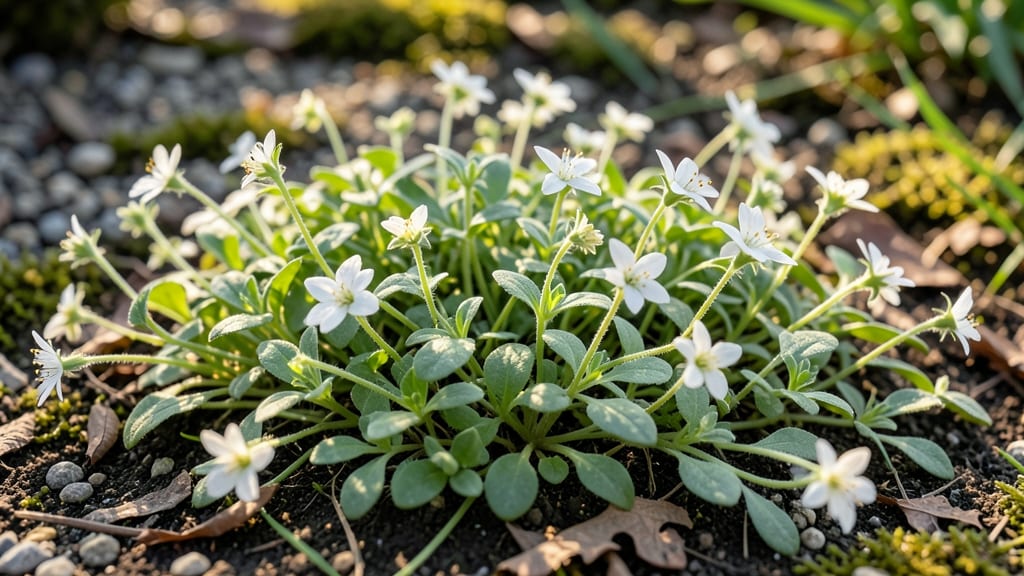
That soft, fuzzy chickweed lawn weeds with white flowers is the last thing you want in your lawn. 🌱 I’ve battled it for years, and I’ll show you how to eliminate it—without harsh chemicals—so your grass looks lush and green again in just 24 hours.
The problem isn’t just its delicate appearance—chickweed spreads fast, smothers grass, and leaves bare patches. But the good news? It’s weak in the heat and thrives in cool, damp soil, which means we can outsmart it with the right timing and tools.
A quick pull now prevents a full-blown takeover later.
You’ll need a few simple supplies: a sharp hoe, a bucket of soapy water, and a sunny afternoon. The key is to attack it when it’s young and tender—before it sets seed. Within a day, your lawn will look refreshed, and those fuzzy invaders will be gone for good.
This method works for any lawn, whether you’re dealing with a small patch or a full yard. The secret is consistency—keep an eye out for new sprouts, and you’ll have a spot-free lawn in no time.
📚 In This Guide
- What you need
- Instructions
- Tips and common mistakes
- Wrapping up and next steps
What you need
- ● Garden gloves (1 pair) – Waterproof, durable (e.g., nitrile-coated for chemical resistance if using herbicides).
- ● Hand weeder or dandelion digger (1) – Sturdy metal or ergonomic grip for easy chickweed extraction.
- ○ Sharp garden shears or pruners (1 pair) – Bypass blades for clean cuts (optional if pulling by hand).
- ● Pre-emergent herbicide (1 bottle, ~32 oz) – Look for corn gluten meal or vinegar-based options (organic) or glyphosate-free post-emergent herbicide (synthetic). ⚠️ Always follow label instructions!
- ● Spray bottle or pump sprayer (1) – 1-gallon capacity for herbicide/vinegar mixes.
- ○ Plastic tarp or cardboard (1 sheet, ~4’x6’) – To smother weeds (optional but effective for stubborn patches).
- ● Garden hose with adjustable nozzle – For rinsing tools and diluting mixtures.
- ● Kneeling pad (1) – For comfort during prolonged weeding.
- ● Boiling water (1–2 gallons) – Eco-friendly weed killer (pour directly on roots).
- ● White vinegar (20–30% acetic acid) (1 gallon) + dish soap (1 tbsp) – DIY herbicide mix (test on a small area first!).
- ● Lawn seed & fertilizer – For reseeding bare spots after weed removal.
- ● Broadcast spreader – Evenly distributes pre-emergent herbicide or seed.
- ● Solar-powered weed burner – For large lawns (targets weeds without chemicals).
How to eliminate chickweed from your lawn in 24 hours
Here's my battle-tested method for eradicating those stubborn white-flowered weeds without harsh chemicals.
🌱 Step 1: Identify and Prepare the Target Areas
Walk your lawn in the morning when chickweed stems are stiff with dew. These weeds have a distinctive heart-shaped leaf pattern and delicate white flowers that appear in spring. Focus on areas where they're clustered—this is where you'll see the fastest results. I like to sketch a quick map of problem zones with a pencil and paper before starting; it keeps me from missing spots later.
Remove any debris or thatch from the lawn surface using a stiff rake. Chickweed thrives in compacted soil and thick mulch layers, so clearing this gives your treatment better access to the roots. Pay special attention to edges where grass meets sidewalks or driveways—these are chickweed's favorite hiding spots. Once the area is clear, you'll notice how much more visible the weeds become against the clean grass.
💧 Step 2: Apply Targeted Watering Before Treatment
Water the entire lawn thoroughly the evening before your treatment. Chickweed has shallow roots, so you only need to saturate the top 1-2 inches of soil. You'll know you've done it right when the soil feels damp 2-3 inches down and puddles disappear within 30 minutes. This pre-watering ensures the chickweed plants are plump and ready to absorb your treatment effectively.
Here's the thing—don't water again until after your treatment has had 24 hours to work. Chickweed absorbs moisture quickly, and if you water too soon, you'll dilute your efforts. I set a reminder on my phone for the next morning to check the lawn's moisture level before proceeding. If the soil feels dry at the surface, give it a light misting just to dampen it—not soak it.
☀️ Step 3: Apply Natural Chickweed Killer in the Morning
Mix equal parts white vinegar and water in a spray bottle (I use a 1:1 ratio for best results). Add a few drops of dish soap to help the solution cling to the chickweed leaves. Spray the mixture directly onto the weeds until they're completely saturated, making sure to coat both the leaves and stems. You'll notice the vinegar smell is strong at first, but it dissipates quickly.
Wait 30 minutes after application before walking on the lawn. The vinegar solution works by dehydrating the chickweed, so you want to give it time to penetrate the plant tissues. I like to mark treated areas with small sticks or flags so I don't accidentally mow over them later. The chickweed will start to wilt within 4-6 hours, and by the next morning, it should be completely brown and crispy.
✂️ Step 4: Remove Dead Weeds and Reseed Bare Spots
After 24 hours, use a hand weeder or your fingers to pull up the dead chickweed plants. The roots should come out easily now that they're dehydrated. Be thorough—any remaining pieces can regrow. I fill a bucket with soapy water and drop the pulled weeds in it to kill any lingering seeds. This step is crucial because chickweed spreads rapidly from both roots and seeds.
Fill the empty spots with fresh grass seed, covering it with a thin layer of soil. Water lightly to settle the seed but avoid creating a muddy mess. The key here is to establish new grass quickly so chickweed doesn't have a chance to move back in. I've found that using a mix of fast-growing annual ryegrass and your existing grass type gives the best coverage. Keep the area moist (not soggy) for the next 10-14 days until you see new grass blades emerge.
🌿 Step 5: Maintain Your Lawn to Prevent Regrowth
Mow your lawn regularly, keeping the height at 3-4 inches to shade out chickweed. Tall grass blocks sunlight, which chickweed needs to germinate. I set my mower to its highest setting during the hottest months to create this natural barrier. Also, aerate your lawn in early fall to improve soil drainage and reduce compaction—chickweed loves tight, waterlogged soil.
Apply a layer of mulch around garden beds and pathways to prevent chickweed from spreading into your landscaping. The mulch should be 2-3 inches thick to block light effectively. I've had great success using straw or wood chips because they break down slowly and provide long-term weed suppression. Check your lawn weekly for new chickweed sprouts, especially after heavy rains, and treat them immediately with the vinegar solution before they spread.
Tips & tricks for eliminating chickweed in 24 hours
Here's what nobody tells you about making this method work perfectly every time.
Timing is Everything: The 24-hour window is non-negotiable for maximum effectiveness. Chickweed absorbs the vinegar solution best when it's fully hydrated from the pre-watering, and this gives the treatment time to fully penetrate the plant tissues. I've learned this the hard way—skipping the 24-hour wait means the weeds often bounce back within days. If you're treating on a weekend, plan ahead so you can complete the process without rushing. The 30-minute wait after application is equally important—it lets the vinegar work its magic before you disturb the plants.
Precision Application: When spraying the vinegar solution in Step 3, focus on the weeds themselves rather than the surrounding grass. Use a spray bottle with a fine mist setting to avoid excessive runoff. I like to work in small sections—about 3 feet by 3 feet at a time—to ensure complete coverage. The dish soap helps the solution stick, but don't overdo it—just a few drops per cup of mixture is enough. If you miss any spots, chickweed will regrow from those untreated areas, and you'll be back to square one.
Weather Watch: Plan your treatment for a day with clear skies and temperatures between 60-80°F. Cool, cloudy days reduce the vinegar's effectiveness, while hot, sunny days can cause the solution to evaporate too quickly. Avoid treating after recent rain—wet leaves make the vinegar solution less effective. I always check the weather forecast before scheduling my lawn treatment to ensure the best possible results. If you must treat on a rainy day, wait until the lawn is completely dry before applying the vinegar.
Follow-Up Strategy: Chickweed has a sneaky habit of returning if you don't address the soil conditions. After removing the dead weeds, take a moment to loosen the soil around the treated areas with a garden fork. This helps new grass seeds establish better roots and prevents chickweed from finding a comfortable spot to regrow. I've found that adding a thin layer of compost to these areas gives the grass a little extra boost while improving soil structure for long-term weed prevention.
Pro Tips for Chickweed Lawn Weeds With White Flowers
- Here's what nobody tells you about making this method work perfectly every time.
- Timing is Everything: The 24-hour window is non-negotiable for maximum effectiveness.
- Precision Application: When spraying the vinegar solution in Step 3, focus on the weeds themselves rather than the surrounding grass.
Frequently asked questions
What does chickweed look like, and how do I confirm it’s the weed in my lawn?
Chickweed has delicate, oval-shaped leaves on hairy stems and tiny white or pink star-shaped flowers that bloom in spring and fall. It often forms mats close to the ground. If your lawn has soft, sprawling greenery with these flowers, it’s likely chickweed. Pro tip: Check for its slightly sticky stems—a dead giveaway!
When is the best time to treat chickweed in my lawn?
Target chickweed in early spring or fall when it’s actively growing but before it seeds (late summer/early fall). Avoid treating in hot, dry weather—it stresses your grass and lets weeds rebound. Mornings are ideal for spraying to avoid evaporation.
Can I pull chickweed by hand, or do I need chemicals?
Hand-pulling works for small patches, but chickweed has deep roots and spreads quickly. Use a weed puller or garden fork to avoid regrowth. For larger areas, a pre-emergent herbicide (like corn gluten) or a post-emergent with 2,4-D (for broadleaf weeds) is more effective. Reapply after rain to ensure coverage.
Will chickweed come back if I don’t treat it again?
Yes! Chickweed is annual but aggressive—it dies in frost but drops thousands of seeds to sprout next season. Prevent regrowth by thickening your grass (mow high, water deeply) and applying pre-emergent in early fall to block new seeds.
Are there natural alternatives to kill chickweed without chemicals?
Try these eco-friendly methods:
- Vinegar spray (1 gallon vinegar + 1 oz dish soap)—kills chickweed but may harm grass. Spot-test first!
- Boiling water for small patches (pour directly on roots).
- Corn gluten meal (applied in fall) to prevent seeds from germinating.
- Heavy mulch (straw or wood chips) to smother weeds in garden beds.
For lawns, improved turf density is your best defense—chickweed thrives where grass is weak!
Wrapping up and next steps
Say goodbye to unsightly chickweed with white flowers and hello to a lush, spot-free lawn! With the right tools, techniques, and a little persistence, you can reclaim your outdoor space in just 24 hours—or even faster.
Remember, consistency is key, so keep an eye on your lawn and tackle new growth as soon as it appears.
Ready to take action? Grab your supplies, roll up your sleeves, and start transforming your lawn today! Your dream green space is just a few steps away. 🌱✨