
Lawn
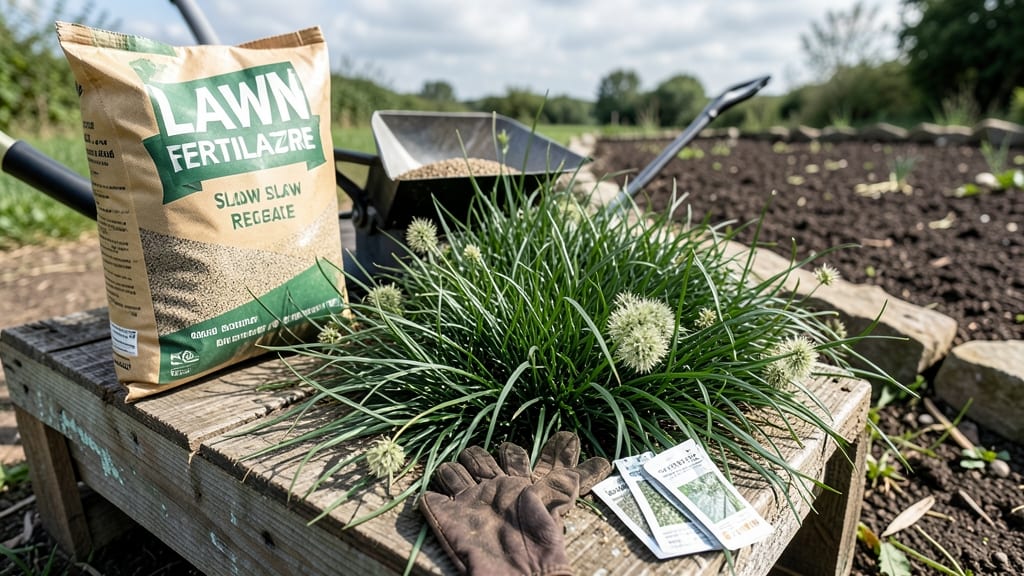
Fertilizing and seeding your lawn at the right time is the difference between a thick, vibrant carpet of grass 🌱 and a patchy, weed-infested mess.
Picture this: you’ve just spread new seed, but the summer heat dries it out before it can take root. Or you feed your lawn in winter, only to watch the nutrients wash away.
Timing isn’t just about following a calendar—it’s about understanding your grass type, your climate, and how soil conditions change with the seasons.
In this guide, you’ll learn the best months to fertilize and seed based on your region, whether you’re in a cool-season zone like 6a or a warm one. We’ll also cover how organic and synthetic fertilizers affect your schedule, plus the three critical mistakes that sabotage even the best-laid plans.
By the end, you’ll have a step-by-step plan to build a lawn that stays lush year-round—without the guesswork.

Best seasons for fertilizing and seeding your lawn: climate-based timing guide
Timing is everything when it comes to lawn care.
Whether you're seeding a new lawn or fertilizing an established one, choosing the wrong season can lead to wasted money and poor results. Cool-season grasses like Kentucky bluegrass and fescue thrive in spring and fall, while warm-season grasses such as Bermuda and Zoysia prefer late spring and summer.
Understanding your USDA hardiness zone helps narrow down the best months for your region.
Most lawn care experts agree that early fall is the gold standard for seeding and fertilizing. This is when grasses grow vigorously before winter sets in, establishing strong roots that survive cold temperatures. Spring is the second-best window, but timing must be precise to avoid summer heat stress.
Southern states with milder winters may extend their seeding window into late winter or early spring, while Northern regions should focus on late summer to early fall.
| Climate Zone | Best Seeding Months | Best Fertilizing Months | Grass Type | Key Consideration |
|---|---|---|---|---|
| Northern US (Zones 3-5) | Late August - September | Early May, Late August | Cool-season (Fescue, Bluegrass) | Avoid late summer heat |
| Midwest (Zones 6-7) | September - Early October | April, September | Cool-season (Ryegrass, Bluegrass) | Spring seeding needs early timing |
| Southern US (Zones 8-10) | Late Winter - Early Spring | March, October | Warm-season (Bermuda, Zoysia) | Avoid summer dormancy period |
| Southwest (Zones 9-11) | September - October | April, September | Warm-season (St. Augustine) | Irrigation critical for germination |
| Pacific Northwest (Zones 7-9) | Late August - September | March, August | Cool-season (Fescue, Ryegrass) | Cool, moist conditions ideal |
For cool-season grasses, the 6-8 week window before your first frost is critical. In USDA zones 3-5, this typically means late August through September.
If you miss this window, your grass won't have enough time to establish roots before winter dormancy begins. Spring seeding for cool-season grasses should happen 4-6 weeks before your last frost date, usually March or April, to give seedlings time to mature before summer heat arrives.
Warm-season grasses follow a different schedule. In Southern states (zones 8-10), late winter to early spring (February-March) is ideal for seeding.
This allows grasses like Bermuda and Zoysia to establish before summer heat sets in. Fall fertilization in September or October helps these grasses prepare for winter dormancy. Never seed warm-season grasses in summer—the heat will stress young seedlings and lead to poor establishment.
Regional exceptions matter. In arid climates like Arizona or Nevada, seeding may occur in late fall to take advantage of cooler temperatures and winter rains. Meanwhile, humid Southern states like Florida can seed year-round, though spring and fall remain the best windows.
Always check your local frost dates and adjust your schedule accordingly—even a few weeks can make a difference in seedling success.
One common mistake is assuming spring is the only good time to fertilize. While spring feeding promotes top growth, fall fertilization is equally important for root development. In cool climates, apply a slow-release fertilizer in
Step-by-step fertilizer and seed application schedule: what to do each month
A well-timed fertilization and seeding schedule transforms a patchy lawn into a thick, resilient carpet. The key is understanding your grass type—cool-season grasses (like Kentucky bluegrass) thrive in spring and fall, while warm-season grasses (like Bermuda) peak in late spring and summer.
Below is your month-by-month roadmap to avoid common pitfalls like over-fertilizing or seeding during heatwaves.
Start with a soil test in early spring to check pH and nutrient levels. If your soil is compacted, rent a core aerator in late spring to improve seed-to-soil contact.
For new lawns, starter fertilizer (high in phosphorus) is critical—apply it at seeding time to jumpstart root growth. Let’s break down the rest step by step.
📅 Monthly Lawn Care Timeline
- 1 February-March (Cool Zones): Test soil pH; apply pre-emergent herbicide if crabgrass is a problem. Warm zones: skip until April.
- 2 April (Warm Zones) / May (Cool Zones): Apply starter fertilizer (24-0-5 NPK) when seeding. Water lightly daily to keep soil moist (1/4 inch).
- 3 June-July (Warm Zones): Light feed with slow-release fertilizer (10-10-10). Avoid seeding—heat stress kills new grass. Water deeply 2x/week at dawn.
- 4 August (Warm Zones): Reduce watering to 1x/week to harden off grass. Cool zones: aerate if soil is compacted before fall seeding.
- 5 September-October (Cool Zones): Best seeding window! Apply starter fertilizer + top-dress with compost. Water daily for 2 weeks, then taper to 2x/week.
- 6 November-December: Skip fertilizing—grass goes dormant. Apply winter mulch (straw) if seeding late. Water monthly if no snow.
Pro Tip: Use a rain gauge to track weekly water (1–1.5 inches). Adjust for rain to avoid overwatering. 💧
For established lawns, fall fertilization (September) is your secret weapon—grasses store nutrients for winter survival and spring green-up. If you missed fall, early spring (March-April) is your second chance. Pro tip: Mow high (3–4 inches) during seeding to shade out weeds and retain moisture.
Watch for yellowing patches or thin spots—these signal over- or under-fertilization. Adjust your schedule based on your grass type and local climate. In drought-prone areas, reduce summer watering to 1x/week and avoid fertilizing entirely.
Consistency is key: stick to this schedule, and you’ll see thicker growth in just 3 months. 🌱
Remember, organic options like compost tea or bone meal work well for starter fertilizer. They release nutrients slowly, reducing burn risk. Pair them with regular aeration (every 12–18 months) to keep roots healthy. Your lawn’s long-term success depends on these small, seasonal investments. ✂️