
Pruning
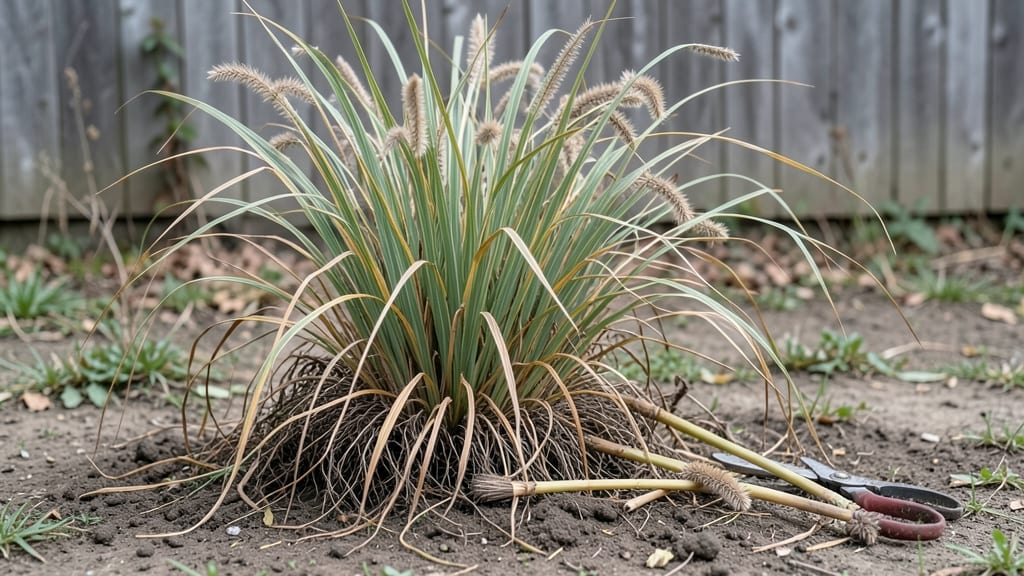
Cutting back grasses depends on type: perennial ornamental grasses should be trimmed in late winter or early spring before new growth begins, while cool-season grasses like fescue benefit from fall cleanup. Warm-season grasses like Bermuda require late winter pruning in mild climates. Always avoid cutting when frost is present or during active blooming periods.
Timing matters because grasses grow differently based on their natural cycles. Cool-season varieties like fescue thrive in milder weather, so trimming in fall removes dead growth before winter dormancy—this prevents smothering and encourages stronger spring regrowth.
Meanwhile, warm-season grasses like Bermuda enter dormancy later, so a late-winter haircut in frost-free zones gives them a head start for summer vigor. 🌱
Your local climate plays a bigger role than you might think. In colder regions, wait until temperatures consistently stay above 40°F before cutting, while Southern growers can trim as early as February when frost isn't a concern.
Always check for fresh green shoots—those mean new growth is starting, and you've missed the ideal window. Precision here prevents stressing your plants during their most vulnerable growth phases.
💡 In This Article
- Optimal Grass Cutting Timing by Type and Climate
- Preparing Grasses for Spring Growth: Step-by-Step Guide
Optimal grass cutting timing by type and climate
Grasses follow distinct biological cycles that determine when they should be pruned. Cool-season grasses like Kentucky bluegrass and tall fescue enter dormancy in late fall, making late summer or early autumn the perfect time to trim.
This timing removes dead growth before winter, allowing sunlight to reach the crown and preventing disease buildup in the thatch. Warm-season grasses such as Bermuda and Zoysia, however, store energy underground during winter, so cutting too early can damage their recovery.
Their ideal window is late winter, when temperatures hover around 50-55°F—just before active regrowth begins. 🌿
The science behind these timings lies in photosynthesis and carbohydrate storage. Cool-season grasses store energy in their roots and rhizomes, so cutting after they've replenished these reserves (typically in fall) minimizes stress. Warm-season grasses, meanwhile, rely on stored carbohydrates from the previous growing season to fuel spring growth.
Cutting them too early depletes these reserves, leading to weak regrowth. In USDA Zone 5 (northern climates), this means waiting until April when soil temperatures reach 55°F, while in Zone 9 (southern climates), late winter pruning in February works perfectly.
Frost sensitivity is critical—cutting when temperatures drop below 32°F can damage cell membranes, causing irreversible harm. ✨
Regional climate adjustments are key to success. In the Pacific Northwest, where winters are wet and mild, ornamental grasses like Miscanthus can be trimmed in early spring when rainfall decreases.
Meanwhile, in the Southeast, where frost is rare, warm-season grasses can be cut back as early as January to take advantage of the mild winter.
The rule of thumb is to wait until 50% of the grass shows fresh green growth—this indicates the plant is actively photosynthesizing and can handle pruning without stress. Always avoid cutting during flowering, as this removes seed heads needed for propagation and weakens the plant's energy reserves. 🌱
Here's what happens if you get the timing wrong: Cutting cool-season grasses in spring removes the protective layer of dead foliage, exposing tender new growth to cold snaps. Conversely, trimming warm-season grasses too early can leave them vulnerable to frost damage, as their regrowth mechanisms aren't yet active.
The ideal height for pruning varies by type—cool-season grasses should be cut back to 2-3 inches tall, while warm-season varieties benefit from a slightly taller cut of 3-4 inches to maintain root strength. This height difference reflects their natural growth habits and energy storage needs. 💫
Advanced gardeners often use the "third bud" rule for precise timing: Locate the lowest set of three buds on the grass stem and wait until the top bud is just starting to swell. This ensures you're cutting above a growth node but below the seed head, promoting dense regrowth.
In regions with unpredictable weather, like the Midwest, monitoring local frost dates through the National Weather Service can help refine your schedule. For example, in Chicago, the last frost typically occurs around April 15, making late March to early April the safest window for most grasses. 🌡️