
Fertilization
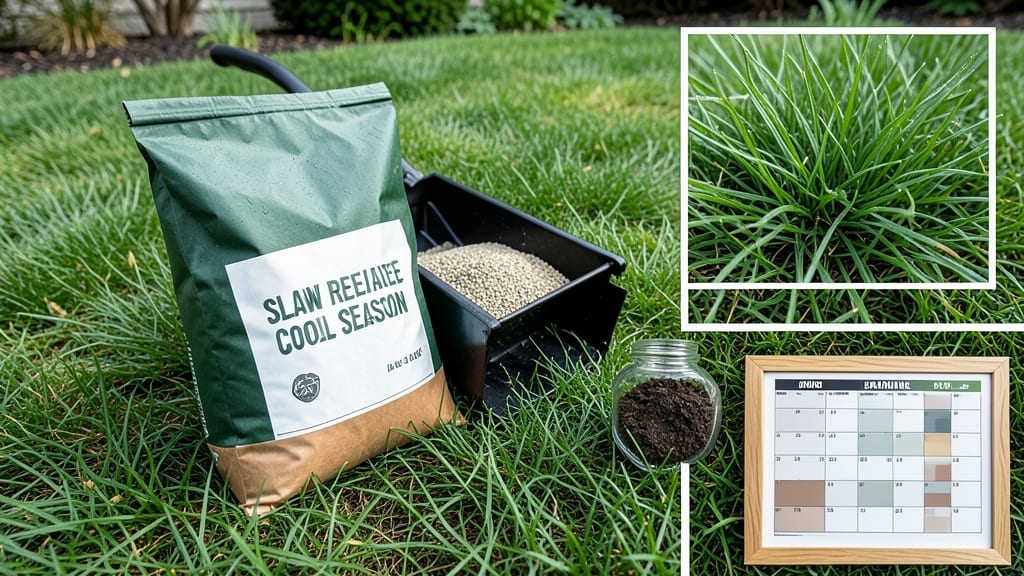
Fertilizing your Minnesota lawn at the right time ensures thick, vibrant grass that survives the state’s harsh winters and humid summers—so timing your feedings is the key to avoiding wasted money or stressed grass.
Picture this: you’ve just spent $50 on fertilizer, only to watch it wash away in the next rain or see your lawn turn brown instead of green. That’s why Minnesota’s USDA Zones 3b-5b demand a precise schedule, not a one-size-fits-all approach.
Most homeowners get it wrong, but with the right timing, you can skip the guesswork and grow a lawn that’s the envy of the neighborhood.
In this guide, I’ll walk you through the three best seasons to fertilize—spring, late summer, and fall—and how to adjust for Minnesota’s microclimates, whether you’re in the Twin Cities or up north. You’ll also learn how to read your lawn’s signals so you never over- or under-feed again.
By the end, you’ll have a clear, science-backed plan that keeps your lawn lush year-round, no matter what Minnesota throws at it. Let’s get started.

Minnesota’s 3 best fertilization seasons: science-backed timing
Minnesota’s USDA hardiness zones 3-5 create unique challenges for lawn care. The key to a lush, green lawn lies in understanding three optimal fertilization windows that align with your grass’s natural growth cycles.
Fertilizing at the wrong time—like during summer heat or winter dormancy—can waste money, stress your lawn, or even invite pests. Let’s break down the science-backed timing that works for Minnesota’s climate, including adjustments for clay-heavy soils common across the state.
Most Minnesota lawns thrive with three main fertilization periods: early spring, late spring, and fall. Each serves a distinct purpose—early spring kickstarts growth after winter, late spring supports rapid expansion, and fall strengthens roots for winter resilience.
Skipping any of these can leave your lawn thin, patchy, or vulnerable to weeds. The secret? Timing these feedings to match your grass’s active growth phases rather than a one-size-fits-all schedule.
Here’s the golden rule for Minnesota lawns: Never fertilize when grass is dormant (winter) or under stress (drought, extreme heat). Clay soils, which dominate much of the state, hold moisture and nutrients differently than sandy soils.
This means you’ll need to adjust application rates and watering practices to prevent runoff or nutrient lockout. Let’s dive into the three science-backed seasons and how to tailor them to your Minnesota yard.
| Season | Best Time | Purpose | Clay Soil Adjustment | Fertilizer Type |
|---|---|---|---|---|
| Early Spring | Late April (after last frost) | Stimulate new growth after winter dormancy | Reduce rate by 20% to avoid runoff | High-nitrogen (24-0-5) |
| Late Spring | Early June (peak growth) | Support rapid expansion and density | Increase watering post-application | Balanced (20-5-10) |
| Fall | Early September (6 weeks before first frost) | Strengthen root system for winter | Use slow-release fertilizer | Low-nitrogen (10-0-20) |
Let’s start with early spring fertilization, your lawn’s wake-up call. In Minnesota, this window opens after the last frost, typically in late April. The goal here is to jumpstart growth before weeds take over.
Use a high-nitrogen fertilizer (like 24-0-5) to encourage leafy green blades. For clay-heavy soils, reduce the application rate by 20% to prevent nutrient runoff. Water thoroughly after applying to help nutrients penetrate the dense soil.
Next comes late spring fertilization, usually in early June, when your lawn is in its fastest growth phase. This feeding supports density and color while outcompeting weeds. A balanced fertilizer (20-5-10) works well here, providing nitrogen for growth plus phosphorus and potassium for root development.
If your soil is clay-based, increase watering for 2-3 days post-application to ensure nutrients reach the roots rather than sitting on the surface.
Don’t overlook fall fertilization, which is critical for winter hardiness. Aim to fertilize in early September, about 6 weeks before the first frost. This timing allows your grass to build strong roots before dormancy.
Choose a low-nitrogen, high-potassium fertilizer (like 10-0-20) to encourage root growth without promoting late-season top growth. For clay soils, opt for a slow-release formula to prevent nutrient spikes that can harm grass in cooler temperatures.
One common mistake Minnesota homeowners make is fertilizing too late in fall, which can lead to weak, frost-sensitive growth. Another pitfall is skipping spring feedings because the weather is still chilly. Remember, grass needs nutrients even in cooler temperatures to break dormancy.
For clay soils, always conduct a soil test before fertilizing to avoid overdoing it. You can grab a DIY test kit from your local garden center for under $20.
Pro tip: Pair your fertilization schedule with proper mowing and watering. Mow at 3-4 inches in summer to retain moisture, and water deeply early in the morning to reduce evaporation.
In clay soils, aerate your lawn in early fall to improve drainage and nutrient absorption. This simple step can make your fertilizer applications 30% more effective.
By following this three-season schedule, you’ll give your Minnesota lawn the nutrient boosts it needs at the right times—without wasting money or harming the environment.
Whether you’re dealing with clay-heavy soil or a more typical loam, these adjustments ensure your grass gets the maximum benefit from every application. Happy fertilizing!
How to adjust your fertilization schedule for Minnesota’s microclimates
Minnesota’s diverse microclimates—from the humid heat of the Twin Cities to the cooler, drier air of northern regions—require tailored fertilization strategies. What works in Zone 4 Duluth may burn your Zone 5 St. Paul lawn.
Even within your yard, shady spots or drought-prone areas need different approaches to avoid over-fertilizing or starving grass.
New lawns also demand patience—rushing fertilization can stress young grass roots still establishing themselves. Meanwhile, established lawns in southern Minnesota might need extra summer feedings to combat heat stress. The key is adapting your NPK ratios and timing to match your specific conditions, not following a one-size-fits-all calendar.
⚠️ PROS-CONS BOX ⚠️
- Spring: Fertilize late April (after frost risk passes)
- Summer: Light feed in June-August for heat resilience
- Fall: Heavy feeding in September for root strength
- Overdoing summer nitrogen causes fungal risks
- Fall fertilization too late may delay dormancy
- Spring: Wait until mid-May (soil warms slower)
- Summer: Skip heavy feedings—drought stress is higher
- Fall: Fertilize by early September (earlier frost)
- Early spring fertilization risks washout from snowmelt
- Shade tolerance is lower—grass needs more nutrients
For shady lawns, reduce nitrogen by 25-30% and switch to a slow-release formula to prevent thatch buildup. In drought-prone areas like western Minnesota, water deeply before fertilizing to avoid burn damage. My rule of thumb? If your lawn looks blue-gray in summer, it’s thirsty—not hungry. Always test soil moisture first.
New lawns (0-2 years old) should get half the recommended dose of fertilizer, applied every 8-10 weeks instead of 6. Established lawns can handle full-strength feedings every 6-8 weeks, but split summer applications into two lighter doses to avoid heat shock.
Pro tip: Use a soil test kit ($15 at garden centers) to check pH—Minnesota’s clay soils often need lime adjustments.
Timing is critical: Never fertilize within 48 hours of frost (even light frost), as grass can’t process nutrients in cold soil. In the Twin Cities, this means no fall feeding after October 15. Northern Minnesota’s earlier frost dates (late September) shorten your window even more.
Always follow the "3-1-1 rule": 3 weeks before frost for fall, 1 week after spring thaw, and 1 inch of water post-application.
Mistakes to avoid? Fertilizing before mowing (wait 24-48 hours) or using quick-release nitrogen in summer (it burns grass). For organic options, try compost tea or fish emulsion in early spring—they feed soil microbes that break down nutrients gradually.
My go-to for established lawns? A 24-0-5 blend in spring and 10-0-20 in fall for root development.