
Fertilization
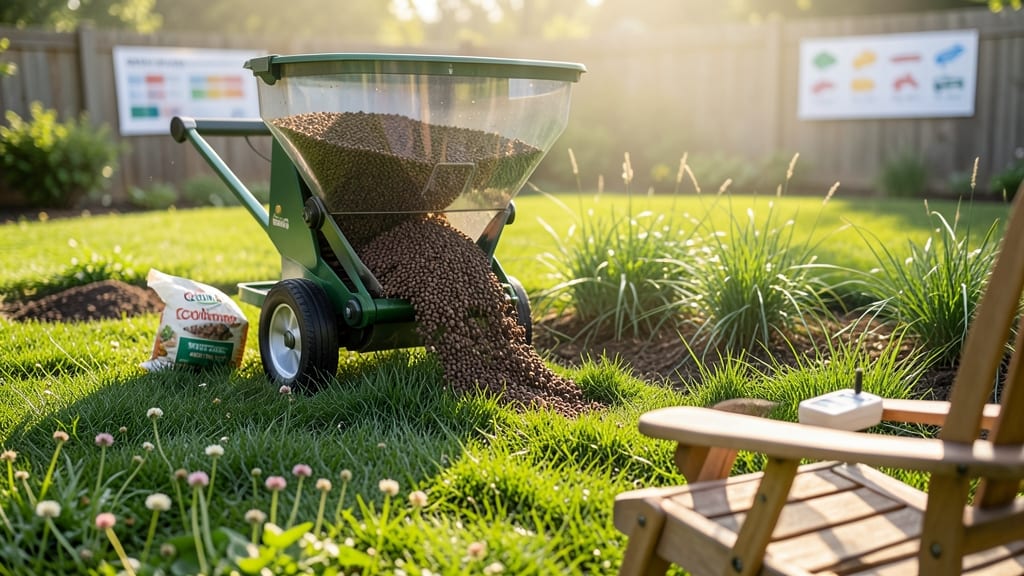
Fertilizing your lawn in Colorado at the right time can mean the difference between a lush green carpet and a struggling patch of brown 🌱—and the key window starts earlier than you might think.
Colorado’s high-altitude climate and dramatic seasonal shifts demand a precise lawn care strategy—especially when it comes to fertilization. Get it wrong, and your mountain turf could struggle with nutrient uptake or even burn under harsh UV exposure.
But timing it right? That’s the secret to a resilient lawn year after year.
Most homeowners wait until spring to feed their grass, but the best results actually come from a two-part schedule: an early spring application to kickstart growth and a late summer/fall boost to strengthen roots before winter. This approach helps Colorado lawns thrive despite our dry summers and cold snaps.
In this guide, I’ll break down the exact months to fertilize based on your region—whether you’re in Denver’s USDA Zone 5b or the Western Slope’s milder climate—plus how to adjust for drought, high-altitude stress, and the specific needs of Kentucky bluegrass or fescue.

Optimal Colorado lawn fertilization timeline: spring vs fall for mountain turf
Colorado’s unique microclimates and high-altitude conditions create challenges for lawn care that differ dramatically from lower elevations. Your Front Range lawn in Denver faces different soil temperature triggers than Western Slope yards in Grand Junction. The key to success?
Understanding when your grass is actively growing—and when it’s not. Cool-season grasses like Kentucky bluegrass and tall fescue dominate Colorado lawns, so timing your fertilizer applications to match their growth cycles is critical for avoiding waste and promoting resilience.
Most Colorado gardeners make two major fertilization mistakes: applying too early in spring (before soil warms) or feeding in late summer (when grass growth slows). Both approaches lead to nutrient runoff and stressed turf. Instead, focus on early spring for root development and early fall for winter hardening.
The USDA Plant Hardiness Zones (4-7 across Colorado) further refine these windows—higher elevations need adjustments of 2-3 weeks earlier than lower areas.
Here’s the science-backed breakdown of when to fertilize your Colorado lawn, including soil temperature triggers and elevation adjustments:
| Fertilization Window | Key Task | Soil Temp Trigger | Elevation Adjustment | Grass Response |
|---|---|---|---|---|
| Early Spring (March-April) | First high-nitrogen feed (24-0-5) | 50-55°F (10-13°C) | High elevation: 2 weeks earlier | Green-up and root growth |
| Late Spring (May) | Pre-emergent weed control + light feed | 60°F (16°C) minimum | Western Slope: 1 week later | Weed suppression and dense growth |
| Early Fall (September) | Fall root feeder (high potassium 10-0-20) | 60-65°F (16-18°C) | High elevation: 3 weeks earlier | Winter hardiness and deep roots |
| Late Fall (October) | No fertilization (grass dormant) | Below 50°F (10°C) | All regions: Stop by first frost | Prevents winter burn |
For Front Range lawns (Denver, Boulder, Fort Collins), aim to fertilize your first spring application by mid-April once soil temperatures consistently reach 50°F. This timing aligns with when cool-season grasses break dormancy and begin actively growing.
In Western Slope areas (Grand Junction, Durango), wait until late April due to later soil warming. Pro tip: Use a soil thermometer to track these temperatures—it’s more accurate than guessing by calendar dates.
Many Colorado gardeners overlook the importance of pre-emergent herbicides in late spring. Apply this between May and June when soil temperatures hit 60°F to prevent crabgrass and chickweed from germinating.
Pair this with a light nitrogen feed to encourage dense grass growth that naturally crowds out weeds. Organic options like corn gluten meal work well for those avoiding synthetic chemicals, though they require earlier application (March-April) for best results.
Avoid fertilizing during Colorado’s summer heatwaves (July-August), especially at elevations above 6,000 feet. High temperatures and UV exposure can cause fertilizer burn, turning your lawn yellow or brown. If you must feed in summer, opt for a slow-release fertilizer in early July and water deeply afterward.
Always apply in the early morning or evening to reduce stress on the grass blades. For drought-prone areas like the Western Slope, consider drought-resistant grasses like buffalo grass or fine fescue that require less frequent fertilization.
Fall fertilization is your chance to strengthen roots before winter. Apply a high-potassium fertilizer (like 10-0-20) in early September when soil temperatures remain above 60°F. This timing helps grass recover from summer stress and store nutrients for spring.
In high-elevation areas (above 7,000 feet), shift this window to late August to account for earlier frosts. Skip fertilization entirely after mid-October, as grass growth slows dramatically by then.
One of the biggest mistakes Colorado lawn owners make is ignoring soil tests. Before applying any fertilizer, test your soil’s pH and nutrient levels—most Colorado soils are naturally alkaline (pH 7.5-8.5), which can lock out essential nutrients like iron and manganese.
Adjust your fertilizer blend based on these results. For example, if your soil tests show high phosphorus, skip phosphorus-he
How Colorado’s microclimates affect your fertilizer schedule: Front Range vs Western Slope vs high Plains
Colorado’s diverse landscapes create unique fertilization challenges for lawns. The Front Range, Western Slope, and High Plains each have distinct USDA hardiness zones, moisture levels, and native grass types that demand tailored approaches.
Ignoring these differences can lead to nutrient waste, weak grass, or even lawn burn during Colorado’s intense summer sun.
Your first step is identifying your local hardiness zone. For example, Denver (Zone 5b) experiences earlier springs than Grand Junction (Zone 6b), while Fort Collins (Zone 4a) faces later frost dates.
These zones directly impact when you should apply spring green-up fertilizers and fall root-strengthening blends. Let’s break down each region’s specific needs.
| Region | Key Grass Types | Best Fertilization Window | Adjustments Needed |
|---|---|---|---|
| Front Range (Denver, Boulder) | Kansas Bluegrass, Tall Fescue | Early April - Mid-May (spring), Early Sept (fall) | Higher potassium in fall; avoid late summer feeding |
| Western Slope (Grand Junction, Aspen) | Buffalo Grass, Fine Fescue | Mid-April - Late May (spring), Late Aug (fall) | Light spring feeding; drought-resistant blends |
| High Plains (Fort Collins, Pueblo) | Tall Fescue, Kentucky Bluegrass | Late April - Early June (spring), Early Sept (fall) | Slow-release nitrogen; higher phosphorus for establishment |
The Front Range typically sees its last frost between mid-April and early May, making early April the ideal time to apply your first high-nitrogen fertilizer (24-0-5 ratio). This timing aligns with when Kansas bluegrass and tall fescue begin their active growth phase.
However, if you’re in Zone 5a or colder, wait until soil temperatures consistently reach 50°F before fertilizing to prevent nutrient leaching.
On the Western Slope, where summers are hotter and drier, focus on light feeding in spring (March-April) and avoid fertilizing after mid-August. Buffalo grass thrives with minimal nitrogen, so opt for a low-N blend (12-0-12) to prevent stress.
The region’s lower humidity means fertilizers dry faster, so apply in the early morning and water immediately afterward.
For the High Plains, where wind and cold snaps are common, prioritize fall fertilization (early September) with a higher potassium blend (e.g., 10-10-20) to strengthen roots before winter. In spring, use slow-release nitrogen to match the gradual soil warming in areas like Fort Collins (Zone 4a).
Always test your soil first—High Plains turf often needs additional phosphorus for establishment.
Regardless of region, always water deeply after fertilizing to activate nutrients. Colorado’s UV intensity can burn grass if fertilizer granules remain on blades, so mow high (3-4 inches) before applying.
Adjust your schedule annually by checking your local frost dates and USDA zone map—your lawn’s health depends on it! 🌱