
Lawn
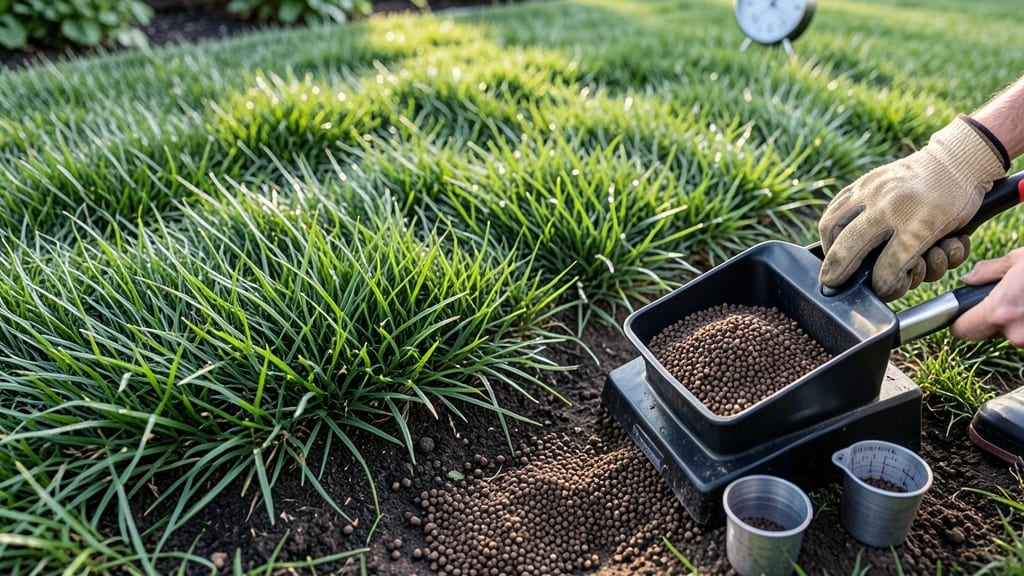
The best time of day to fertilize your lawn is early morning, when cooler temperatures and higher humidity ensure nutrients soak in efficiently.
Struggling to get the most out of your lawn fertilizer? Timing isn’t just about when you apply it—it’s about when you apply it in the day. Discover the science-backed window that ensures your grass absorbs nutrients efficiently while avoiding waste.
Most gardeners assume any time of day works, but afternoon heat causes fertilizer to burn grass blades, while evening applications leave nutrients vulnerable to evaporation. Early morning application—between 5 AM and 9 AM—gives your lawn the best chance to absorb nutrients before the sun peaks.
In this guide, I’ll break down why cooler temperatures matter, how to check weather conditions before applying, and the simple steps to fertilize at the optimal time for a healthier, greener lawn all season long.

Why early morning fertilization maximizes nutrient absorption in lawns
If you've ever wondered why your lawn looks greener after your neighbor fertilizes theirs, the answer might lie in the timing of their application. Grass isn't just absorbing nutrients when you spread fertilizer—it's doing so most efficiently during specific temperature windows and humidity levels.
Early morning fertilization isn't just a gardening myth; it's rooted in plant physiology and environmental science that maximizes nutrient uptake while minimizing waste.
When you fertilize your lawn in the cool hours before 10 AM, you're working with nature's ideal conditions. The dew still clings to grass blades, providing natural moisture that helps dissolve fertilizer granules.
This moisture layer also creates a protective barrier against rapid evaporation, allowing nutrients to reach the root zone more effectively. Without this morning dew, up to 30% of fertilizer can be lost to evaporation within hours.
Let's break down why this matters. Grass roots are most active when soil temperatures are between 60°F and 75°F—a range typically found in early morning hours. During this window, roots absorb nutrients 2-3 times faster than they would in the afternoon heat.
The lower temperatures also reduce the risk of fertilizer burn, where concentrated salts can damage grass blades when applied under hot sun.
Humidity plays a crucial role too. Early mornings often feature higher relative humidity (typically 70-90%) compared to midday (often below 50%). This moisture-rich air helps slow the breakdown of fertilizer, preventing nutrients from washing away before roots can absorb them.
In contrast, applying fertilizer in the afternoon can lead to up to 50% nutrient loss due to rapid evaporation and heat stress on the grass.
Here's the science: Fertilizer granules need to dissolve and penetrate the soil to reach roots. In the morning, the soil surface remains cooler and more moist, creating perfect conditions for this process.
The grass blades also remain turgid (firm) from overnight hydration, allowing them to better absorb foliar-applied nutrients through their leaves.
The comparison above shows why early morning stands out. When you fertilize during this window, you're not just applying nutrients—you're creating conditions where your lawn can actively absorb them. The cooler temperatures reduce stress on grass roots, while the higher humidity keeps nutrients available longer.
This is particularly important for slow-release fertilizers, which rely on gradual breakdown to provide nutrients over weeks.
Many gardeners make the mistake of fertilizing in the evening, thinking the cooler temperatures would be ideal. While evening does offer lower temps, it comes with higher dew points that can create fungal conditions on grass blades.
The moisture lingers longer, increasing the risk of disease pressure like brown patch or dollar spot. Early morning gives you the best of both worlds: cool temps without the fungal risks of evening applications.
Another critical factor is wind patterns. Early mornings typically have less wind than afternoons, which means fertilizer granules stay where you put them rather than blowing across your lawn. This targeted application ensures even distribution and prevents nutrient loss to adjacent areas.
In windy conditions, up to 25% of fertilizer can be lost to drift, reducing its effectiveness by nearly a quarter.
To make the most of early morning fertilization, pair it with a light watering immediately after application. This helps activate the fertilizer and washes it into the soil where roots can access it. Just be careful not to overwater—you want to
Step-by-step guide: how to fertilize your lawn at the optimal time
Fertilizing your lawn at the right time of day makes all the difference between lush green grass and wasted nutrients. The optimal window is early morning, between 5 AM and 9 AM, when temperatures are cool and dew is still present.
This timing ensures your lawn absorbs nutrients efficiently without burning or runoff. Let’s break down the exact steps to get it right every time.
Before you begin, check the weather forecast for the next 24 hours. Avoid fertilizing if rain is predicted within 48 hours—this can cause runoff and nutrient loss. If humidity is high, opt for a slow-release fertilizer to prevent clumping or uneven distribution.
Clear any debris from your lawn first to ensure even coverage and maximum absorption.
Step-by-Step Guide to Early Morning Fertilization
-
Step 1: Choose the Right Morning
Select a cool, dry morning with temperatures between 50°F and 75°F. Avoid days with high winds, as they can scatter fertilizer unevenly. -
Step 2: Calibrate Your Spreaders
Set your broadcast or drop spreader to the manufacturer’s recommended setting for your fertilizer type. Walk a few test rows to ensure even distribution. -
Step 3: Apply Fertilizer in Two Directions
Spread half the fertilizer lengthwise, then turn and apply the second half crosswise for uniform coverage. Overlap edges slightly to avoid missed spots. -
Step 4: Water Lightly After Application
Use a light sprinkle (about ¼ inch) to activate the fertilizer without causing runoff. Avoid deep watering for at least 24 hours. -
Step 5: Monitor for 48 Hours
Keep an eye on your lawn for signs of burning or stress. If leaves yellow or crisp, you may have over-applied. Adjust future rates accordingly.
After fertilizing, resist the urge to mow immediately. Wait at least 2-3 days to allow the nutrients to penetrate the soil and roots. If you notice white residue on blades, it’s likely excess fertilizer—rinse lightly with water to prevent buildup.
For best results, repeat this process every 6-8 weeks during the growing season.
Pro tip: Pair your fertilization schedule with regular mowing (never cutting more than ⅓ of the blade at a time) to encourage deeper root growth. This combo ensures your lawn stays thick, green, and resilient all season long.
By following these steps, you’ll maximize nutrient uptake, minimize waste, and give your lawn the health boost it deserves—without the guesswork. Happy gardening!