
Fertilization
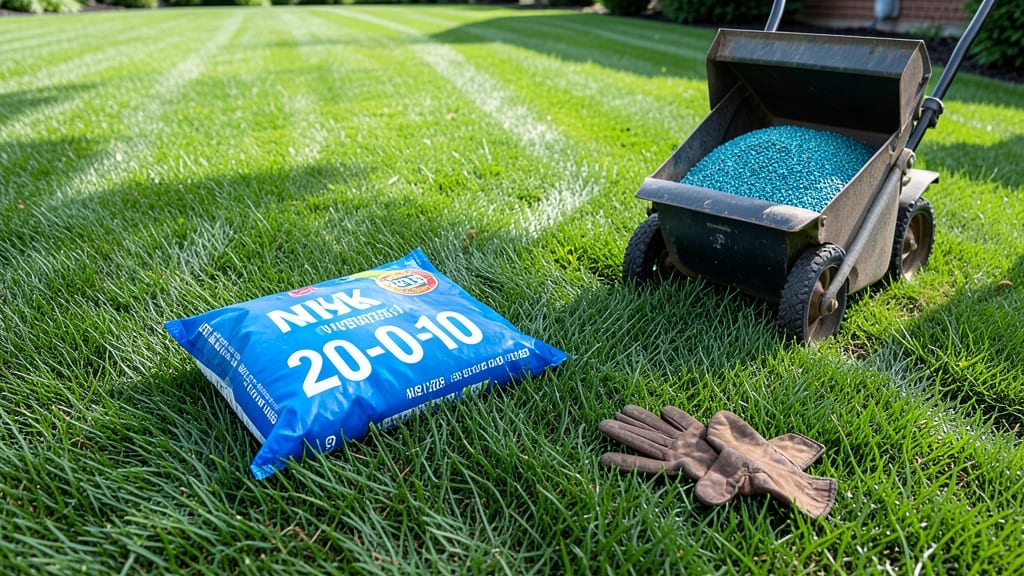
A 20-0-10 lawn fertilizer provides a nitrogen-heavy blend (20%) to boost vibrant green growth, while omitting phosphorus (0%) and using minimal potassium (10%), perfect for established lawns focused on color rather than root strength or disease protection.
A 20-0-10 fertilizer is all about that nitrogen kick—the first number in the NPK ratio—that fuels chlorophyll production and gives your lawn that lush, envy-worthy green. 🌱 The zero phosphorus means it’s not designed to stimulate new root growth or help struggling grass recover, so it’s best for healthy lawns that just need a color boost.
The low potassium (10%) supports basic cellular function but won’t overdo it, making this a balanced choice for seasonal maintenance rather than heavy-duty lawn repair.
This ratio works best when applied in early spring or late summer, avoiding extreme heat or cold. Think of it as a quick refresh—like a vitamin shot for your grass—rather than a long-term nutritional plan.
Just be careful not to overdo it, as too much nitrogen can lead to thatch buildup or even burn your lawn if conditions aren’t right.
💡 In This Article
- How the 20-0-10 NPK Ratio Affects Lawn Growth
- Best Times to Apply 20-0-10 Fertilizer for Maximum Results
How the 20-0-10 NPK ratio affects lawn growth
The 20-0-10 ratio is a strategic balance designed to prioritize visual appeal over structural health. Nitrogen—represented by that bold 20%—is the star player here, directly fueling chlorophyll production. When nitrogen levels rise in grass blades, photosynthesis ramps up, leading to thicker, darker green blades that can outcompete weeds.
This is why you'll see dramatic color improvement within 7-14 days after application, especially in cool-season grasses like Kentucky bluegrass or fescue that naturally thrive with nitrogen boosts.
Phosphorus gets the cold shoulder with that 0% mark because mature lawns typically have sufficient phosphorus reserves in the soil. Phosphorus primarily aids root development in young plants or stressed turf, but established lawns—those already well-rooted—don't need this extra push.
The minimal 10% potassium supports basic cellular functions like water regulation and disease resistance, but it's not the focus. Think of potassium here as the supporting actor rather than the lead, ensuring the grass can handle minor stress without going into shock. 🌱
What makes this ratio particularly effective is how it aligns with grass growth cycles. During active growing seasons (spring and fall), grass devours nitrogen to produce new leaves, while potassium helps maintain membrane integrity.
The absence of phosphorus prevents nutrient imbalances that could lead to thatch buildup—a common issue with high-nitrogen fertilizers. For example, a 1-pound application of 20-0-10 delivers 0.2 pounds of nitrogen, 0 pounds of phosphorus, and 0.1 pounds of potassium, creating a targeted nutrient profile that avoids overfeeding.
The real magic happens in the soil chemistry. Nitrogen in this formulation is often slow-release, meaning it feeds your lawn gradually over 6-8 weeks rather than all at once.
This prevents the "fertilizer burn" that occurs when too much nitrogen hits the soil surface at once, creating a harsh salt environment that can scorch grass blades.
The potassium component helps moderate this effect by improving the grass's ability to tolerate minor salt stress, making the fertilizer safer for frequent use.
Seasonal performance varies dramatically with this ratio. In spring, the high nitrogen jumpstarts recovery from winter dormancy, while in late summer, it helps grass prepare for fall's growth surge.
However, applying it during summer heatwaves (above 85°F) can stress the grass, as high temperatures accelerate nitrogen conversion to less available forms. The potassium's role becomes especially critical during these periods, helping maintain turf resilience against heat and drought.
For comparison, a 10-10-10 fertilizer would provide more balanced nutrition but at a higher cost and with greater risk of over-fertilization. The 20-0-10 approach is essentially a "color enhancement" strategy—ideal for lawns that already have good root systems but need that showpiece green for aesthetic purposes. 💚
What most homeowners don't realize is that this ratio works best when paired with proper soil testing. If your soil already has high phosphorus levels (common in many suburban areas), the 0% phosphorus could actually create a deficiency over time.
Always check your soil's pH and nutrient levels before committing to a 20-0-10 regimen, as this fertilizer assumes your lawn has adequate phosphorus reserves.