
Fertilization
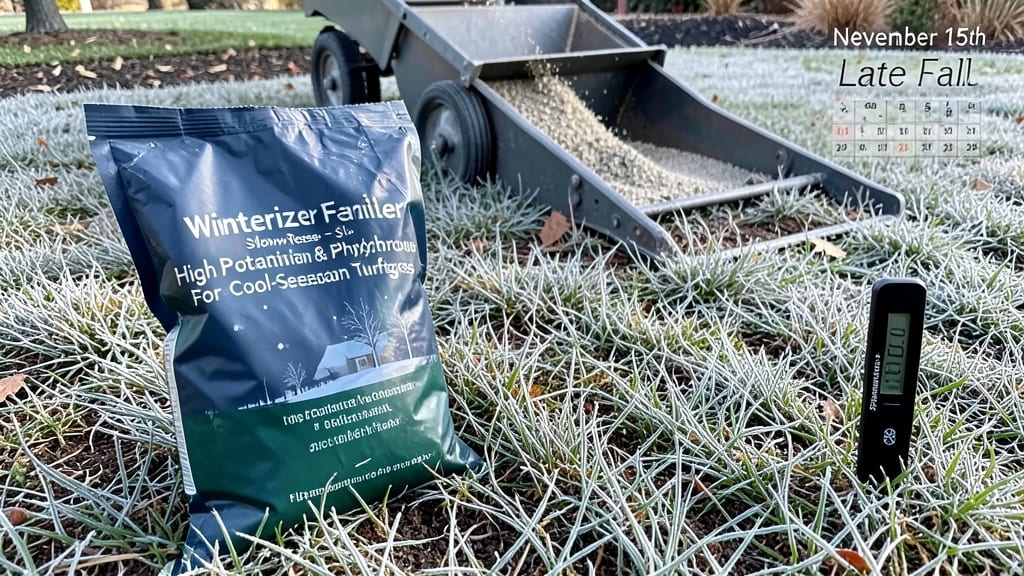
Fertilizing your lawn when it’s too cold can actually stress the roots and wash away nutrients before the grass can use them—so timing matters more than you think.
Picture this: you’ve just spread fresh fertilizer, only for a late frost to hit, leaving your yard looking worse than before. That’s why knowing the exact soil temperature thresholds is the key to avoiding wasted money and damaged grass.
For most lawns in USDA Zone 6a and similar climates, fertilizing below 55°F (13°C) risks burning tender roots or causing runoff. But regional differences mean northern lawns need even warmer soil before feeding.
In this guide, I’ll break down the ideal soil temps by season, how to tell if your lawn is ready, and what to do instead when winter’s chill sets in.

Soil temperature thresholds for safe lawn fertilization by season
Fertilizing your lawn at the wrong time can cause more harm than good—especially when temperatures drop. Cold soil slows nutrient absorption, leading to root burn or wasted fertilizer. Understanding the soil temperature thresholds by season ensures your lawn gets the right nutrients when it can actually use them.
Most lawn grasses enter dormancy when soil temps fall below 50°F (10°C). This is your first warning sign that fertilization should stop. Cool-season grasses like fescue and ryegrass can handle slightly cooler temps, but even they struggle below 45°F (7°C).
Warm-season grasses like Bermuda or Zoysia shut down completely below 60°F (16°C).
Here’s the critical temperature breakdown for safe fertilization by season, including regional adjustments for northern vs. southern climates:
Cold soil temperatures disrupt the nitrogen cycle, causing fertilizers to leach into groundwater instead of nourishing roots. For example, applying high-nitrogen fertilizer when soil is below 50°F (10°C) can burn grass blades and stress roots, making your lawn more vulnerable to disease and pests.
In northern climates (USDA Zones 3–5), aim to fertilize in late April or May when soil temps consistently stay above 55°F (13°C). Southern climates (Zones 7–10) can start earlier, around March 15–April 1, but avoid fertilizing when nighttime temps drop below 60°F (16°C).
If you’re unsure about soil temps, use a soil thermometer to check 2–3 inches deep, where roots absorb nutrients. Early morning readings are most accurate, as daytime sun can artificially warm the surface. Pro tip: Water the soil 24 hours before testing for a more realistic reading.
For cool-season grasses, a light fall application (6–8 weeks before frost) helps roots harden off for winter. But if temps dip below 45°F (7°C), even this becomes risky. Warm-season grasses should get their last feeding by late summer to avoid encouraging late-season growth that won’t survive winter.
Regional microclimates matter too. Lawns in valleys or low-lying areas stay colder longer than those on south-facing slopes. If your lawn shows signs of slow growth or yellowing despite warm days, it’s likely a soil temperature issue, not a nutrient deficiency.
Always pair fertilization with proper watering—apply ½ inch of water within 24 hours to help nutrients penetrate the soil. In cold weather, this also prevents fertilizer from sitting on the surface, where it can burn grass blades.
Signs your lawn is too cold for fertilizer (and what to do instead)
Cold weather can trick your lawn into looking like it needs extra nutrients, but fertilizing too early in the season often does more harm than good. When soil temperatures drop below 50°F (10°C), grass roots become dormant, making them unable to absorb nutrients effectively.
This can lead to wasted fertilizer and even nutrient burn, where excess salts damage delicate root systems.
Even if your lawn looks patchy or yellow in early spring, those signs often indicate dormancy rather than a nutrient deficiency. Grass naturally slows growth during cold snaps, and forcing fertilization can stress the plant further.
Instead of reaching for that bag of fertilizer, focus on preparing your lawn for the growing season ahead.
⚠️ Warning: Fertilizing Below 50°F (10°C)
- Root damage from nutrient burn
- Wasted fertilizer (runs off instead of absorbing)
- Delayed growth as grass struggles to process nutrients
Solution: Wait until soil warms to 55°F (13°C) for cool-season grasses or 60°F (16°C) for warm-season types.
One of the most obvious signs your lawn is too cold for fertilizer is frost damage on grass blades. If you see crispy, brown patches that feel brittle to the touch, your lawn is still recovering from winter.
Another red flag is slow growth despite warm daytime temperatures—this happens when soil stays cool at deeper levels where roots thrive.
Instead of fertilizing, focus on soil amendments like compost or organic matter to improve structure and moisture retention. A light application of winter mulch (like straw) can also protect roots from extreme temperature fluctuations. These steps prepare your lawn for spring without risking damage from premature fertilization.
For lawns in northern climates (USDA Zones 3-5), wait until late April or early May to fertilize, when soil temperatures consistently stay above 55°F (13°C).
In milder southern regions (Zones 7-9), you can start as early as March, but always test soil temperature with a soil thermometer before applying fertilizer.
If your lawn shows signs of thinning or weed invasion in early spring, consider overseeding instead of fertilizing. Spread new grass seed over your existing lawn in late fall or early spring when temperatures are ideal for germination. This builds density naturally without relying on artificial nutrients.