
Lawn
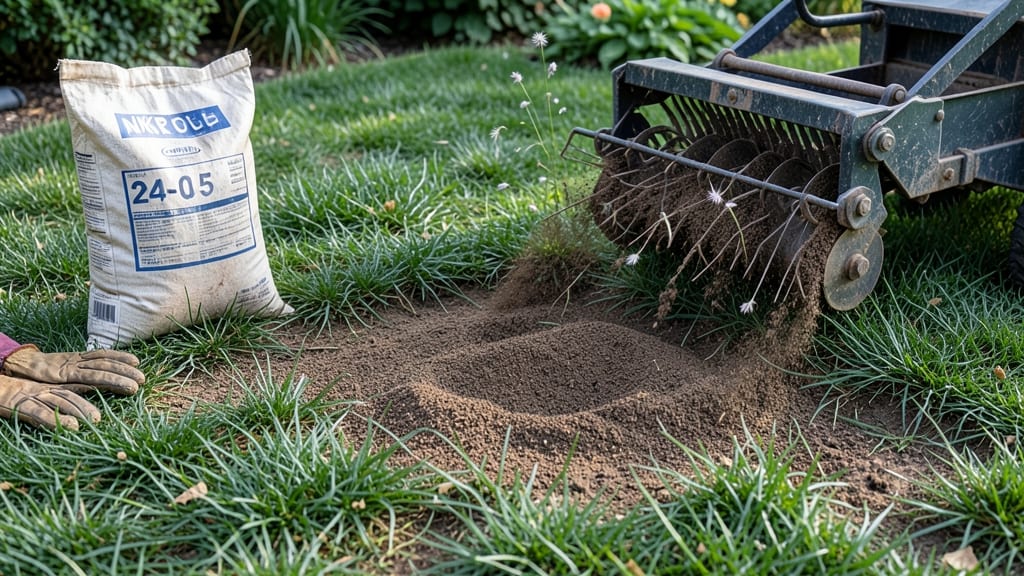
You fertilize your lawn when soil temperatures hit 50°F to 65°F in spring or 75°F to 85°F in summer—timing that makes all the difference between a vibrant yard and one that fights to stay alive.
Most homeowners guess when to fertilize, but missing the soil temperature trigger can leave grass weak, yellow, or even burned. That’s why knowing the exact window—especially for cool-season vs. warm-season grasses—is the key to perfect results.
In this guide, I’ll break down the best months for your 🌱 Lawn Grass in Zone 6a, how to test soil temperature, and what to watch for if you fertilize too early or late.
You’ll learn how often to feed your lawn, which fertilizers work best, and how to adjust for drought, frost, or missed windows—so you can keep your grass thriving all season long.

Optimal soil temperature ranges for fertilizing your lawn
Getting your lawn fertilization timing right starts with understanding soil temperature. Unlike air temperature, soil temperature determines when grass roots can actively absorb nutrients. If you fertilize when soil is too cold or too hot, your grass won't use the nutrients efficiently—and you might even damage it.
The key is waiting for the perfect temperature window, which varies dramatically between cool-season and warm-season grasses.
For cool-season grasses like Kentucky bluegrass and fescue, the ideal soil temperature range for fertilization is 50°F to 65°F. This typically aligns with early spring (March-April) and early fall (August-September) in most U.S. regions.
Warm-season grasses, including Bermuda and Zoysia, thrive when soil temperatures reach 75°F to 85°F, usually in late spring through summer. Missing these windows means wasted fertilizer—or worse, grass burn.
Many homeowners make the mistake of fertilizing based on air temperature alone. A 70°F day might feel perfect, but if the soil is still chilly from winter, your grass won't respond well. That's why testing your soil temperature is a game-changer.
A simple soil thermometer (just $10 at garden centers) inserted 4 inches deep gives you the real data you need to time your fertilization perfectly.
Regional adjustments are crucial too. In northern climates like the Pacific Northwest or New England, soil warms slowly, so you might need to wait until May for warm-season grasses.
Conversely, in southern states like Texas or Florida, warm-season grasses can start absorbing nutrients as early as February. Always check local frost dates and adjust your schedule accordingly.
Testing soil temperature is simpler than you think. Use a soil thermometer (available at garden centers for under $15) and insert it 4 inches deep—this is where grass roots actively grow. Take readings in the morning for cool-season grasses and in the afternoon for warm-season varieties.
If your soil is below the ideal range, wait a few days and retest. Patience here prevents wasted fertilizer and potential grass burn.
One common misconception is that you can fertilize anytime if you use a "slow-release" product. While slow-release fertilizers reduce burn risk, they still require the right soil temperature for optimal uptake. Cold soil slows microbial activity, meaning nutrients sit unused in the soil.
Conversely, hot soil (above 85°F) can cause nutrient volatility, leading to runoff or even toxic buildup.
If you're in a transitional climate—like the Midwest where winters are cold but summers are hot—you might need to fertilize twice: once in early spring for cool-season grasses and again in late spring for warm-season varieties.
For example, Kentucky bluegrass benefits from a spring feeding in April, while Bermuda grass responds better to a late May application. Always match your fertilization schedule to your specific grass type and local climate patterns.
Pro tip: Keep a fertilization journal for at least two years to track soil temperatures, weather patterns, and grass responses. Note when you applied fertilizer, the soil temperature at the time, and how your lawn reacted.
Over time, you'll develop a personalized schedule that beats generic guidelines. This data-driven approach ensures you're not guessing—you're optimizing for your unique yard conditions.
Remember, the goal isn't just to fertilize—it's to feed your lawn at the right time so nutrients are absorbed efficiently. When done correctly, you'll see thicker, greener grass with fewer weeds and less stress. Skip the guesswork, test your soil temperature, and fertilize with confidence.
Best fertilization schedule by grass type and climate Zone
Fertilizing your lawn at the right time depends on whether you have cool-season or warm-season grass. Cool-season grasses like Kentucky bluegrass and fescue thrive in spring and fall, while warm-season types like Bermuda and Zoysia peak in summer.
Your climate zone also shifts these windows—northern regions fertilize earlier than southern ones. Missing these timings can leave your lawn weak or prone to pests.
For cool-season grasses, the early spring (March-April) and early fall (August-September) are critical. Warm-season grasses, however, need feeding in late spring (May-June) and summer (July-August).
Drought or frost can delay or advance these schedules. For example, a late frost in spring might push back your first feeding by 2-3 weeks.
| Grass Type | Best Fertilization Time | Climate Adjustments | Fertilizer Type |
|---|---|---|---|
| Cool-Season (Kentucky Bluegrass, Fescue) | Early Spring (March-April), Early Fall (August-September) | Northern zones: Start 2 weeks earlier; Southern zones: Delay by 1-2 weeks | Slow-release, high nitrogen (16-4-8) |
| Warm-Season (Bermuda, Zoysia) | Late Spring (May-June), Summer (July-August) | Drought-prone areas: Avoid summer feeding; Irrigated areas: Feed in July | Balanced, slow-release (10-10-10) |
| Transition Zones (Mix of Both) | Early Spring (March) + Late Summer (August) | Monitor soil temp; Fertilize when soil hits 60°F | Starter fertilizer (20-5-10) |
In early spring, fertilize cool-season grasses as soon as soil temperatures reach 50°F-55°F. This jumpstarts growth after winter dormancy. Use a high-nitrogen fertilizer (like 24-0-6) to encourage leafy top growth. For warm-season grasses, wait until soil hits 75°F-80°F—typically May—to avoid shocking roots with early warmth.
Summer feeding requires caution. Warm-season grasses can handle a light feeding in July if drought isn’t an issue, but avoid overdoing it—too much nitrogen stresses grass in 90°F+ heat. Cool-season grasses should skip summer entirely and focus on a late summer (August) feeding to prep for winter.
Always water deeply after fertilizing to prevent burn.
Frost and drought are your biggest wildcards. A late frost in spring can delay fertilization by 2-4 weeks—wait until grass greens up fully. During drought conditions, skip summer feedings entirely for warm-season grasses; their roots need water, not extra nitrogen.
In fall, a final light feeding in late August helps cool-season grasses store nutrients for winter.
Pro tip: Use a soil thermometer to track temperatures. Most cool-season grasses need soil at 50°F+ to fertilize, while warm-season types prefer 75°F+. Adjust your schedule based on your local last frost date—check the USDA Plant Hardiness Zone Map for guidance.
With the right timing, your lawn will stay vibrant and resilient all season long. 🌱