
Plants
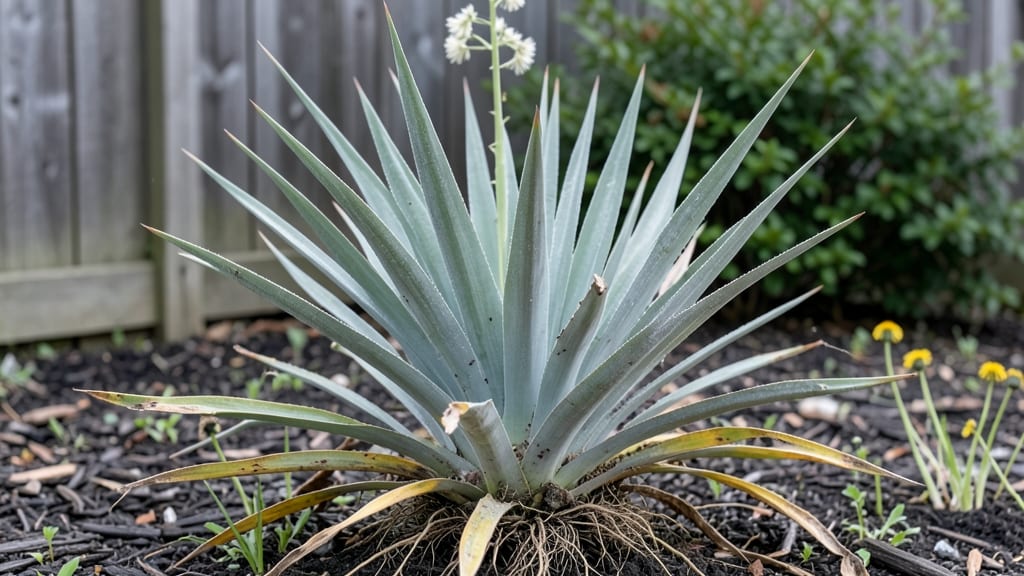
Bear grass is a perennial plant native to North America, prized for its edible young shoots and seeds, often used in traditional Indigenous cuisine and modern foraging. Its long, strappy leaves resemble those of ornamental grass but belong to the lily family, Nolina or Xerophyllum, thriving in dry, rocky soils. Harvest shoots in spring before flowering for optimal tenderness and flavor, similar to asparagus or wild onion greens.
This plant might look like grass at first glance, but its edible shoots pack a nutritional punch similar to wild asparagus. 🌱 Many foragers appreciate its versatility—young shoots can be eaten raw in salads (after thorough cleaning) or cooked like any green vegetable, while the seeds were traditionally ground into flour by Indigenous communities.
The key to enjoying it lies in timing: harvest before the plant flowers, when the shoots are most tender and flavorful.
What sets bear grass apart is its resilience—it thrives in harsh conditions where other plants struggle, making it a reliable food source in arid regions.
However, caution is critical: misidentifying it with toxic look-alikes like death camas can have serious consequences, so always cross-reference with reliable field guides or local experts before harvesting.
💡 In This Article
- Bear Grass Identification and Plant Characteristics
- Foraging and Culinary Uses of Bear Grass
Bear grass identification and plant characteristics
The two primary genera of bear grass—Nolina and Xerophyllum—share similar grass-like foliage but differ in critical botanical details. Nolina species, like Nolina microcarpa, form tight basal rosettes with rigid, sword-shaped leaves that can reach 3-4 feet long.
These leaves often have a blue-green hue and grow in dense clusters, creating a striking visual contrast against rocky terrain. In contrast, Xerophyllum varieties, such as Xerophyllum tenax, produce slightly softer, straighter leaves that grow more upright and can reach up to 5 feet in height.
The key to identifying these plants lies in their flowering structures and seed clusters. Both genera produce tall, leafless flower stalks that emerge in late spring to early summer, reaching heights of 3-6 feet. Nolina flowers typically form dense, cylindrical clusters, while Xerophyllum displays more open, branching seed heads.
After flowering, the seed clusters dry into woody, papery structures that resemble tiny pinecones—this is a telltale sign that distinguishes bear grass from toxic mimics like death camas, which produces a bulbous, underground corm rather than aerial seed heads. 🌿
Bear grass thrives in dry, rocky soils across North America, from the Pacific Northwest to the Great Plains. You'll often find it growing in open meadows, forest edges, and sunny slopes, where it can withstand drought conditions through its deep root system.
The plant's resilience is tied to its C4 photosynthetic pathway, which allows it to fix carbon efficiently even under hot, dry conditions—a trait shared with many desert-adapted species. This adaptation explains why bear grass remains green and productive long after surrounding vegetation has withered.
One of the most critical identification markers is the plant's growth pattern. Bear grass forms a basal rosette of leaves that radiates outward from a central point, creating a fan-like appearance. The leaves themselves are hollow and fibrous, with a slightly waxy coating that helps reduce water loss.
When crushed, they release a faint, onion-like aroma—a sensory cue that differentiates them from grass species, which typically have no distinctive scent. This aromatic quality is more pronounced in Nolina species and fades as the plant matures.
Seasonal changes provide additional clues for identification. In early spring, bear grass shoots emerge as tender, bright green spears that can be up to 12 inches long. These shoots harden and turn yellowish-green by late summer, signaling that they're past their prime for culinary use.
The plant's flowering period (typically June to August) marks the end of the harvest window, as the shoots become fibrous and less palatable. Understanding these seasonal shifts is essential for foragers to time their harvest correctly and avoid bitter, overmature shoots.
To avoid misidentification with toxic look-alikes, focus on these three key differences: 1) Bear grass has no bulb or corm underground (unlike death camas), 2) Its leaves grow in a basal rosette rather than scattered clumps, and 3) The plant produces aerial seed clusters rather than underground tubers.
Always cross-reference with local field guides or experienced foragers, as regional variations in appearance can occur. 🔍
Here's a quick comparison to help solidify these distinctions:
- Leaf Structure: Bear grass leaves are hollow, sword-shaped, and aromatic when crushed; grass leaves are solid and scentless.
- Growth Pattern: Bear grass forms a dense basal rosette; ornamental grasses spread in loose clumps.
- Flowering: Bear grass produces tall, leafless stalks with seed clusters; toxic mimics like death camas have no aerial flowers.
- Habitat: Bear grass prefers dry, rocky soils; many toxic plants favor moist, shaded areas.